Where Cleanup Walks Happen
Cleanup walks in Cox's Bāzār typically start early, around 6:30–7:30am, before the heat and crowds. The most active stretch is Laboni Point to Sugandha Beach, where local groups and volunteers gather near the Burmese Market end. Another regular route runs from Kolatoli Circle to the Himchari road turnoff—a 2–3 km walk that covers the busiest tourist belt. During peak season (November–February), walks run most weekends; off-season, they're less frequent, often limited to Saturday mornings organised via community Facebook groups.
If you're staying in Kolatoli or Sugandha, you're within a 5–10 minute walk of a starting point. From Laboni, the main cleanup meeting spot is the open area beside the lifeguard tower. In Himchari, walks are rarer but do happen around the Himchari fountain area, usually paired with a nature walk. The Bangladesh Tourism Board office on Kalatali Road sometimes posts schedules, but the most reliable source is asking your hotel front desk—many coordinate with local volunteers.
How to Join a Cleanup Walk
You don't need to pre-register for most public walks—just show up at the stated time. Organisers provide gloves, sacks, and sometimes pickers; wear closed shoes (the sand is littered with shells and scraps) and bring water. Groups are typically 10–30 people, a mix of locals and visitors. It's free, though some organisers accept voluntary donations for supplies. If you want to join a private or hotel-organised walk, ask your accommodation—places like Hotel Sea Palace and Sayeman Beach Resort have supported community cleanups in the past, but confirm directly.
For a more structured experience, contact the Cox's Bāzār office of the Department of Environment (DoE) or local NGO Biddyanondo Foundation, which has led cleanups in the past. They can tell you about upcoming drives and whether visitors can participate. Also check the 'Cox's Bāzār Beach Cleanup' Facebook group—it's the informal hub for schedules and last-minute changes. If you're visiting during monsoon (June–September), walks are often cancelled due to rough seas; the best months are November through March, when the weather is dry and the beach is at its busiest.
What to Expect on the Walk
A typical cleanup lasts 1.5–2 hours, covering 1–2 km of beach. You'll collect mostly plastic bottles, food wrappers, and fishing debris; heavier items like ropes are left for municipal crews. The pace is leisurely, with stops for photos and sorting. It's not a race—organisers emphasise safety and awareness over volume. You'll likely finish with a group photo and a brief talk on waste management. Participants are encouraged to bring their own reusable gloves and bags to reduce plastic use, but supplies are available.
The walk is family-friendly, but keep children close near the water—waves can be strong. There's no formal dress code, but avoid flip-flops; sandals with straps or old trainers are better. Sun protection is essential: hat, sunscreen, and sunglasses. If you're pregnant or have mobility issues, the flat sand is manageable, but the heat can be taxing—start early and carry water. After the walk, many volunteers head to nearby tea stalls for breakfast; the ones near Kolatoli Circle are popular for parathas and cha.
Where to Stay for a Cleanup Walk
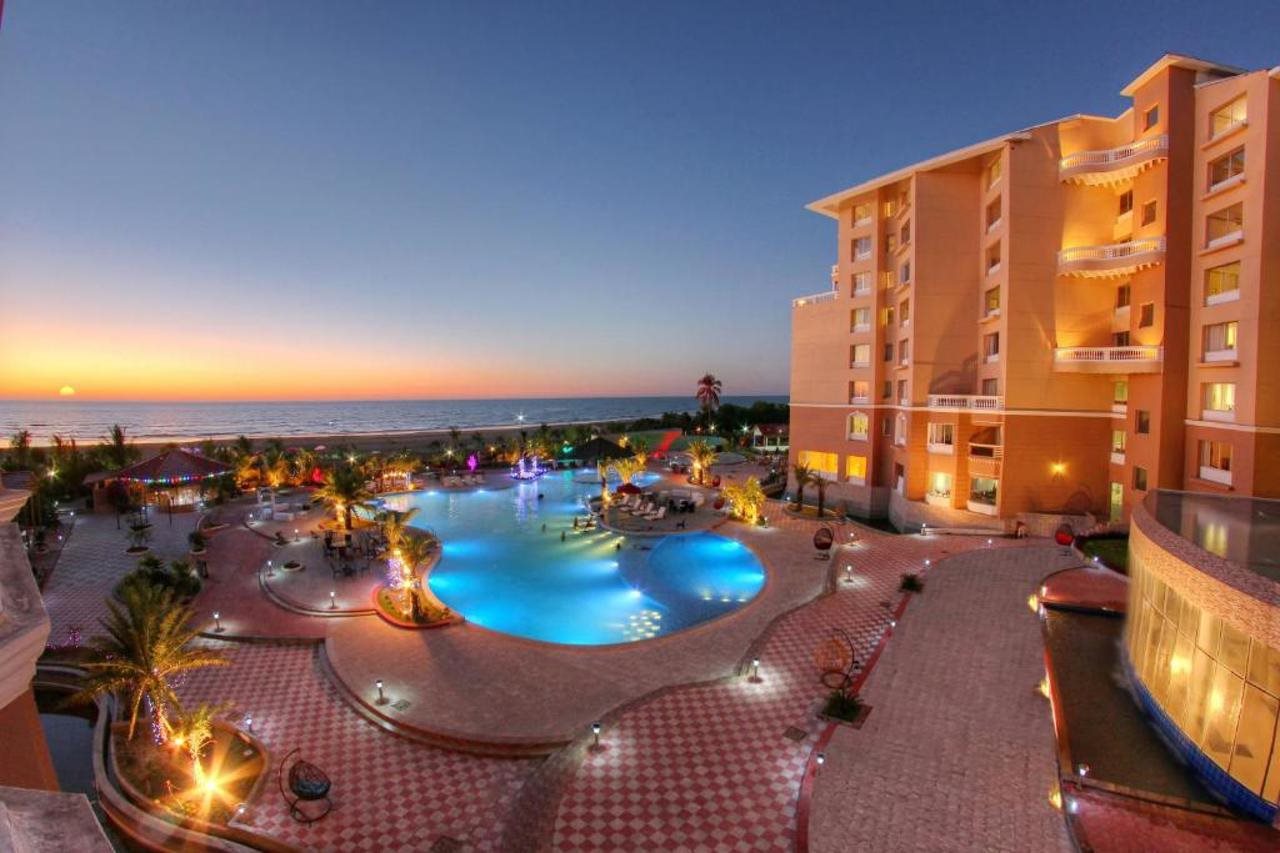
For easy access to the main cleanup routes, base yourself in Kolatoli or Sugandha. These areas have a range of hotels from budget guesthouses (around Tk 1,500–2,500 per night) to mid-range options like Hotel Kollol and Sea Crown (Tk 3,000–5,000). Laboni Point is slightly more crowded but puts you right at the start line. If you prefer quieter surroundings, Himchari has a few eco-resorts and guesthouses, but you'll need transport to reach the main cleanup spots—a CNG auto-rickshaw from Himchari to Kolatoli takes about 15 minutes and costs Tk 200–300.
I'd book a hotel in Kolatoli for convenience—it's a 5-minute walk to the beach and close to restaurants and transport. Check that your hotel has a 24-hour front desk so you can confirm cleanup times early. Avoid staying in Bakkhali Para or other inland neighbourhoods if beach access is your priority; they're a 10–15 minute rickshaw ride away. During peak season (December–January), book at least two weeks ahead, as hotels fill up. For a quieter stay, consider the off-season (April–May), but confirm cleanup schedules in advance.
Related articles
Questions, answered
Hotels in Cox’s Bazar
See all stays →Curated picks are coming — meanwhile, the live search covers every bookable property at the same price or better.