Reading the Cox's Bāzār shoreline before you book
Cox's Bāzār runs roughly north to south along about 120 km of sand, but the busy part is the 4–5 km between Kalatali Point in the north and Sugandha Beach near the town centre. The main beach road, Hotel Motel Zone Road, follows the coast and most accommodation sits on or just off it. Sand here is firm and pale, but the gradient toward the water is gentle only in patches; at Kalatali the drop is soft and deep, and hard for wheels or a walking stick.
Low tide leaves a broad flat band of packed sand between Kalatali and Sugandha that is genuinely walkable for a kilometre or more. High tide shrinks it to a narrow strip, sometimes nothing. Tide tables are posted at hotel desks and shopfronts along the strip; ask reception for the day's times before setting out. November to February brings the driest, coolest walking weather. Avoid the June–September monsoon, when sea spray, rain and slope combine badly.
Wheelchair access: what exists and what does not
There is no public beach wheelchair service and no ramp network on the sand. Beach buggies and three-wheelers run along the road but are not adapted for wheelchairs. What you will find is practical help: several hotels in the Kalatali and Hotel Motel Zone area have ground-floor rooms, wide doorways and staff willing to assist with transfers, though none advertise formal accessibility certification. Book by phone or email and describe exactly what you need rather than relying on a listing description.
For the sand itself, a balloon-tyre beach wheelchair is the only reliable way to move across soft sand, and a handful of local operators and disability-focused volunteer groups arrange them on request during peak season. Confirm at least a week ahead and expect to pay a modest rental fee. Otherwise, plan walks on the hard-packed band at low tide, on the paved beach road, or at the Seafront and Kalatali park areas where paths are flat.
Four easy, mostly flat walks in town
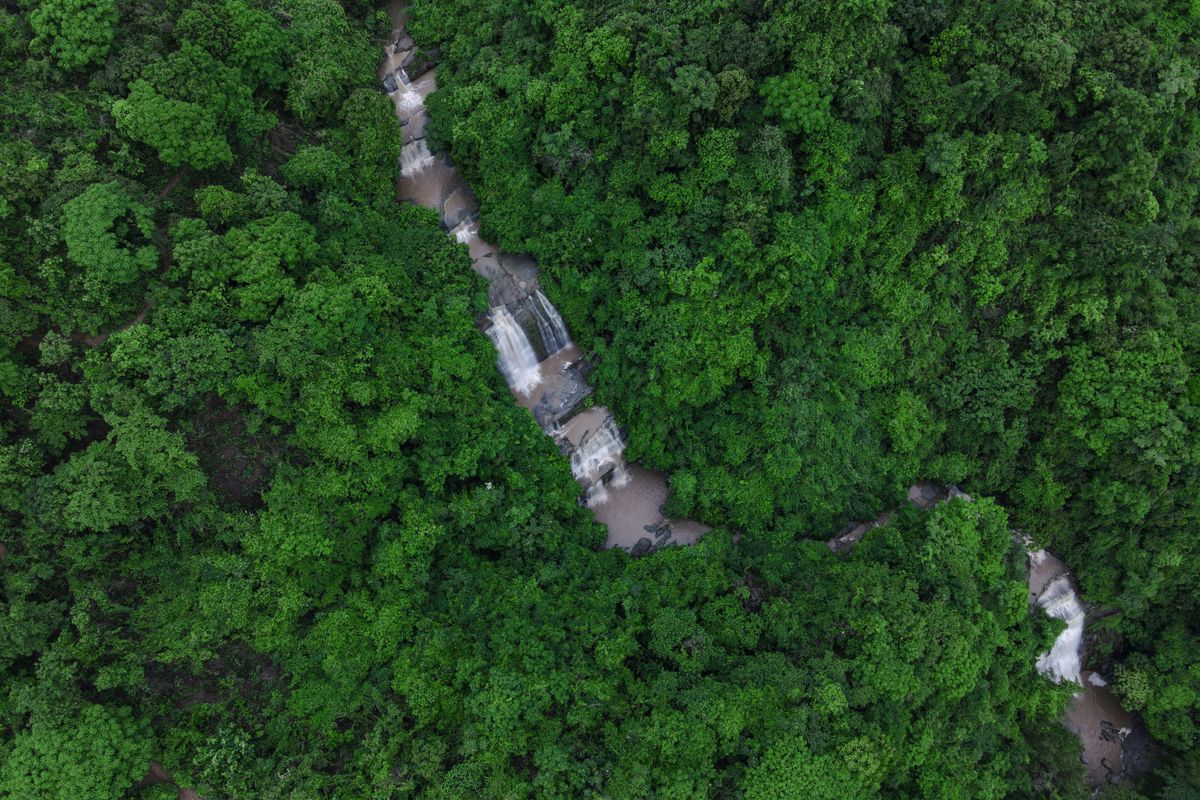
The beach road from Kalatali Point to Sugandha is paved, mostly level and about 3 km one way, with frequent benches and tea stalls; it is the simplest accessible walk in Cox's Bāzār. Inland, the Burmese Market lanes near the town centre are flat but crowded and uneven at the edges; a companion is useful. Himchari, 12 km south, has a waterfall viewpoint reachable by car with a short paved approach, but the final steps are steep.
For a quieter morning, the stretch north of Kalatali toward Bakkhali turns open and breezy with fewer vendors, and the sand at low tide is wide enough for a wheelchair pushed by two people. Skip the southern beach beyond Himchari unless you have transport arranged; the road ends at Inani, 30 km off, and the last section has no shade. Ramu, 12 km inland, is a short side trip for its temple, but the ground inside the compound is uneven.
Building a workable daily routine
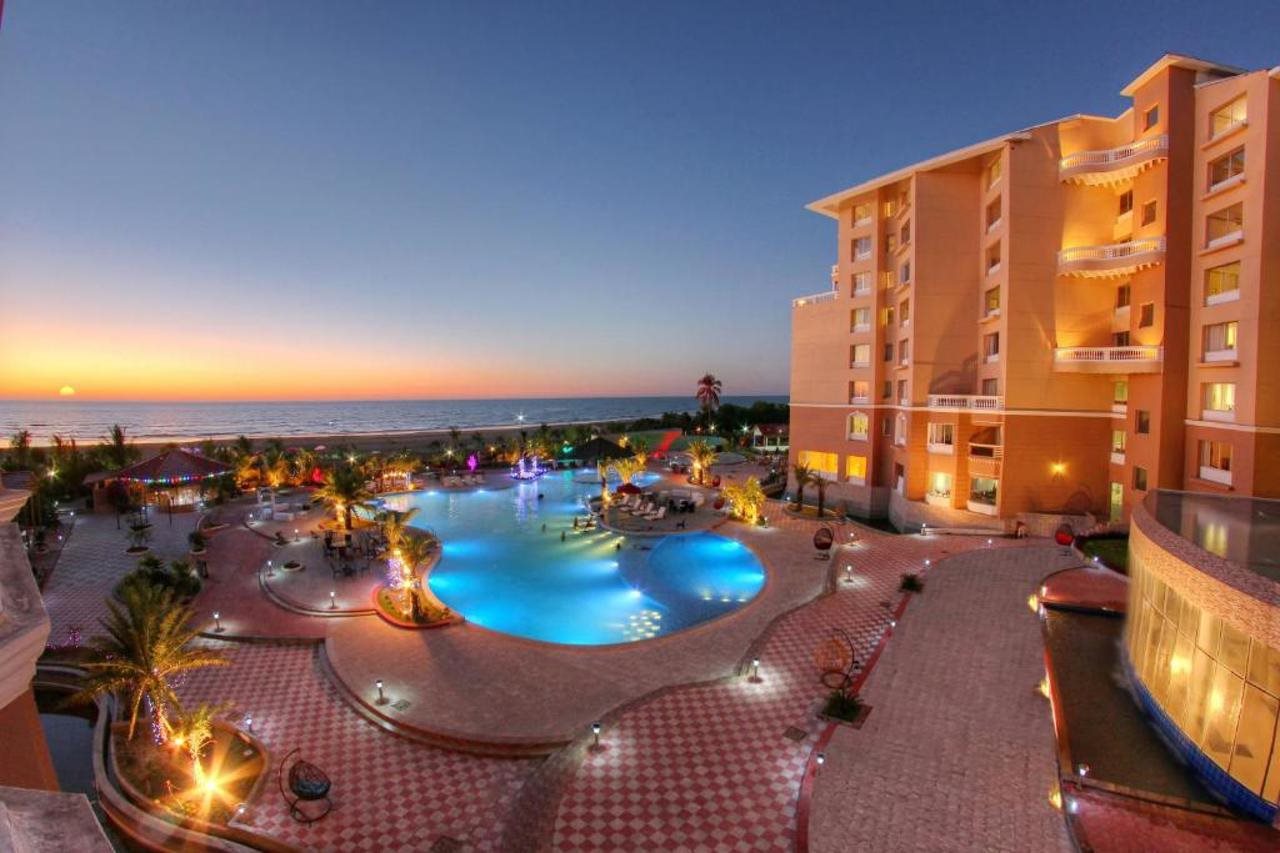
Start early, around 6–7 am, when the sand is cool and the beach is quiet, then retreat to a shaded balcony through the middle of the day. Afternoon walks work best on the paved beach road or in the shaded lanes near the town centre. Evening crowds thin out north of Kalatali. Hotels in the Motel Zone are within a few minutes of the water, which matters more than star rating when mobility is limited; check that the entrance has a ramp or a single low step.
Ask your hotel to arrange a car with a driver for the day if you want to reach Himchari or Inani, and confirm the vehicle has space for a folded wheelchair. Keep expectations practical: pavements in town are inconsistent, drainage covers sit at odd heights, and crossings are busy. Choose a hotel with a lift and a ground-floor option as a backup. If you are comparing properties, prioritise Kalatali and the Motel Zone for proximity over resorts further out.
Questions, answered
Hotels in Cox’s Bazar
See all stays →Curated picks are coming — meanwhile, the live search covers every bookable property at the same price or better.