How far the water actually pulls back
Cox's Bāzār's tide range is the reason the beach works as a walking route. Along the main strip, from Kolatoli Circle down through Sugandha Point to Kalatali, the water can withdraw roughly 100 to 200 metres depending on the day's cycle, leaving firm, pale sand that holds your weight. Two high tides and two low tides arrive each day, shifting about 50 minutes later, so a 7am low one morning becomes a midday low the next. Check a tide table or ask your hotel desk the evening before; the difference between walking at 9am and 4pm changes everything about light, heat and crowds.
The season shapes the surface too. November to February brings the cleanest, hardest sand and mild mornings around 20–25°C, which is when I would plan long walks. March to May is hotter and hazier, so start before 7am. The June to September monsoon leaves wet, softer sand, short-lived streams draining off the sand and frequent rain; walking is still possible between showers but distances feel longer. Whatever the month, keep an eye on the waterline behind you — the flood tide moves faster than it looks on a wide flat beach.
The main beach walk: Kolatoli to Sugandha Point
The classic low-tide route runs south from Kolatoli Circle, past the Kalatali hotel strip, to Sugandha Point and the rocks below Himchari road. On hard sand it is roughly 3–4 km one way and takes 45–60 minutes at an easy pace. You pass rows of wooden fishing boats hauled up beyond the normal waterline, clusters of dried seaweed and the shellfish collectors working the wet sand with baskets. Motorcycles and beach horses use the same stretch, so keep to the firmer sand nearer the water and stay visible.
Near Sugandha Point the sand narrows and scattered rocks appear, and this is where the walk stops being a stroll. Beyond that, the hills of Himchari rise close to the shore, but the beach between Kalatali and Himchari is broken by small tidal channels that fill quickly. Unless you know the tide is still falling and you have two hours before it turns, I would treat Sugandha Point as the natural end and turn back. It is also the busiest patch, so early morning gives you the cleanest walking and the best photographs.
What the low tide exposes — and where to stop
At the lowest water you can walk out onto sandbars off Laboni Point that are normally under water, and small rock pools appear south of Kalatali where crabs and tiny fish get stranded until the tide returns. It is genuinely interesting ground, but there is nothing to buy, no facilities and no shade out there. Take water, wear sandals that can get wet and never walk out beyond other people — the sandbars look continuous but channels cut between them. Skip the temptation to cross to distant sandbars; the risk is not worth the view.
For a quieter version, head north from Kolatoli toward the Bakkhali river mouth rather than south toward Sugandha. The beach is wider, emptier and used mainly by local fishing crews and the occasional beach cricket game. Birdlife picks up in the early morning along this stretch in winter. The river-mouth end is a working area with boats and nets, so keep a respectful distance and do not walk between crews hauling in. I would book this walk over the Sugandha one if you want space and photographs without crowds.
Timing, hotels and the practical plan
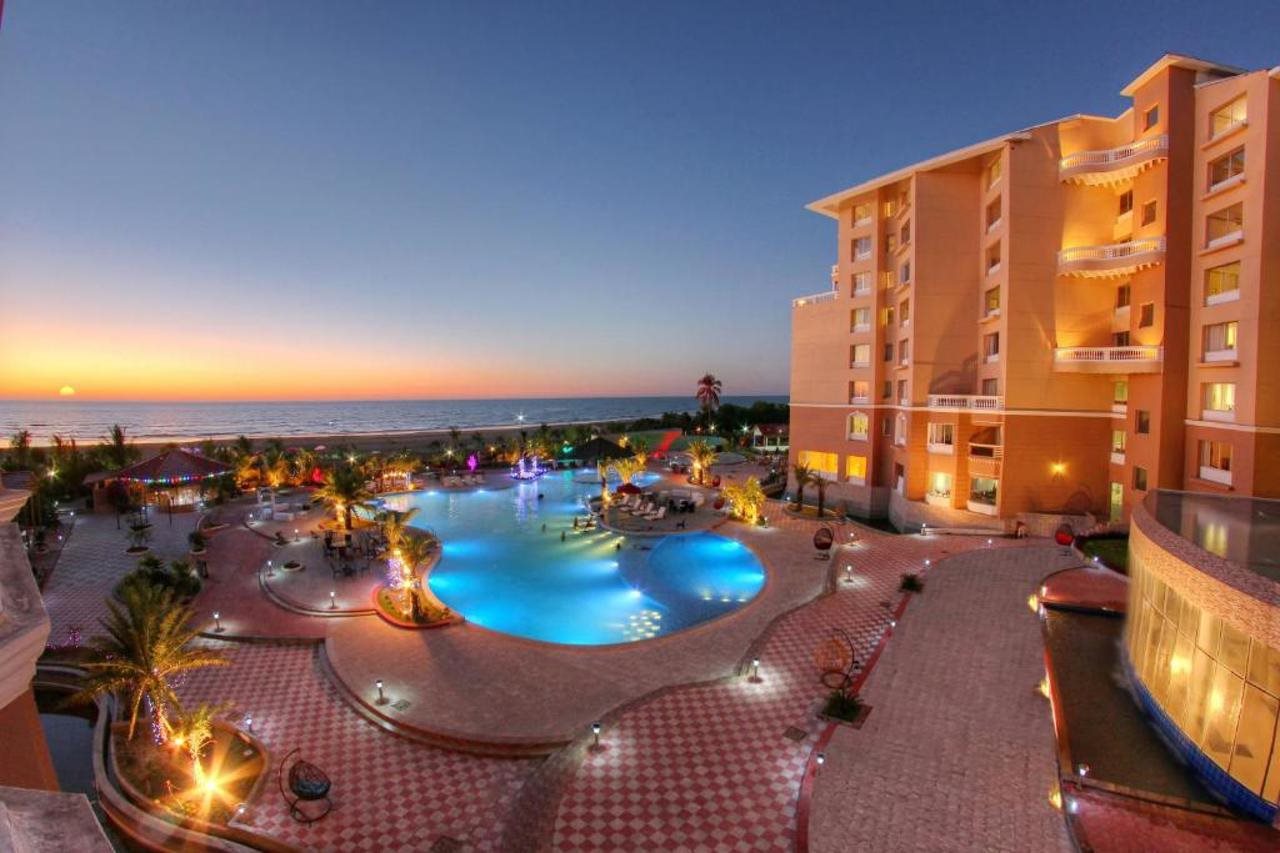
Base yourself within walking distance of the sand and the tide does the planning for you. Kolatoli and Kalatali have the densest cluster of hotels, from simple guesthouses to mid-range properties with sea-facing rooms; budget for the lower end in the off-season and expect peak December rates in the main strip. A sea-view room is worth paying for here because the morning low tide is the whole point, and a five-minute walk to the waterline at 6am beats a 20-minute rickshaw ride from further inland. Book two to three weeks ahead for December and January weekends.
For a first visit of two or three days, I would book Kolatoli for convenience: close to restaurants, the beach access points and transport, with Himchari and Inani reachable as half-day trips rather than bases. Inani, about 30 km south, has quieter sand and a handful of hotels but far fewer services and longer transfers. Skip marine drives and parasailing operators that approach you on the beach; they add nothing to a low-tide walk. Bring cash for small tea stalls, and keep your hotel's contact number for the walk back.
Questions, answered
Hotels in Cox’s Bazar
See all stays →Curated picks are coming — meanwhile, the live search covers every bookable property at the same price or better.