Where Kolatoli Beach Fits in Cox's Bāzār
Kolatoli is the stretch of sand immediately south of Cox's Bāzār town centre, running roughly from the Kalatali Road beach access down past the Hotel Motel Zone towards Sugandha Point. It is the most developed part of the beach: concrete steps, floodlights, snack stalls and rows of sun loungers for hire. Most of the hotels between Kalatali Road and the Marine Drive entrance sit within a five-minute walk of it, which is why so many visitors never leave this section.
Out front is a wide, gently sloping beach that at low tide runs hundreds of metres to the water. The current is the thing to watch. Even on calm mornings, the undertow along this stretch is stronger than it looks, and the sand drops away faster around Sugandha Point and the mouth of the Bakkhali River to the north. Many hotels in the Motel Zone are a two-minute walk from the sand; if easy beach access matters, Kolatoli is the practical base.
What the Flags Mean and Who Is Watching
The flags are simple and worth learning before you get your feet wet. Red and yellow paired flags usually mean a patrolled zone with lifeguards present; a single red flag means swimming is off; yellow alone is a caution; and a black-and-white chequered flag marks an area used by surfers or fishing boats. Because flags get moved as the tide shifts, don't assume yesterday's zone holds today. Look for the flag nearest your entry point each morning.
Lifeguard cover is seasonal and daytime only. Expect patrols from early morning until late afternoon during the November-to-February high season, with thinner coverage in the monsoon months of June to September when the sea is rough and swimming is discouraged. Do not assume an English-speaking guard is on duty; a few words of Bangla help. Keep children within arm's reach. There is a tourist police presence nearby, but that is a separate service from beach patrols.
Tides, Seasons and the Sensible Daily Rhythm
Plan around two high tides a day, roughly fifty minutes later each day, with about six hours between them. Tide tables are posted at many hotel receptions and at the beach entrances. Low tide is when families spread out; high tide narrows the sand to a strip and pushes everyone towards the steps. The most comfortable swimming window is usually the two hours either side of low tide in the morning, before the sun is high and the crowds arrive from town.
November to February is the season to book: dry, breezy, daytime temperatures in the high twenties, and full lifeguard cover. March to May gets hot and humid. The monsoon, June to September, brings heavy rain, rough surf and fewer facilities, and Marine Drive can flood. If you're coming in peak season, book a Kolatoli-side room two to four weeks ahead; in the monsoon, availability is wide open and rates drop.
Staying Near Kolatoli: What to Book and What to Skip
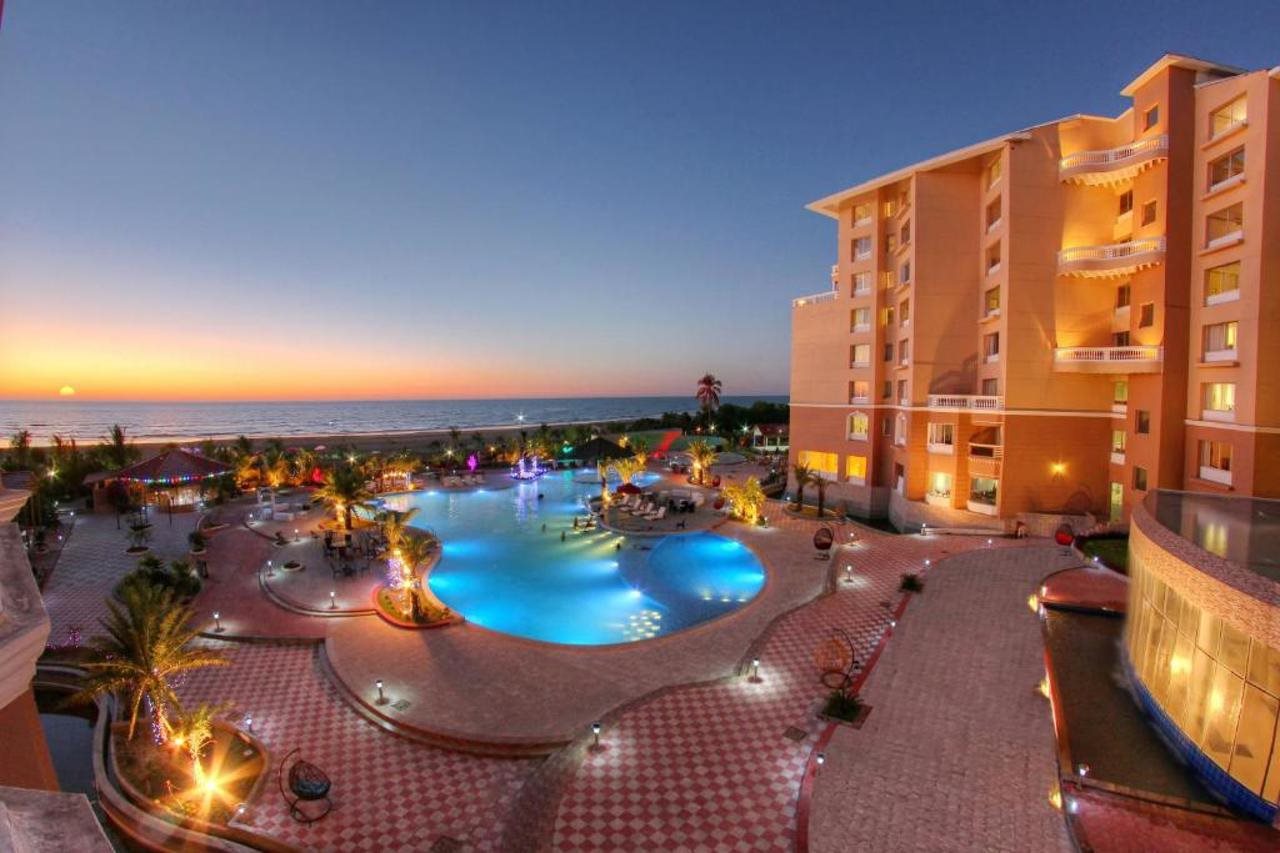
For a beach-first trip, I would book in the Hotel Motel Zone between Kalatali Road and the Marine Drive junction: walkable sand, restaurants, pharmacies and a rickshaw stand on the doorstep. Rooms with a sea view here are worth the modest premium if you plan to watch the sunrise. The strip south along Marine Drive towards Himchari is quieter and prettier, but you will need transport for every meal and every beach visit; fine for a night, tedious for a week.
Skip the touts who approach you on the sand offering boat trips and horse rides at unclear terms; arrange these through your hotel instead. Skip swimming anywhere without a visible flag, and skip the beach after dark beyond the lit sections near the steps. Do carry small notes for tea stalls and lounger hire, and keep valuables at the hotel. Cox's Bāzār is a friendly, busy town; basic precautions are enough.
Questions, answered
Hotels in Cox’s Bazar
See all stays →Curated picks are coming — meanwhile, the live search covers every bookable property at the same price or better.