What Poush Mela Actually Is
Poush is the ninth month of the Bangla calendar, running roughly mid-December to mid-January, and the fairs that carry its name are harvest-season gatherings rather than one ticketed event. In Cox's Bāzār district the biggest traditional draw is the Poush Mela at Ramu, about 16 kilometres east of Cox's Bāzār town along the Chittagong–Cox's Bāzār Highway, an easy half-hour ride by CNG or a shared tempo from the Lohachhara or Kolatoli bus points. Expect folk music, clay and cane goods, sweets, and a largely local crowd rather than an international one.
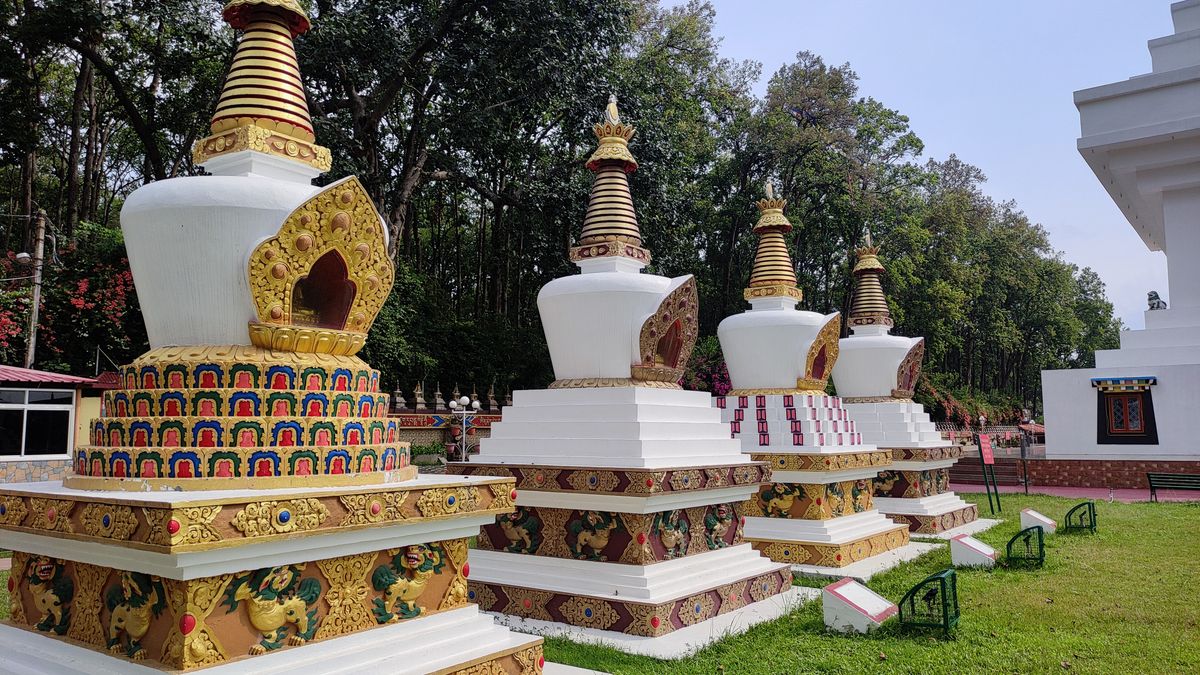
Lunar dates shift each year, so confirm the Ramu schedule locally before booking; the fair usually runs several days and is busiest in the late afternoon and evening. Mornings are calmer — the right time if you want to browse the stalls without elbows. Ramu's older Buddhist monastery, the Borua Buddhist Temple, is a short walk away and worth pairing with the fair, which makes a half-day trip out of it rather than a full one.
Kite Season on the Beach
Cox's Bāzār's real winter spectacle is informal: from December through February the wide beach from Kolatoli Point up to Sugandha Beach fills with kite flyers on weekend afternoons, and the sea is calmer than in monsoon. This is the weather window most domestic visitors plan around, which means hotels in Kolatoli and along the main beach road sell out for the Friday–Saturday block, especially around 31 December and the second week of January. Book two to three weeks ahead for those dates and expect the widest gap between weekday and weekend rates of the year.
If your trip is flexible, come Sunday to Wednesday. Rates drop, the beach is quieter, and the light on the water at Laboni Point is at its best around 4pm. The trade-off is that some beachside restaurants run shorter hours midweek, so check before you count on a late dinner. Sea fishing boats still land at the main jetty in the early morning, and that has not changed with the season.
Where to Base Yourself
Kolatoli is the practical choice for a first winter visit: beach access within a two-minute walk, the largest concentration of mid-range hotels, and easy transport to the bus terminal at Dolphin Mor. Laboni is a step busier and noisier, with more street food. If you want quiet, look at Sugandha or the northern stretch towards Himchari Road, where bigger resorts sit behind their own gates and you will rely on a car or CNG for everything. Inanda or the quieter end of Kolatoli suits couples and older travellers.
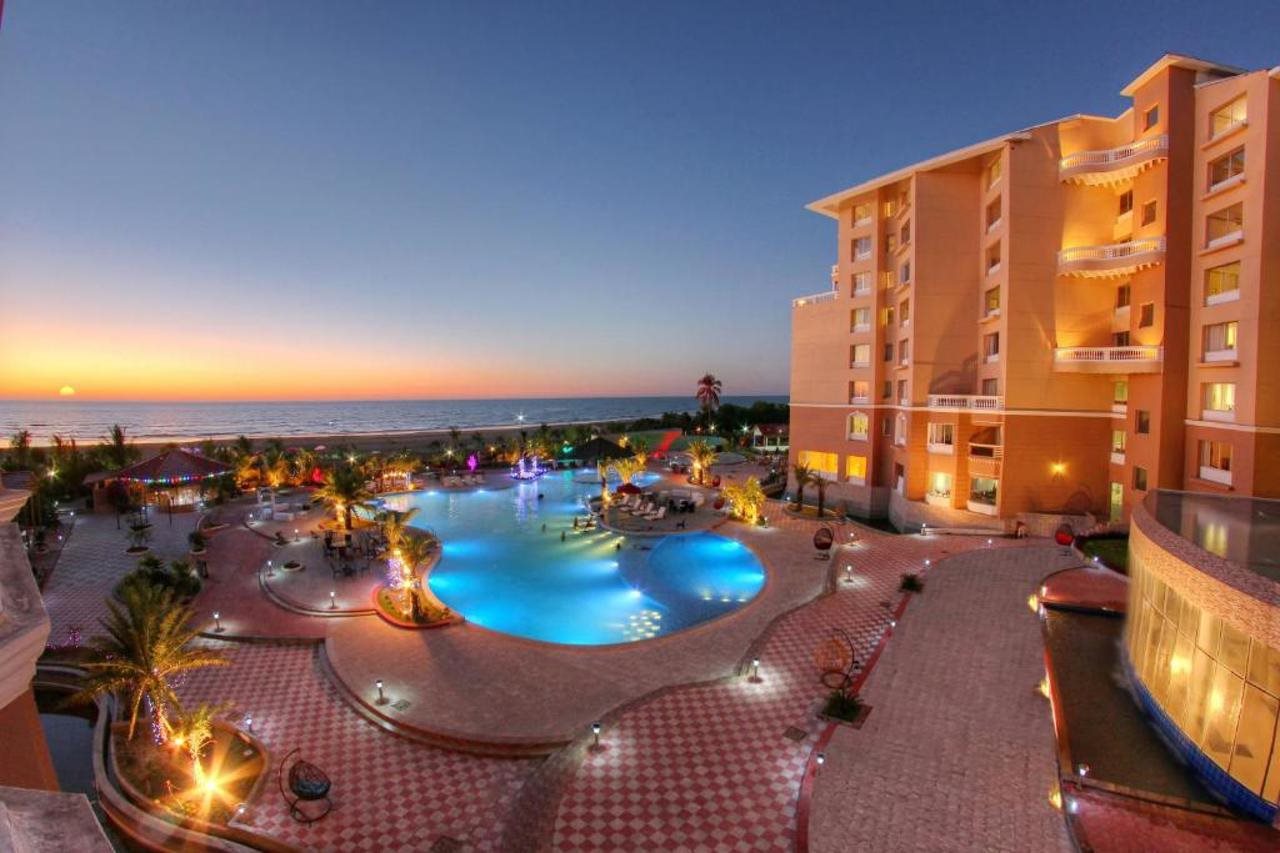
Budget roughly by band rather than by named property: simple guesthouses in Kolatoli and Laboni sit at the low end, mid-range hotels with air conditioning and breakfast in the middle, and the large resort compounds north of town at the top. Off-season discounts largely disappear in the last week of December. I would book a mid-range Kolatoli hotel with a confirmed beach-facing room and use the saved money on transport to Ramu and Himchari, rather than paying for a resort far from the sand.
Day Trips That Pair With the Season
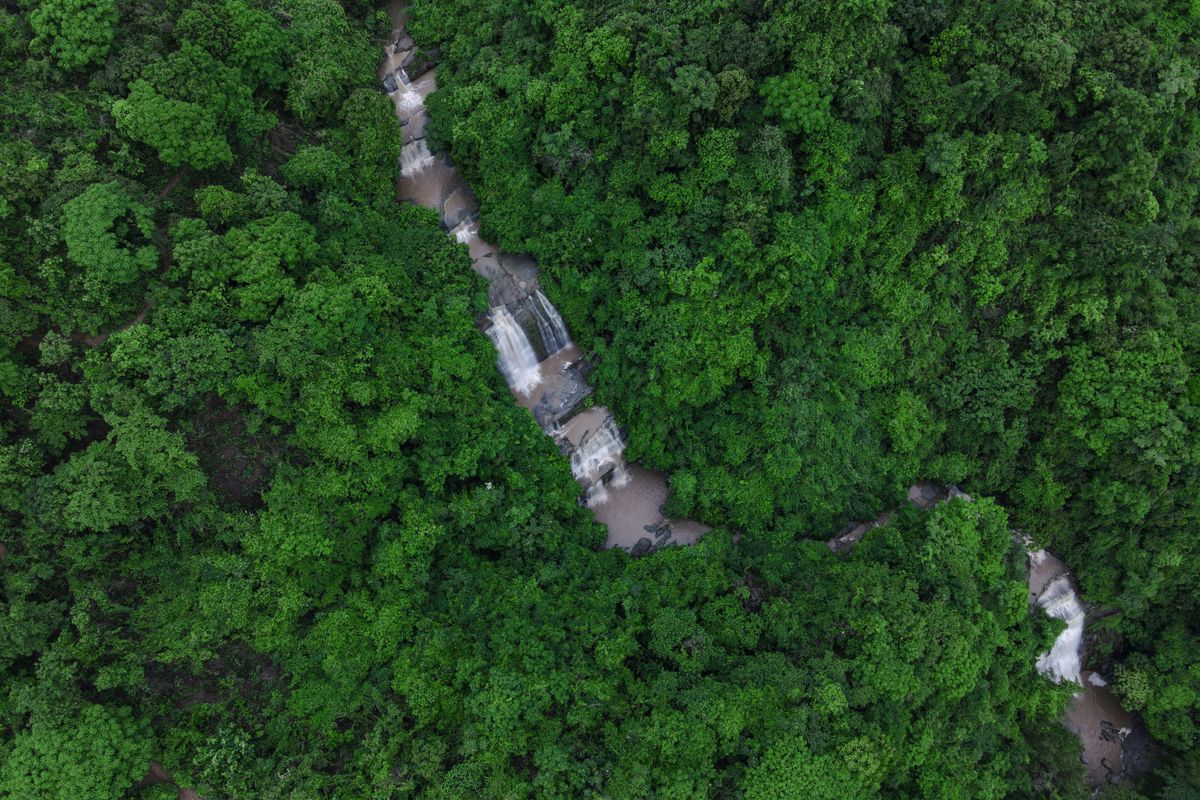
Himchari, about 12 kilometres south on Marine Drive, is at its most comfortable in winter — the waterfall is thin by January but the road and the hill viewpoints are the point, and the drive down Marine Drive towards Inani takes about 45 minutes each way with stops. Inani Beach's coral stones are best at lower tide. For a longer day, Teknaf and the Naf river crossing sit around two and a half hours south, and St Martin's island trips run in the dry season, though sea conditions can cancel crossings without notice.
Skip the elephant-back rides and the captive-animal photo stops that appear near the beach entrances in high season; there is nothing there that the Himchari hills or a morning on the sand does not do better. Also skip the temptation to cram Ramu, Himchari and Inani into one day — the Ramu fair is east and the beaches are south, and the traffic on the Chittagong road in the late afternoon will eat the schedule. Two full days is the sensible minimum for a first visit.
Related articles
Questions, answered
Hotels in Cox’s Bazar
See all stays →Curated picks are coming — meanwhile, the live search covers every bookable property at the same price or better.