Why the cool months change the snack trail
Between late November and February, Cox's Bāzār town settles into its most comfortable stretch of weather: mornings around 15–18°C, afternoons near 26°C, and very little rain. This is the season when the pitha stalls that sit quiet for the rest of the year come back into business, mostly in the early morning and again after dusk. The town is not a single food street; it is a set of small clusters, and knowing where they sit saves you a lot of wandering.
The most reliable cluster runs along the roads feeding Kālātalī Bus Terminal and the adjoining Bāzārghāt area, where long-distance buses from Dhaka and Chattogram arrive through the night and early morning. Vendors set up before dawn for arriving passengers and people heading to the beach. A second cluster sits near the old town lanes around Bāzārghāt and the fish landing area, and a third forms informally along the beach road behind Sugandhā Point in the evening.
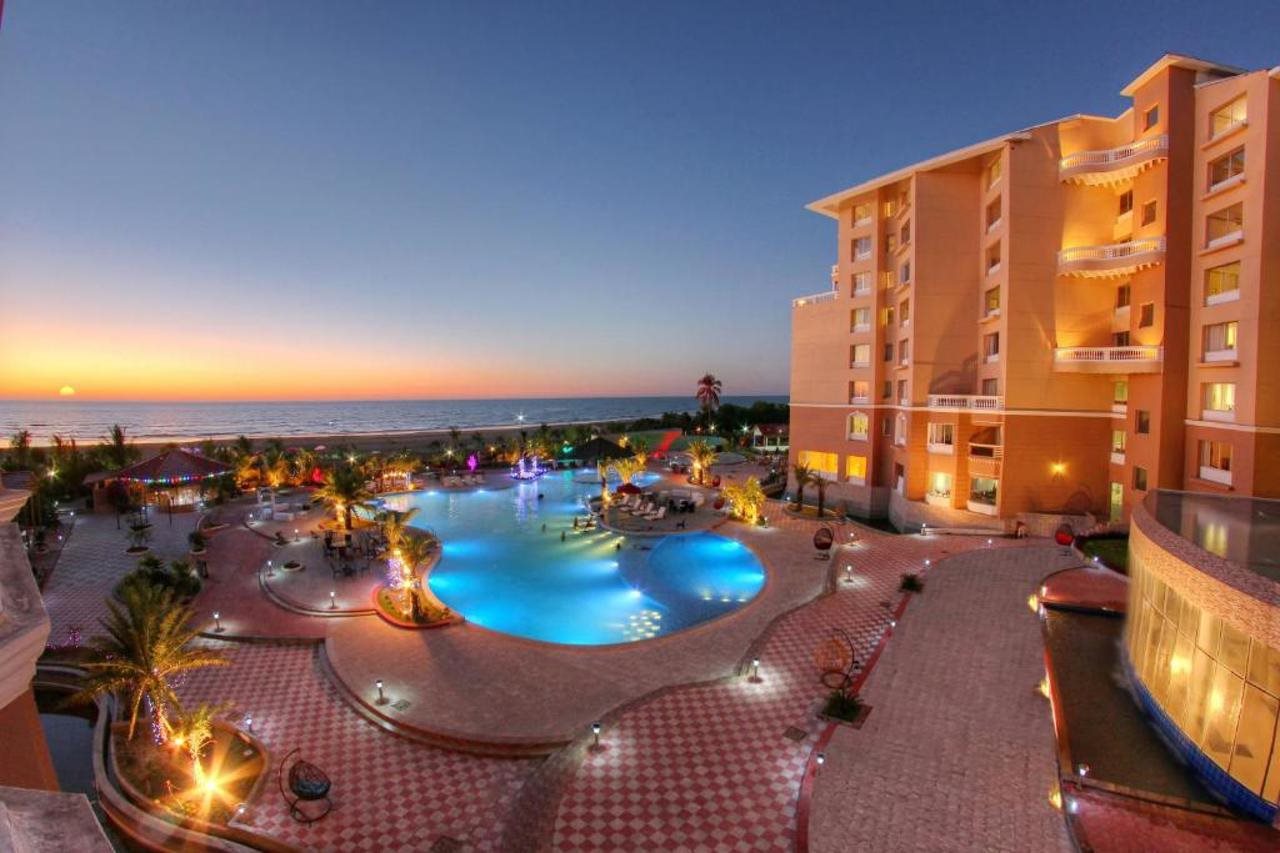
The town's geography matters here: the beachfront hotel strip runs north to south along Kolatoli and Sugandhā, while everyday shopping and eating are concentrated inland around Bāzārghāt, Kālātalī and the main highway. If you stay on the beach road you will need a short CNG ride — roughly 10–15 minutes and a fare you should agree before boarding — to reach the morning stalls. Staying nearer the bus terminal or the inland bazaar puts you within walking distance of the best of it, which is a real argument for choosing your hotel by neighbourhood rather than only by sea view.
The pitha you should actually look for
Bhapa pitha is the one to prioritise. Made from freshly ground rice flour, steamed in a cloth or a small earthen pot over a water-filled pot, it comes out soft and faintly smoky, filled with grated coconut and jaggery. In Cox's Bāzār town it appears around 6–8am, sold from clay ovens set on the pavement, usually two or three to a leaf or paper wrap. Ask for it warm; a bhapa pitha that has been sitting for an hour loses the texture that makes it worth getting up for. Chitai pitha, the thin rice-flour pancake pressed on an iron griddle and served with jaggery or a little molasses, is the second essential, and goes well with a glass of milk or tea.
Vapa and chitai are the winter staples, but keep an eye out for pati shapta — the thin crepe rolled around coconut and jaggery — and for the savoury side of the season, which is just as important. Around Bāzārghāt and the lanes near the Kālātalī terminal you will find fried vegetable piaju and dal-based boras in the late afternoon, alongside muri and chira mixed with mustard oil, green chilli, onion and a squeeze of lime. These are cheap, filling and designed for people who have been walking the beach since dawn. If you are offered a pitha you do not recognise, ask what it is made of — vendors are usually happy to explain, and the answer is often rice flour, coconut and date jaggery.
What to eat on the beach road and what to skip
The evening snack trade along the Kolatoli and Sugandhā stretch is a mix of the excellent and the forgettable. Excellent: the small stalls selling chira-muri and jhalmuri, and the vendors turning out hot bora and piaju to order. Forgettable: the packaged snacks and imported biscuits that dominate the shops nearest the big hotels, which are fine but tell you nothing about the place. A better plan is to buy your pitha in town during the morning, then take a rickshaw back and eat it on the sand before the heat builds; by 10am the beach is already warm.
There is also a winter drink worth knowing about: date palm juice, sold in the early morning from the bazaar side streets in December and January. It is sweet, thick and best drunk the same morning it is drawn. Do not expect to find it in the afternoon. For a sit-down snack, the tea stalls scattered along the main highway between Kālātalī and Kolatoli serve strong milk tea with fried snacks through most of the day, and they are the easiest places to stop if you are travelling with children or want a seat rather than a pavement.
Practical timing, and where to base yourself
Plan your food day around two windows: roughly 6–9am for bhapa pitha, chitai and date juice, and 4–7pm for the fried savouries on the beach road and around Bāzārghāt. Between those hours the pitha trade largely disappears, so do not build a mid-afternoon plan around it. Friday mornings are the busiest at the Kālātalī cluster, and the period around Pohela Boishakh in mid-April is not a pitha season at all — come in the cool months instead. Ramadan changes the rhythm entirely, with stalls shifting to the late afternoon and evening before iftar.
For a hotel, the sensible choice depends on your patience for transport. If eating early matters to you, book a hotel in the Bāzārghāt or Kālātalī area, where you can walk to the morning stalls and reach the beach by a 10–15 minute CNG ride. If you want the sea outside your window, choose the Kolatoli or Sugandhā strip and accept the short ride inland. For a two- or three-night trip I would take the second option and set one alarm early for the pitha run, because the town is where the food lives and the beach is why you came.
Related articles
Questions, answered
Hotels in Cox’s Bazar
See all stays →Curated picks are coming — meanwhile, the live search covers every bookable property at the same price or better.