Timing the Light: When the Sun Clears the Bay
Cox's Bāzār faces west, so the sun rises behind you, over the hills and the town rather than out of the sea. That matters: you get soft light on the water and long shadows across the sand, but no sunrise disc on the horizon. First light arrives early here, around 5.15am in June and closer to 6.20am in January. Aim to be on the sand 20 minutes before, when the beach is empty and the fishing boats are still coming in.
Check the tide table before you commit. At high tide the wet sand narrows sharply around Sugandha Point and near the Kalatali lifeguard towers, and a walk that looks easy at 6am can mean wet feet by 7am. Low tide exposes a wide, firm strip that runs for kilometres. The Bangladesh Inland Water Transport season is calmest from November to February; monsoon months from June to September bring rain, choppy water and a much shorter usable stretch.
Sugandha Point to Kalatali: The Classic Morning Line
Start at Sugandha Point, the tip near the statue and the cluster of dried-fish stalls, and walk south. The first kilometre past the horse-riding zone is the busiest at any hour, so go early or skip it and begin at Kalatali Road instead. From Kalatali to the edge of Marine Drive at Kolatoli is roughly 3km, a comfortable 40 to 50 minutes at an easy pace, with the beach widening as you go south.
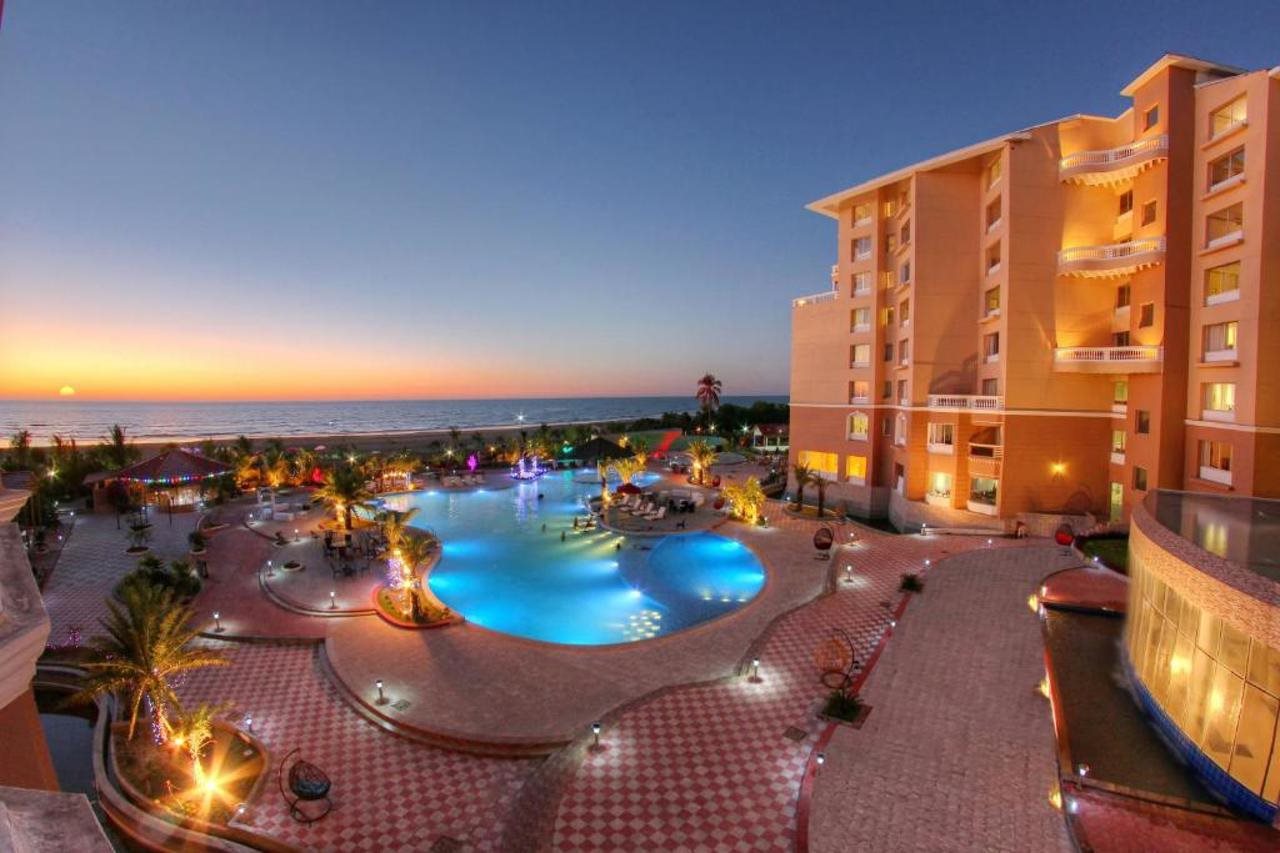
This is the stretch I would book a hotel for. Kalatali and Kolatoli have the densest cluster of guesthouses and hotels, from simple fan rooms in the Tk 1,500 to 2,500 band up to air-conditioned sea-view rooms well above that, and you can be on the sand in three minutes. If you want quiet, stay north around Sugandha and walk south at dawn; if you want convenience, Kolatoli Road puts you at the midpoint of everything.
Laboni to Himchari: Longer, Quieter, and Worth the Transfer
Beyond Kolatoli the beach thins and the crowds fall away. The run from Laboni Point down to the Marine Drive entrance at Himchari is about 12km along the sand, too far to walk both ways in the heat, but a superb one-way walk of two and a half to three hours if you arrange a car to meet you. Most people drive the 30 to 40 minutes along Marine Drive from Kolatoli and walk back north on the beach instead, which puts the light behind you.
Note that Himchari itself sits inside the protected forest area and the hillside waterfall is seasonal, so it is a landmark rather than a destination in the dry months. Inani, further south along Marine Drive, is another 25 to 30 minutes by road and has a rockier, steeper shoreline; it suits a later, shorter walk rather than a dawn start from town. Skip it if you only have one morning.
Practical Morning Logistics on the Sand
Very little opens before 7am. Tea stalls near Sugandha and along Kolatoli Road start around 6am, and a few bakeries open by 7am, but do not count on breakfast on the beach. Carry water. Rickshaws and easy-bike taxis are thin on the ground before 6.30am, so if your hotel is inland, arrange a ride the night before or pick accommodation within walking distance of the sand. Beach security posts are staffed through the morning but not everywhere.
Dress respectfully, as you would anywhere in Bangladesh outside the resort strip: shorts above the knee and swimwear draw attention on a public beach. Avoid the horse-riding and camel-ride operators who cluster near Sugandha at first light; negotiate prices only if you actually want the ride. And do not swim at dawn: there are no lifeguards on duty that early, and the currents here are stronger than the gentle slope suggests.
Related articles
Questions, answered
Hotels in Cox’s Bazar
See all stays →Curated picks are coming — meanwhile, the live search covers every bookable property at the same price or better.