Reading the Tide Before You Walk Out
Cox's Bāzār runs roughly 120 kilometres from Bakkhali Point in the north down to Teknaf, and the stretch most visitors walk is the four to five kilometres between Kolatoli Point and Sugandha Beach. The tide here is semi-diurnal, meaning two highs and two lows most days, and the difference between them on a spring tide can be over four metres. That is why the water pulls back so far that the wet sand looks like a second beach. Check a local tide table or ask your hotel desk the evening before; the walkable window is roughly two hours either side of low water.
The best months are November through February, when the air is dry, the light is clean and the sand is firm enough to walk barefoot without sinking. From late March the heat builds and the surface dries into loose powder by mid-morning, which makes walking harder work. Avoid the June to September monsoon for beachcombing specifically: the Bay is rough, the beach flattens under heavy surf and the accessible zone shrinks. December and January give you the longest daylight window and the coolest walking temperatures, though mornings are busy with local walkers and horse riders near Kolatoli.
What You Actually Find Between Kolatoli and Sugandha
The low tide exposes a wide apron of packed sand scattered with cowries, small gastropod shells, fragments of crab carapace and the occasional cuttlebone. The richest shell lines sit in the shallow runnels about 200 to 400 metres out from the normal high-water mark, where finer material settles. Walk parallel to the water line rather than straight out to sea, and you will cover more ground. Near Sugandha you will pass the dried remains of fishing boats and bamboo stakes left by the hilsa and shrimp crews; keep a respectful distance from working gear and never move nets or traps.
The famous red crabs come out in numbers on the wet sand, especially in the early morning low tides. They are quick and will vanish into burrows as you approach, so move slowly and avoid stamping. Cassiopeia jellyfish, which lie upside down on the sand, are common from November to March; they sting, so look and do not lift. If you want a guided walk, the fishermen working out of the Kolatoli and Sugandha landing points know the flats well, and a small group walk arranged through your hotel is a sensible way to learn the safe limits of the exposed sand.
Getting There, Staying There and Staying Safe
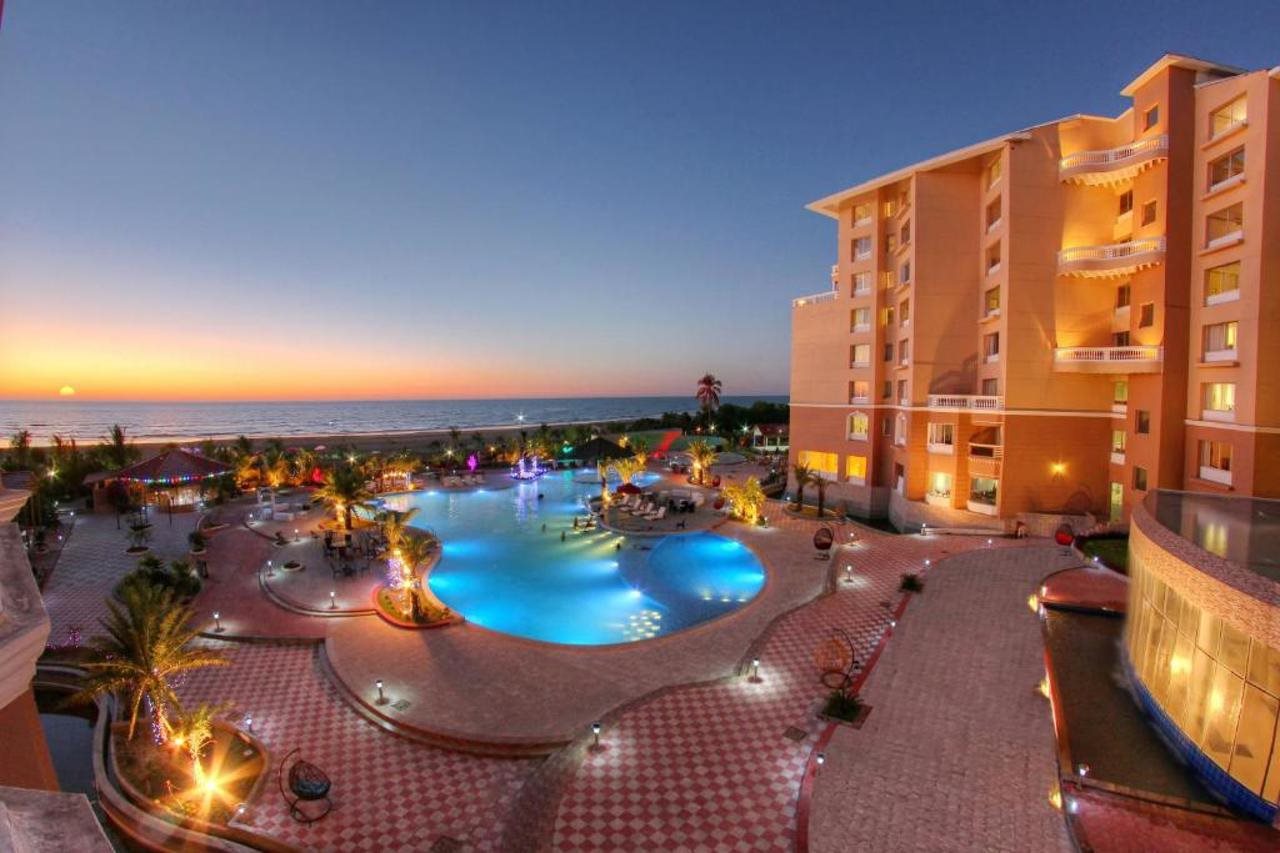
Most travellers arrive at Cox's Bāzār by bus from Dhaka, a run of roughly 10 to 12 hours on the overnight services, or by air to Cox's Bāzār airport, which is about 10 minutes from Kolatoli. The main hotel belt runs along the Marine Drive from Kolatoli through Sugandha to Kalatali, with the densest cluster of mid-range and upper-mid-range properties around Kolatoli Circle and a quieter spread toward Kalatali. If beachcombing is your priority, book within walking distance of Kolatoli Point so you can be on the sand at first light without transport. Cheaper guesthouses sit inland along the road to the bus station, but the walk to the water then becomes a 20 to 30 minute trip each way.
Low tide is safe only where it is genuinely shallow. The sand between the high and low water marks can hide soft spots near the mouths of small channels, and the beach drops off more steeply toward Himchari. Never walk out past the visible edge of the wet sand, never follow the water as it recedes, and be back at the dry beach well before the tide turns. Carry water, wear sandals for the shell-and-coral stretches and keep an eye on children near the runnels. A room with a sea-facing balcony is worth the extra cost here mainly because it lets you watch the tide line and time your own walks without guesswork.
Beyond the Beach: Inani and Himchari as a Half-Day Add
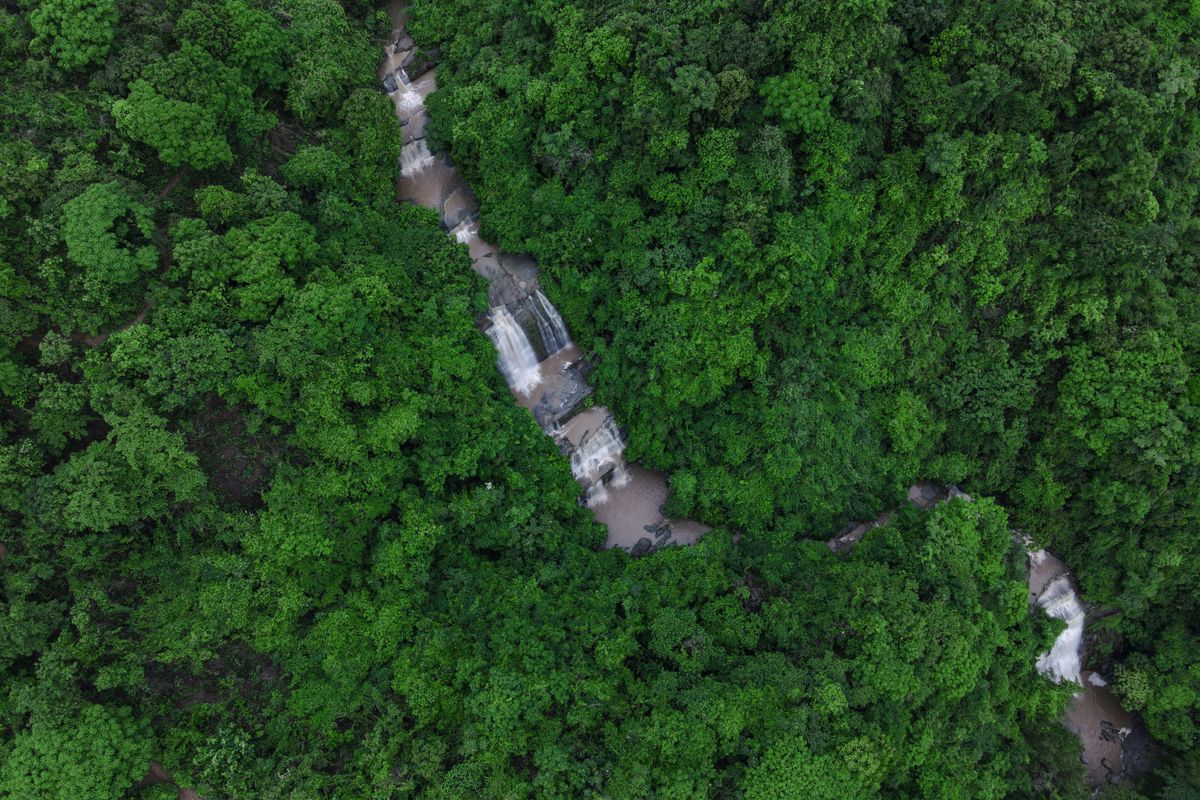
If you want a second, quieter combing spot, Inani Beach, about 30 to 40 kilometres south along Marine Drive, is rockier and far less crowded, with coral and shell debris in the tidal pools. The drive takes roughly an hour to ninety minutes by car, longer by local bus. Himchari, closer at about 15 kilometres from Kolatoli, has a hilltop viewpoint over the beach and a small waterfall that runs in the monsoon; the beach below is steeper and less suited to long walks. I would give the main combing hours to Kolatoli and Sugandha, and treat Inani as a half-day outing rather than a substitute.
Skip the horse rides and the beach buggies if you are there to look at the sand; the noise and the tracks flatten exactly the surface you came for. Do not collect live shells or anything with an occupant, and leave coral and driftwood where they lie, since both are part of the beach's structure. Take a bag for your own rubbish and a second for anything you pick up by accident. A late-afternoon walk at the second low tide, an hour before sunset, is the best light of the day and the quietest stretch of sand anywhere near Kolatoli.
Related articles
Questions, answered
Hotels in Cox’s Bazar
See all stays →Curated picks are coming — meanwhile, the live search covers every bookable property at the same price or better.