Cox's Bāzār Tides: A Walker's Guide to the Shore
On Cox's Bāzār's 120-kilometre beach, the tide decides where you can go, how far you can walk and when the sand is firm enough for a rented bicycle – here is how to read it before you set out.
How the Tide Moves Along Cox's Bāzār Beach
Cox's Bāzār's shoreline runs roughly north–south from Himchari in the south to Teknaf, and the tide isn't the same along all of it. Near Kolatoli Point, the beach is wide and flat, so low water uncovers several hundred metres of hard, walkable sand; at high water the surf comes within 30–40 metres of the hotel strip. Further south at Himchari, the beach narrows and the tide rises quickly against the headland, so the safe walking window is shorter. The pattern is broadly semi-diurnal: two high and two low waters a day, roughly 12 hours 25 minutes apart.
The range varies with the moon. Around new and full moon (spring tides), the difference between high and low can be noticeably bigger than at quarter moon (neap tides). On spring lows you can walk out towards the sandbars off Kolatoli and Sugandha, but you should never go beyond knee depth – the slope is gentle, but the current in the channel beyond can be strong. On spring highs, the water reaches close to the seawall at Laboni Point, so plan your walk for the hours either side of low water.
When to Walk: Seasons and Daily Windows
The best months for walking are November to February, when the air is dry, the sea is calmer and the beach is at its most pleasant. March to May brings heat and humidity; you will want to walk early morning or after 4pm. The monsoon, roughly June to September, brings rough surf and frequent rain, and the beach can be strewn with debris. During the monsoon, stick to the main beach near Kolatoli where the sand is cleaned regularly, and avoid the southern stretches after heavy rain. Winter mornings can be misty; the tide tables still apply, so check the day's times before setting out.
A typical low-water window gives you three to four hours of easy walking on the main beach. In practice, start about two hours before low water and turn back an hour after it. That rhythm lets you reach the fishing boats at the mouth of the Bakkhali River if you set out from Kolatoli, or walk south towards Himchari if you are staying at Sugandha. If you are based at the hotels around Kolatoli, you can step onto the sand and walk north to Laboni Point in about 20 minutes at low water.
Where to Stay for Tide-Friendly Walks
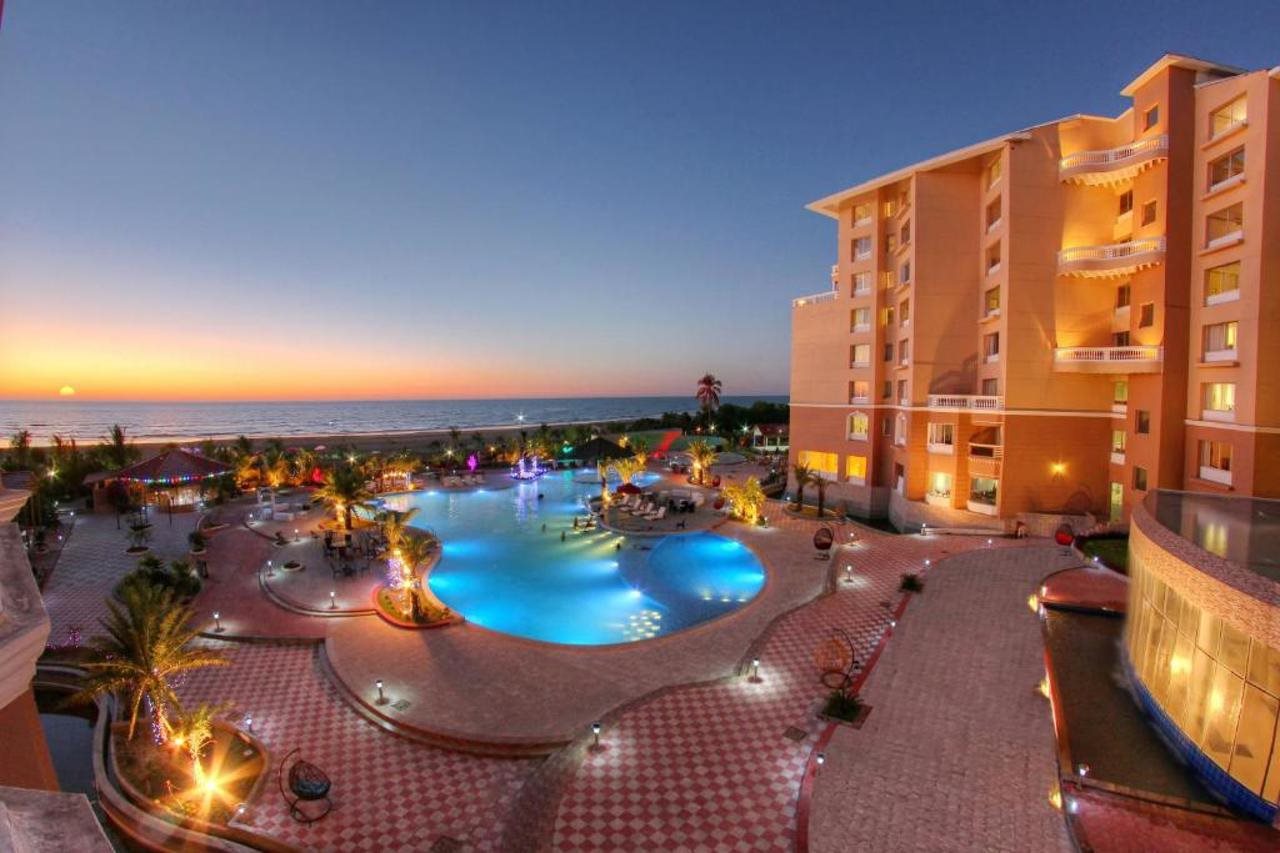
The main hotel zone runs along the beach road from Kolatoli to Sugandha, with a cluster of guesthouses and mid-range hotels around Laboni Point. Staying near Kolatoli gives you the widest beach at low water and the shortest walk to the sand; it's also where the beach is most consistently cleaned. Sugandha is quieter, with a mix of hotels and restaurants, and the beach there is narrower but less crowded. If you want to walk south towards Himchari, staying at Sugandha or further south saves you time on the road.
For a first visit, I would book a hotel within a five-minute walk of Kolatoli Point – the beach access is straightforward, and you are close to the main strip of restaurants and shops. If you prefer a quieter base, look at Sugandha. Prices are generally higher in winter (December–February) and lower during the monsoon; expect budget guesthouses from around BDT 1,500–2,500 a night, mid-range hotels BDT 3,000–6,000, and upscale resorts from BDT 8,000 upwards. Book ahead for the winter peak, especially on weekends.
Safety and Etiquette on the Shore
Cox's Bāzār beach has a gentle slope and no strong current close to shore on calm days, but the tide can move faster than it looks, especially around the Bakkhali River mouth and near Himchari. Always keep an eye on the water and never walk out onto exposed sandbars as the tide turns. Local lifeguards are not present along the entire beach, so swim near other people and avoid isolated stretches at dusk. If you are unsure, ask your hotel reception for the day's tide times – most keep a printed table.
Dress modestly when walking through the fishing villages and markets; beachwear is fine on the sand but cover up when you leave it. Do not walk on the sand dunes near Himchari – they are fragile and erosion-prone. If you hire a bicycle or horse on the beach, agree the price and route beforehand and stay above the waterline. Finally, keep the beach clean: take your rubbish back to the hotel, as bins are sparse along the southern stretches.
Questions, answered
Hotels in Cox’s Bazar
See all stays →Curated picks are coming — meanwhile, the live search covers every bookable property at the same price or better.