Reading the Rain Before It Starts
Cox's Bāzār's wet season runs roughly from late May into early October, and the heaviest falls usually arrive in June, July and August. The good news is that a monsoon morning here is rarely a steady twelve-hour downpour. Squalls tend to roll in off the Bay in short, hard bursts, often before nine in the morning, then ease enough for the beach to reappear by mid-afternoon. A hotel within a five-minute walk of the beach road gives you the freedom to move the moment the sky clears.
Check the radar on your phone at breakfast and plan around the gaps rather than abandoning the day. That is the reason I would book a room in the Kalatali or Sugandha stretch, close to the main beach road, rather than out on Marine Drive past Himchari, where a ten-kilometre run back into town in the rain is no fun at all. Nearer the centre, everything below is within a short walk or a five-minute CNG ride.
Eat Your Way Through the Downpour
The most reliable indoor pleasure in Sugandha is a long, slow breakfast. Hotel restaurants along the beach road serve the standard Bangladeshi set — paratha with dal and egg, khichuri on a wet day, and sweet milky tea — usually from seven until around ten. Small local cafés behind the main strip open early too, and a plate of shingara or a bowl of hot labra with rice costs very little. Expect to pay modest local rates, not the foreign-tourist rates you might brace for; ask at the counter rather than guessing.
For lunch, the fish restaurants in the lanes off the beach road are where Cox's Bāzār eats best. Rupchanda, koral and rui are usually cooked to order and served with plain rice — grilled or in a curry, depending on the kitchen. Prices vary with the day's catch, so confirm before ordering. If the rain sets in hard, order in from your hotel instead of walking; nearly every mid-range place in Kalatali will send food to the room, and eating by an open window while the sea turns grey is its own small event.
Markets, Museums and Dry Afternoons
When the shower is long rather than fierce, the Burmese Market — the cluster of stalls around Kalatali Road in the town centre — is the obvious place to be. It is covered in most stretches and sells dried fish, thanaka wood, textiles, shells and souvenirs. It is busy, a little chaotic, and exactly the sort of place a wet morning suits. Go early, keep bags zipped, and remember that bargaining is normal but should stay friendly. Bring small notes so you are not hunting for change in a crowd.
For a change of pace, the small museum and cultural displays around town, plus the handicraft shops near the beach road, fill an hour or two without getting wet. If the rain stops, the fish harbour at the mouth of the Bakkhali River is worth a short ride — boats, ice, nets and the smell of the morning's catch. Skip the aquarium-style attractions that appear in some listings; they tend to be thin on content and better value is found in the market itself. I would save Marine Drive for a clear afternoon.
Where to Stay and How to Time the Day
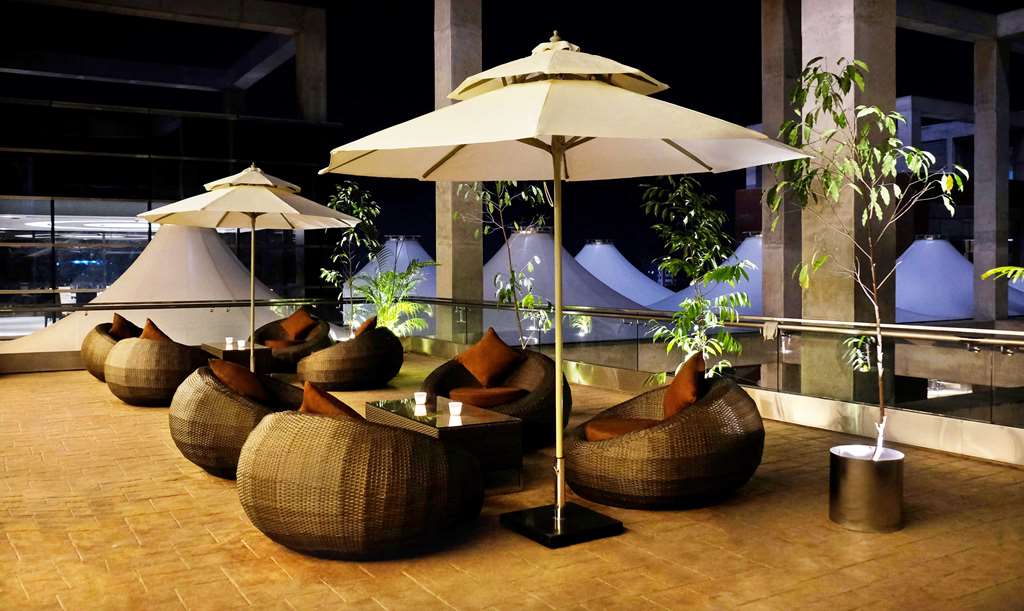
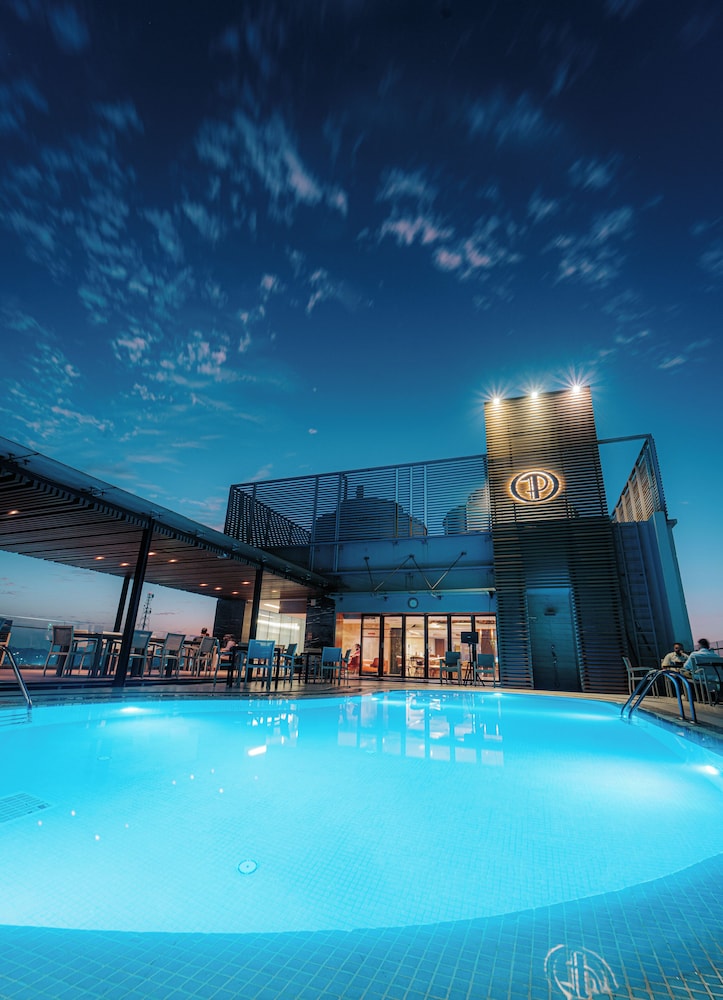
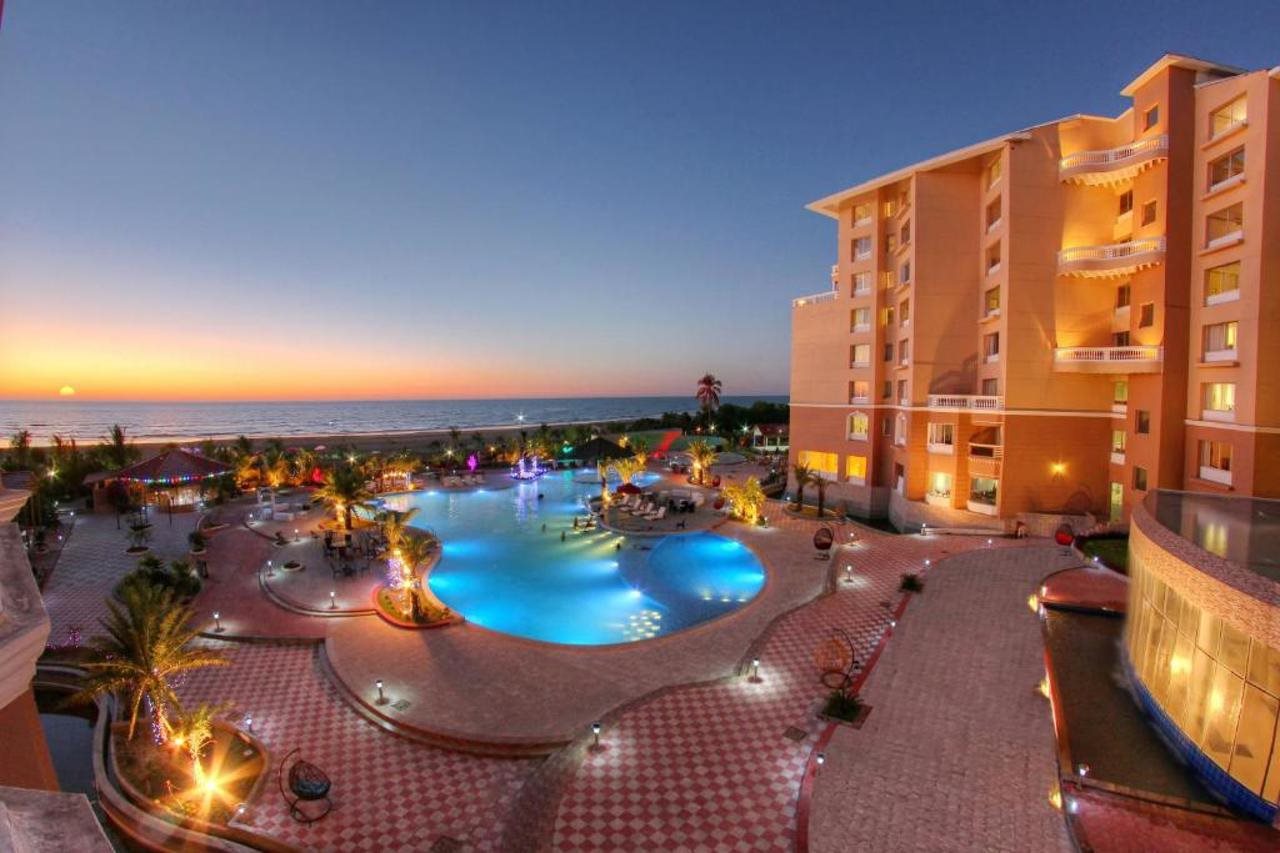
The Sugandha and Kalatali beachfront is the practical choice for a rainy stay: mid-range hotels line the road, most with generators, hot water and restaurants on site, and the walk to the sand is short. Hotel rooms are plentiful in Cox's Bāzār and rates drop noticeably outside the winter peak of November to February, so a wet-season booking often stretches further. Book a room with a sea-facing window and you have somewhere genuinely pleasant to sit out the worst of it.
Structure the day in two halves. Use the morning for the market, breakfast and the museum, then take a late lunch and watch the sky. Rainy-season evenings often clear, and the beach is at its emptiest and most atmospheric then. Carry a light rain jacket, a dry bag for your phone and a spare pair of sandals; umbrellas are sold everywhere on the beach road for a few taka. Avoid the exposed Laboni Point jetty area in a squall and keep to the paved roads behind it.
Related articles
Questions, answered
Hotels in Cox’s Bazar
See all stays →Curated picks are coming — meanwhile, the live search covers every bookable property at the same price or better.