Why Jhilongja, and How to Get There
Cox's Bazar's main beach gets the crowds, but locals head north to Jhilongja, the shoreline just beyond the fishing jetty. It's a 10-15 minute walk from the Hotel Motel Zone along the beach road, or a 5-minute CNG ride from the central bus station. Come between November and February for dry, clear mornings; avoid the monsoon months of June to September when the sand is sodden and the sea is rough. Arrive by 6am to catch the light and the fishing fleet returning.
The beach here is narrower and steeper than the main strip, backed by a line of wooden fishing boats and drying nets. There's no lifeguard and the current can be strong, so this is a place for walking and watching, not swimming. A few local tea stalls open around 6:30am serving strong milk tea and biscuits for a few taka. Bring small notes. There are no ATMs or card readers on this stretch.
What You'll See: Boats, Nets and Morning Work
The main draw is the working beach. From first light, crews haul wooden trawlers onto the sand and sort their catch—mostly small fish, shrimp and dried fish destined for local markets. You'll see nets being repaired and boats repainted. It's a genuine slice of Cox's Bazar's fishing economy, not a staged attraction. Keep a respectful distance, ask before taking photos, and don't touch the nets or catch. A polite 'assalamu alaikum' goes a long way.
By 8am, the beach empties as boats head out and workers move to the drying yards. That's your cue to walk south along the sand toward the main beach—about 20 minutes—or stop at one of the simple eateries near the jetty for a breakfast of paratha and dal. If you want a proper sit-down meal, head back to the Hotel Motel Zone where most restaurants open at 8am. The walk back along the beach road is flat and easy.
Where to Stay and What to Skip
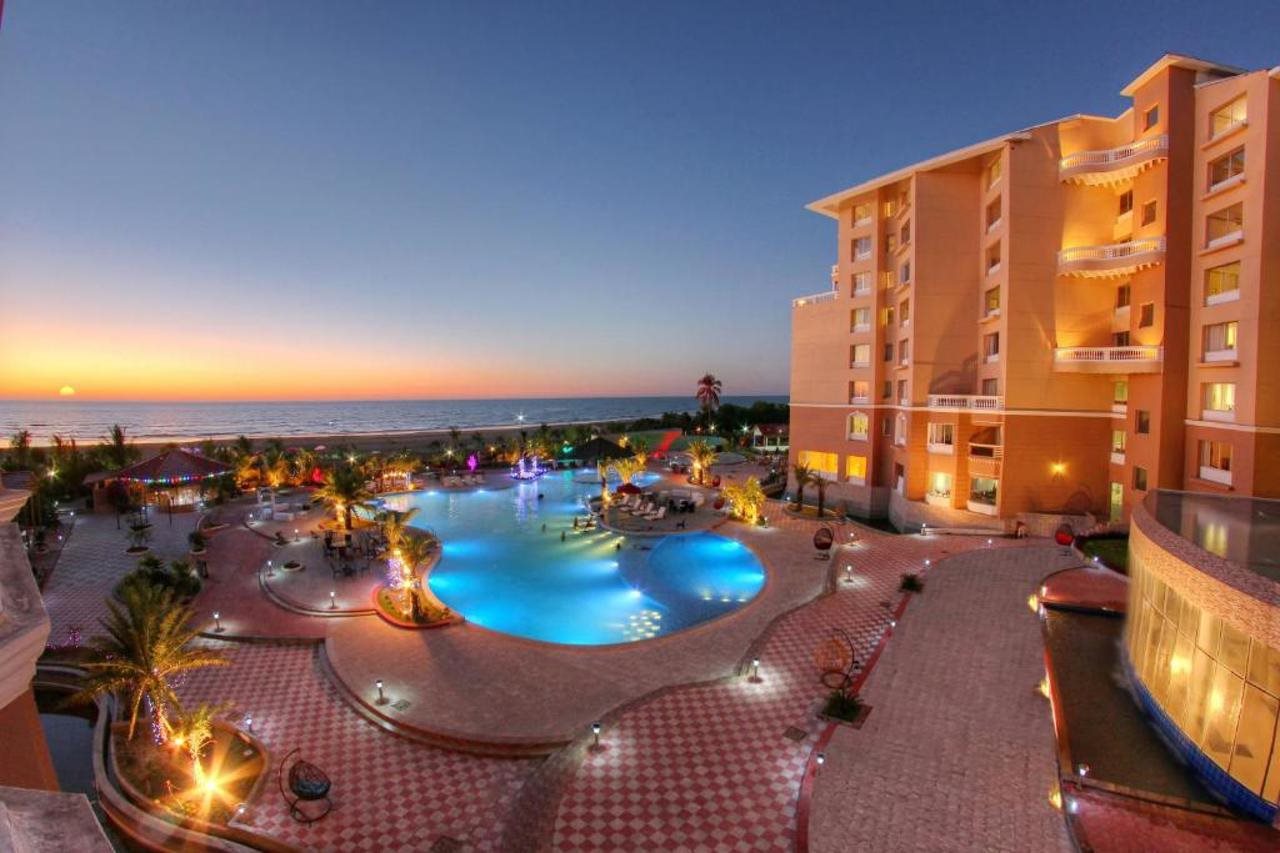
For the easiest access to Jhilongja, book a hotel in the northern part of the Hotel Motel Zone, near Kolatoli Circle. From there it's a 10-minute walk to the quiet end of the beach. Mid-range hotels in this area typically run from around Tk 2,500 to Tk 4,500 per night in peak season (November-February), while budget guesthouses near the bus station start lower. Book ahead for December and January, when domestic tourists flood in for the winter holidays.
Skip the cycle rickshaws that wait near the main beach—they'll quote inflated fares for the short trip to Jhilongja. Instead, walk north along the beach or take a CNG if you're coming from further south. Also skip the souvenir hawkers on the main strip; Jhilongja has none, which is part of its appeal. If you want a guide, arrange one through your hotel rather than on the beach, and agree on a price beforehand. The local fishing community is friendly but wary of uninvited cameras.
Practical Tips for a Smooth Morning
Wear modest clothing—covered shoulders and knees—out of respect for the fishing community. Bring water, sunscreen and a hat; there's little shade. The sand is firm near the waterline, making it easy to walk. If you're staying in the southern Hotel Motel Zone near Sugandha Beach, allow 25-30 minutes to walk to Jhilongja, or take a CNG for around Tk 100-150. In the pre-dawn hours, stick to the main beach road rather than the darker side lanes.
Combine your visit with the nearby fish drying yards, where you can see the traditional process of sun-drying fish—a key local industry. It's a 5-minute walk inland from the beach. Afterwards, head to the Burmese Market for breakfast or shop for dried fish to take home. Most hotels will store your bags if you arrive before check-in. The morning is also the coolest part of the day, so plan to be out by 9am before the heat builds.
Related articles
Questions, answered
Hotels in Cox’s Bazar
See all stays →Curated picks are coming — meanwhile, the live search covers every bookable property at the same price or better.