Reading the Flags and the Water
Cox's Bāzār's beach runs roughly 120 km from the tip at Laboni Point north past Sugandha and Kolatoli to Himchari and beyond, and the surf is not uniform along it. Red flags go up when the sea is running hard, usually in the June-to-September monsoon and for a few days after, and a red flag at Laboni means no swimming, not just caution. Yellow means waist-deep only. Do not treat a distant flag as covering a different stretch of sand, and never walk out at low tide without checking when it turns.
The tide here moves fast and the beach shelves steeply from about Sugandha northwards, so a spot that is ankle-deep at noon can be chest-deep within the hour. Swimming is really only sensible between the flags near Laboni and Kolatoli, where the beach is flattest and the crowd is thickest, and even there the lifeguard cover is thin outside the main season. If you want calm water rather than surf, plan around the November-to-March dry season and swim in the morning before the wind picks up.
Vendors, Photographers and the Beach Economy
Expect to be approached every few minutes on the sand between Laboni Point and Kolatoli. Beach photographers offer prints, shell-sellers work the tideline, pony-cart and dune-buggy drivers circle the main access points, and snack vendors carry trays of chanachur and cold drinks. This is how a lot of local families earn through the season, and a short, friendly refusal in Bangla or English works better than silence. Agree a price before a photo or a ride, not after, and carry small notes so you are not hunting for change.
If you do want a pony ride or a beach photo, treat it as a booked service: settle the number of shots or the length of the ride first. Prices vary with the season and with how busy the beach is, so there is no fixed figure to quote, and a quote given at Laboni in December will not match one at Kolatoli in August. I would skip the motorised dune buggies on the crowded stretch near the hotel strip and walk north instead, where the sand is quieter and the vendors are fewer.
Dress, Photography and Local Manners
Cox's Bāzār is a Bangladeshi holiday town, not a resort enclave, and the beach is busiest with families from Dhaka and Chittagong in the evenings. Swimwear is common on the sand in the main tourist stretch, but away from it, and in the markets along the Hotel Motel Zone road, most women cover shoulders and knees. A light scarf or a long-sleeved shirt over a swimsuit is the practical compromise, and it also helps against the sun, which is fierce from March to May.
Ask before photographing people, especially women and children, and put the camera down around the fishing boats at the far north end of the beach near the dry-fish yards. Friday is the busiest day, when the beach fills after Friday prayers; if you want the sand to yourself, go on a weekday morning. During Ramadan the beach is quiet by day and busy after iftar, and some smaller food stalls along the strip close until sunset. Tipping is not expected but is appreciated for a genuine service, such as a pony handler or a guide who has spent an hour with you.
Where to Base Yourself and When to Go
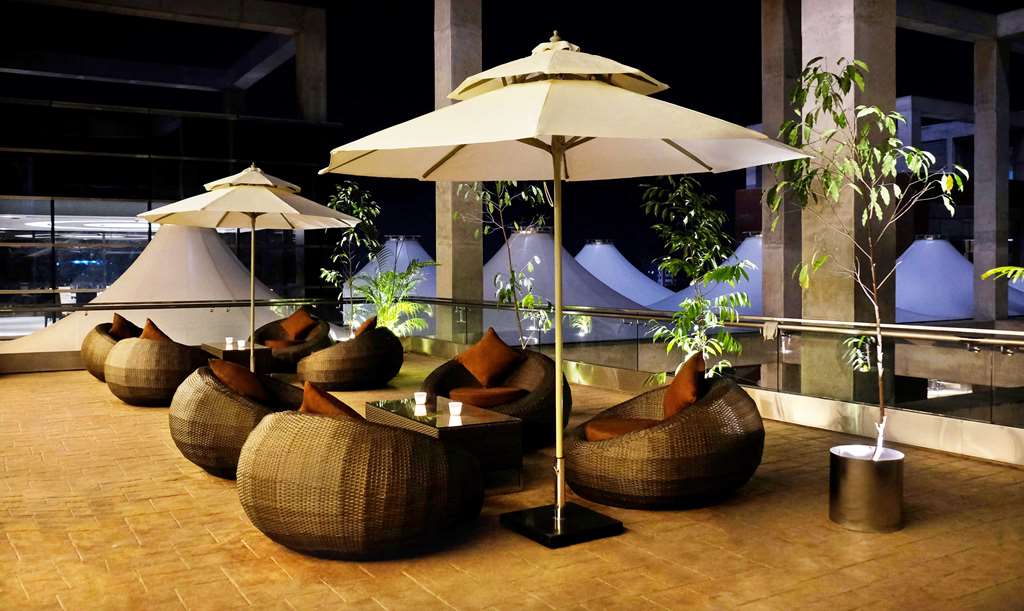
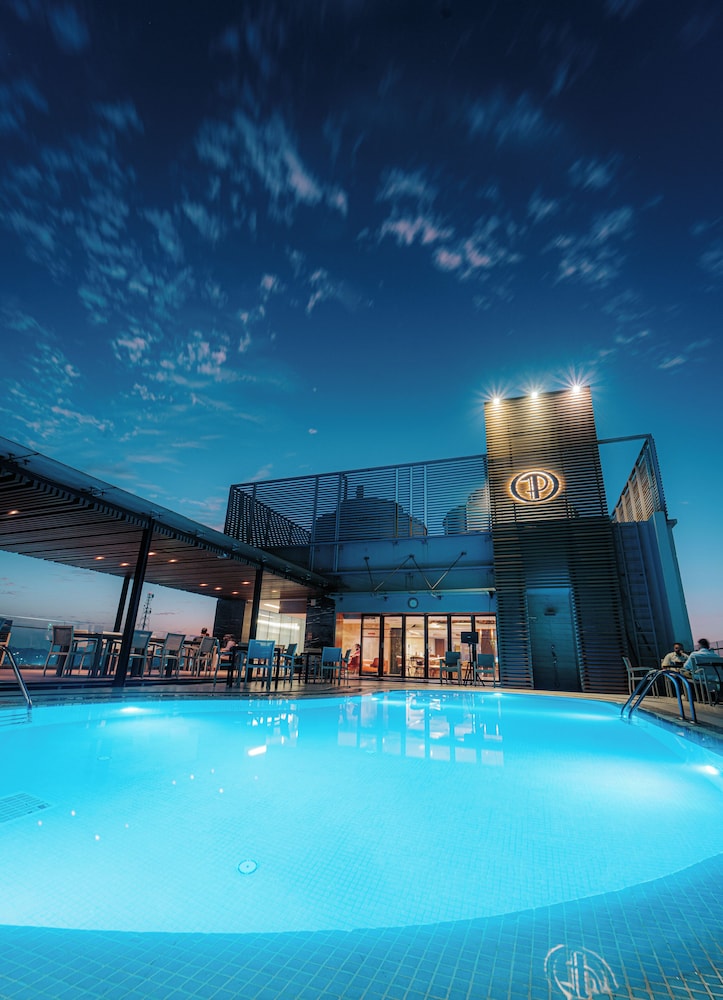
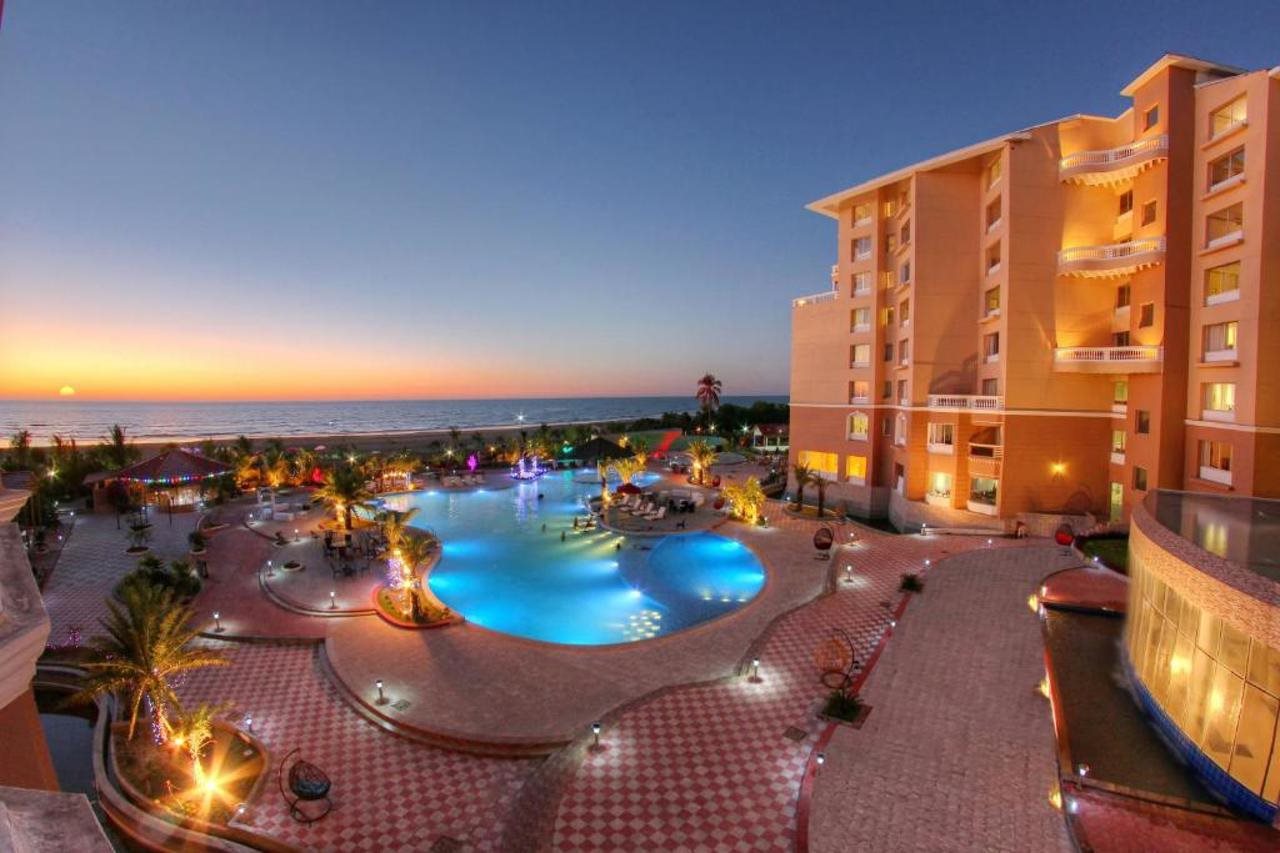
Most hotels sit in the Hotel Motel Zone between Kolatoli and Sugandha, a walkable strip of guesthouses, mid-range hotels and a few larger resorts, all within a few minutes of the sand. Kolatoli Circle is the transport hub, with the bus stands and the road south to Himchari and Inani. If you want quiet, look north towards Sugandha or further out past Himchari; if you want restaurants and easy beach access, the strip between Laboni and Kolatoli is the one I would book, especially for a first visit.
November to February is the sweet spot: dry, breezy and comfortable, with the sea calm enough that red flags are rare. March to May is hot and humid but cheap, and the water is warm. The monsoon, June to September, brings heavy rain, rough surf and a quiet beach, and many smaller hotels discount heavily then. Getting there means a flight from Dhaka to Cox's Bāzār airport, about an hour, or a long bus from Dhaka of around ten to twelve hours; book the flight if your time is short.
Questions, answered
Hotels in Cox’s Bazar
See all stays →Curated picks are coming — meanwhile, the live search covers every bookable property at the same price or better.