Start on the main beach, but walk south
Begin at the Sugandha Beach point near the Burmese market, where the sand is wide and flat after a night of rain. Walk south toward Kalatali, keeping the waterline on your left. In the dry window between 6 and 8 a.m., the beach is almost empty save for a few fishermen and the occasional horse handler. The walk from Sugandha to the Kalatali lifeguard tower is about 1.5 kilometres and takes twenty minutes at an easy pace. The sand is firmest just above the wet line, so wear sandals you can rinse later.
If the tide is low, continue past Kalatali to the rocky outcrop near Himchari Road, a further two kilometres. This stretch is quieter, with dunes on your right and the Bay of Bengal on your left. You will pass a few seasonal tea stalls; most open by 7 a.m. in November and December. The best months for this walk are November to February, when rain is rare and mornings are cool. In July and August, the same route can be muddy and slick, so check the sky before setting out.
Explore the fishing quarter near the dry fish market
From Kalatali, cut inland to the dry fish market on the road to Marine Drive. The lanes here are narrow and often wet, but a rain-free morning brings out activity: boats unloading, fish being spread to dry, and traders sorting their catch. This is a working area, so walk slowly and keep to the edges. The smell is strong but fades after a few minutes. Photographers will find good light on the drying racks before 8 a.m. Do not enter the drying yards without permission; a nod and a gesture are usually enough to ask.
A short detour north brings you to the old landing jetty, where you can watch the last of the night's catch come in. The jetty is about 500 metres from the dry fish market. From there, head west along the beach path back toward Sugandha. This loop, including the beach walk, covers around four kilometres and takes two hours with stops. It is a good way to see a side of Cox's Bazar beyond the hotel strip without committing to a full-day excursion.
Take the hill path to Himchari early
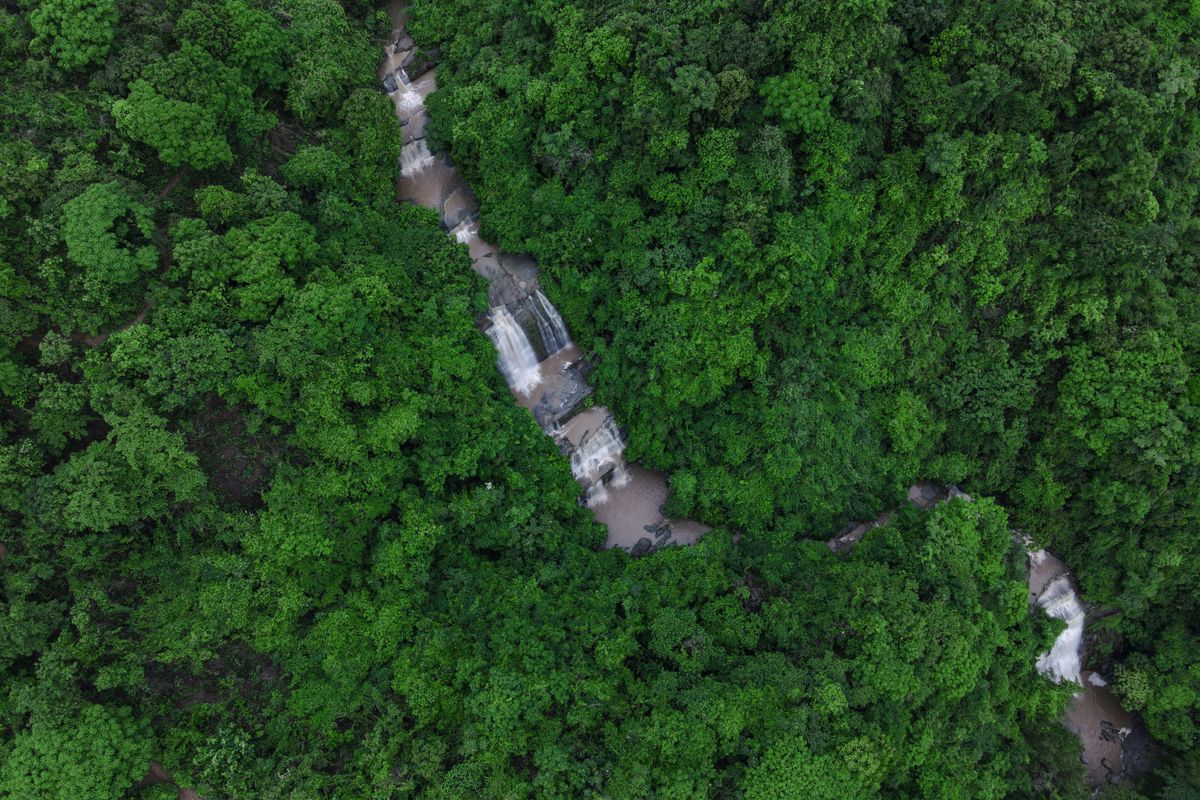
For a change of scene, take a short auto-rickshaw ride (about 10 minutes, 100–150 taka) to the Himchari entrance and walk the paved path to the waterfall. The path is shaded and usually dry by mid-morning, but after heavy rain it can be slippery. The walk to the main viewpoint takes 15–20 minutes and offers wide views over the beach and hills. Go before 9 a.m. to avoid the tour groups that arrive later. The waterfall itself is modest in the dry season but flows well from June to September. Entry to the Himchari protected area is free for pedestrians.
If you have more time, continue along the ridge trail toward the Himchari picnic spot. The trail is about two kilometres one way and rewards with glimpses of the coast. Wear shoes with grip, as the red soil holds moisture. On a clear morning, you can see the beach stretching north toward Inani. This walk is best combined with a beach walk on another day, as the round trip takes at least three hours. For a shorter option, the paved path to the waterfall is sufficient.
Where to stay for easy morning access
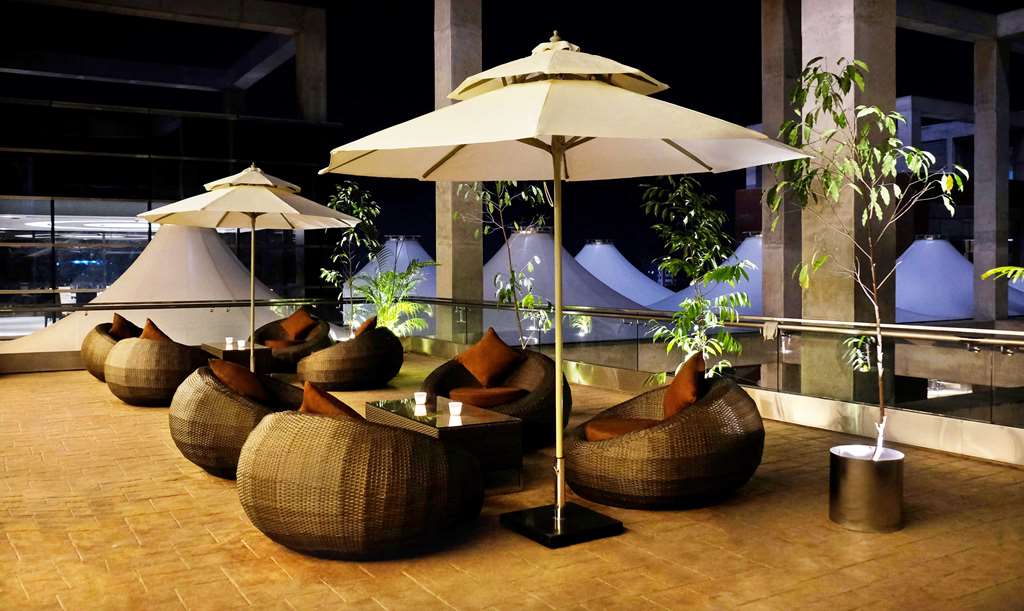
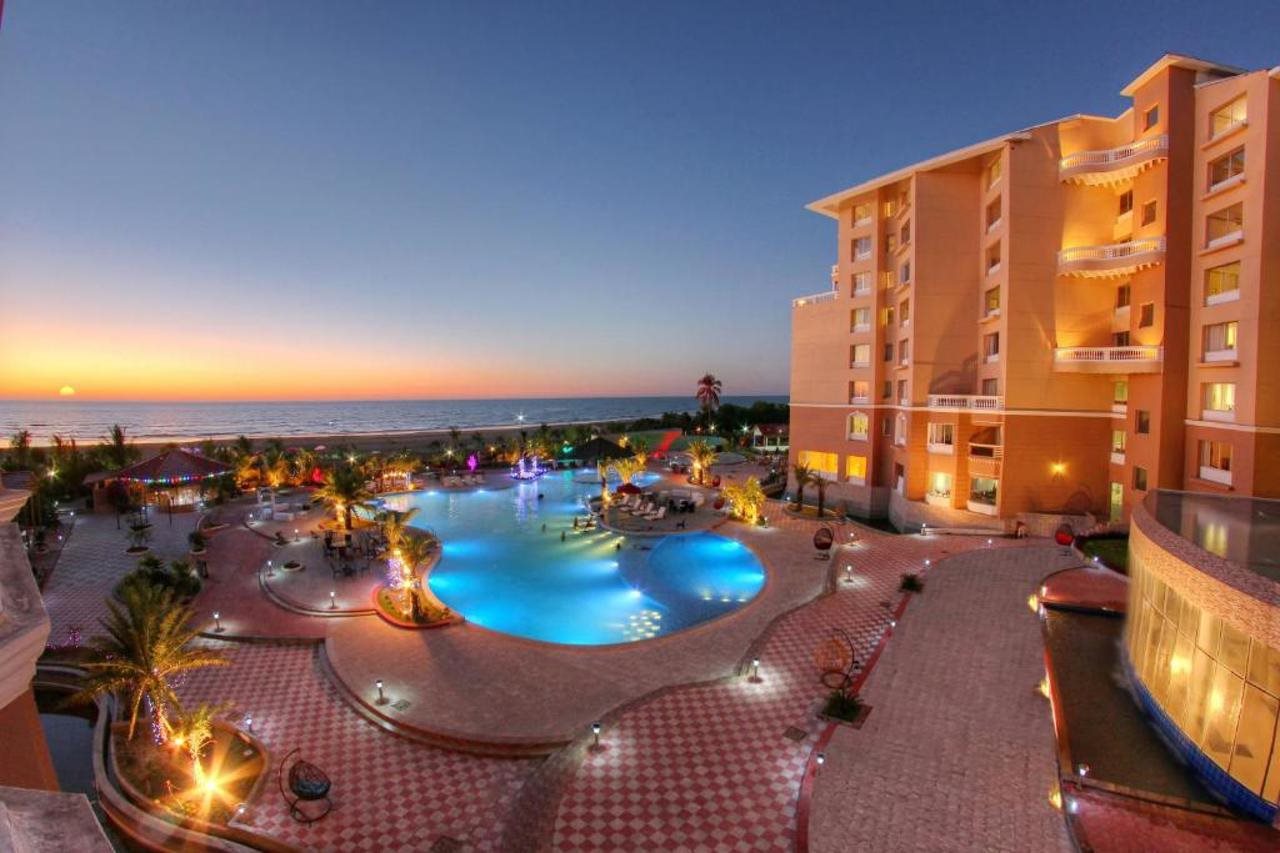
To make the most of a rain-free morning, book a hotel in Kolatoli or Sugandha, within walking distance of the beach. Kolatoli has many mid-range hotels (typically 2,000–4,000 taka per night in peak season) and is quieter than the central strip. Sugandha is closer to the fishing quarter and the main beach point. Both areas have restaurants open early for breakfast. Avoid hotels on the far north end of the beach if you plan to walk south; you will waste time in traffic.
For a splurge, the hotels along Marine Drive south of Kalatali offer sea views and direct beach access, but you will need transport to reach the fishing quarter. In the rainy season, check that your hotel has a backup indoor space, as mornings can be unpredictable. I would book a hotel in Kolatoli for its balance of convenience and value. The 7-day trend shows growing interest in Cox's Bazar hotels, so reserve early for November and December, when demand peaks.
Questions, answered
Hotels in Cox’s Bazar
See all stays →Curated picks are coming — meanwhile, the live search covers every bookable property at the same price or better.