Ilish maach: the national fish
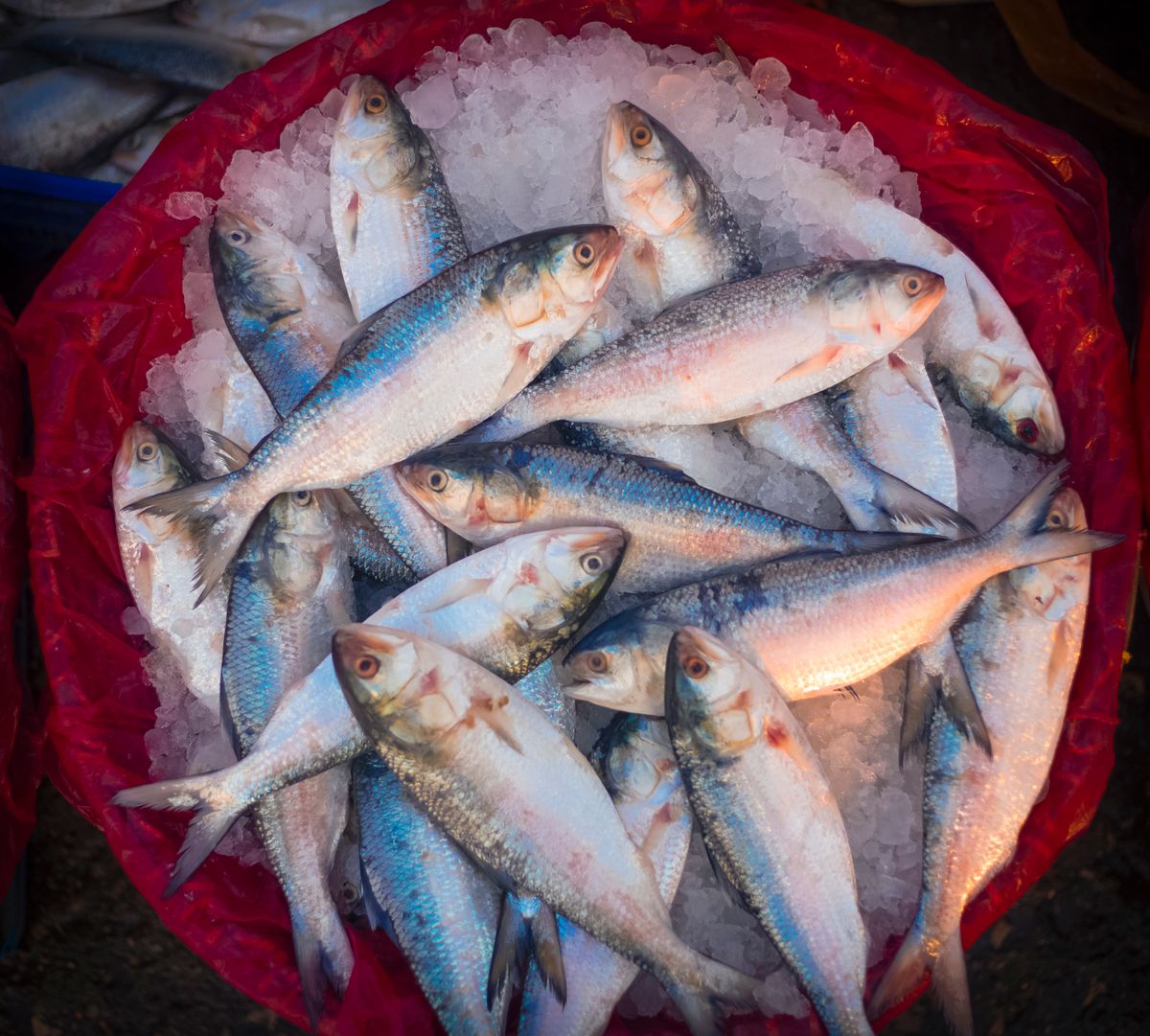
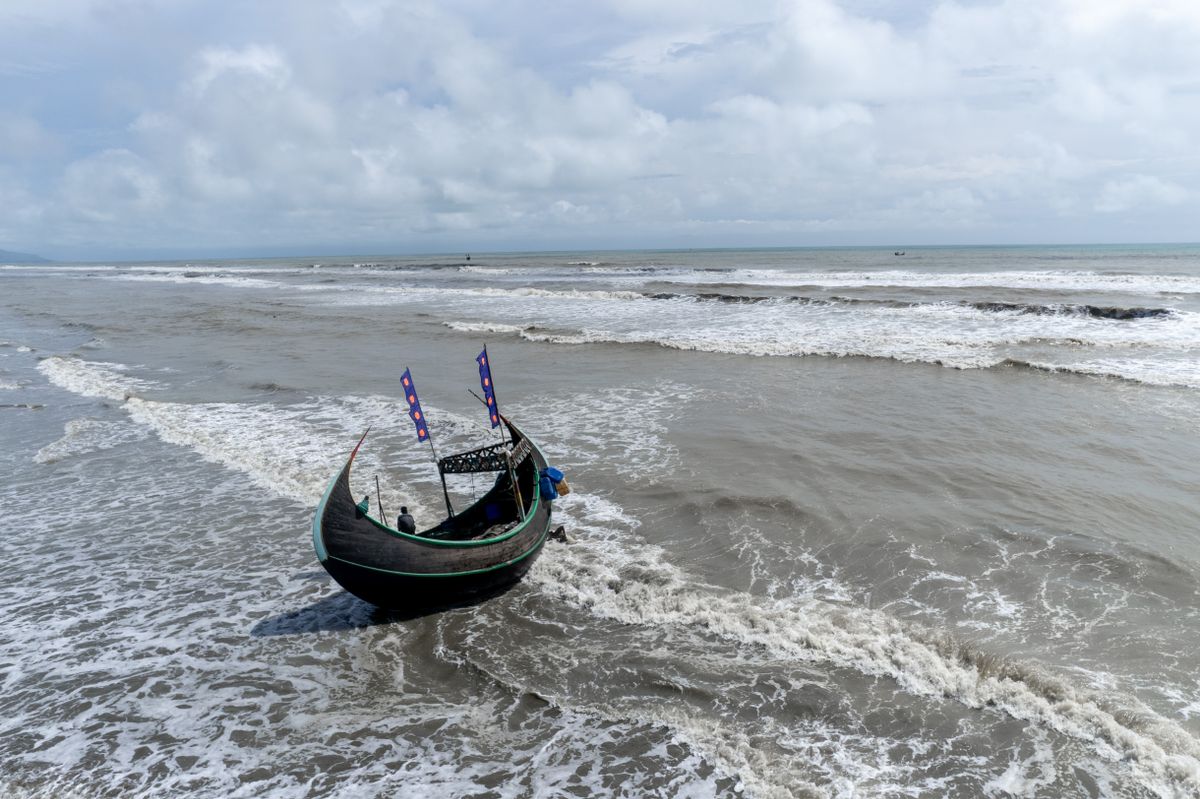
Hilsa (ilish) is Bangladesh incarnate—oily, bony, and revered. The fish is caught in the Bay of Bengal and rivers from June to October. In Cox's Bazar, it arrives fresh at Laboni Fish Market every morning. Restaurants prepare it in mustard curry (sorshe ilish) or steam it with eggplant. Expect 15-20 tiny bones per bite; locals pick them out with expert fingers. The flavor is rich, almost gamey, with a texture that flakes apart.
Best eaten at Poushee Restaurant near Kolatoli where a full plate with rice costs $5. They serve it Bengali-style: minimal spices, maximum fish. Alternatively, buy a fresh hilsa at the market for 800-1,200 taka and ask your hotel to cook it—many will for a small fee. Avoid hilsa in March or April when it is out of season and frozen imports replace the real thing.
Prawn malai curry
Giant prawns in coconut milk curry appear on every resort menu, but the best version is at Niribili Restaurant. Fresh prawns from the morning catch, cooked in coconut cream with green chilies and a touch of turmeric. The sauce is mild, slightly sweet, and clings to the prawns. Served with steamed rice or naan. A portion runs $10-12 but includes four jumbo prawns and enough sauce to soak an entire flatbread.
Street versions exist at the fish market stalls for half the price—smaller prawns, thinner sauce, but honest flavor. Ask them to dial down the chili if you cannot handle heat. Pair with plain rice, not biryani; the curry is too delicate for competing spices.
Beef tehari
Tehari is Bangladeshi biryani stripped to its core: beef, rice, and potatoes cooked in mustard oil with minimal spices. The result is less showy than Mughlai biryani but more satisfying. The beef is slow-cooked until it shreds, the rice picks up all the fat and flavor, and the potatoes dissolve into the mixture. It is heavy, filling, and costs 150-250 taka per plate.
Jhauban Hotel near Laboni Point serves the definitive version—order it at lunch when the pot is freshest. They pile the plate high, add a boiled egg and cucumber salad, and serve it on a metal thali. The restaurant has no ambiance and questionable hygiene, but the tehari is flawless. Eat it with your hands like the locals; forks just get in the way.
Shutki bhorta and panta bhat
Shutki is dried fish, pounded into a paste with chilies, onions, and mustard oil. The smell is overwhelming—fermented, oceanic, unforgettable. Locals eat it as a side dish with plain rice and lentils. Panta bhat is rice soaked overnight in water, then served with shutki, fried chilies, and onions. It is peasant food elevated to tradition, eaten especially on Pohela Boishakh (Bengali New Year).
You will not find this in resort restaurants. Try it at a tea stall near Ramu Bazaar where workers eat lunch. A full plate costs 80 taka and will either ruin your day or become your favorite meal. Start with a small amount—shutki is aggressively fishy and not for everyone. Wash it down with cha to cut the intensity.
Street snacks: fuchka, singara, and jhalmuri
Fuchka (pani puri elsewhere in South Asia) are crispy semolina shells filled with spiced tamarind water, chickpeas, and potato. Vendors set up carts near Kolatoli Circle every evening; six pieces cost 30 taka. The water is tangy, spicy, and potentially made from tap water—risk it or skip it. Singara are samosas stuffed with spiced vegetables, deep-fried until golden, and sold for 10 taka each. Dunk them in green chili sauce.
Jhalmuri is puffed rice mixed with chopped onions, chilies, mustard oil, and roasted peanuts, served in a paper cone. It is crunchy, spicy, and addictive. Beach vendors sell it for 20 taka while you walk. All three are best eaten hot and fresh; avoid stalls where the oil looks dark or the fuchka water sits uncovered in the sun.
Questions, answered
Hotels for this guide
See all stays →Curated picks are coming — meanwhile, the live search covers every bookable property at the same price or better.