Laboni Fish Market
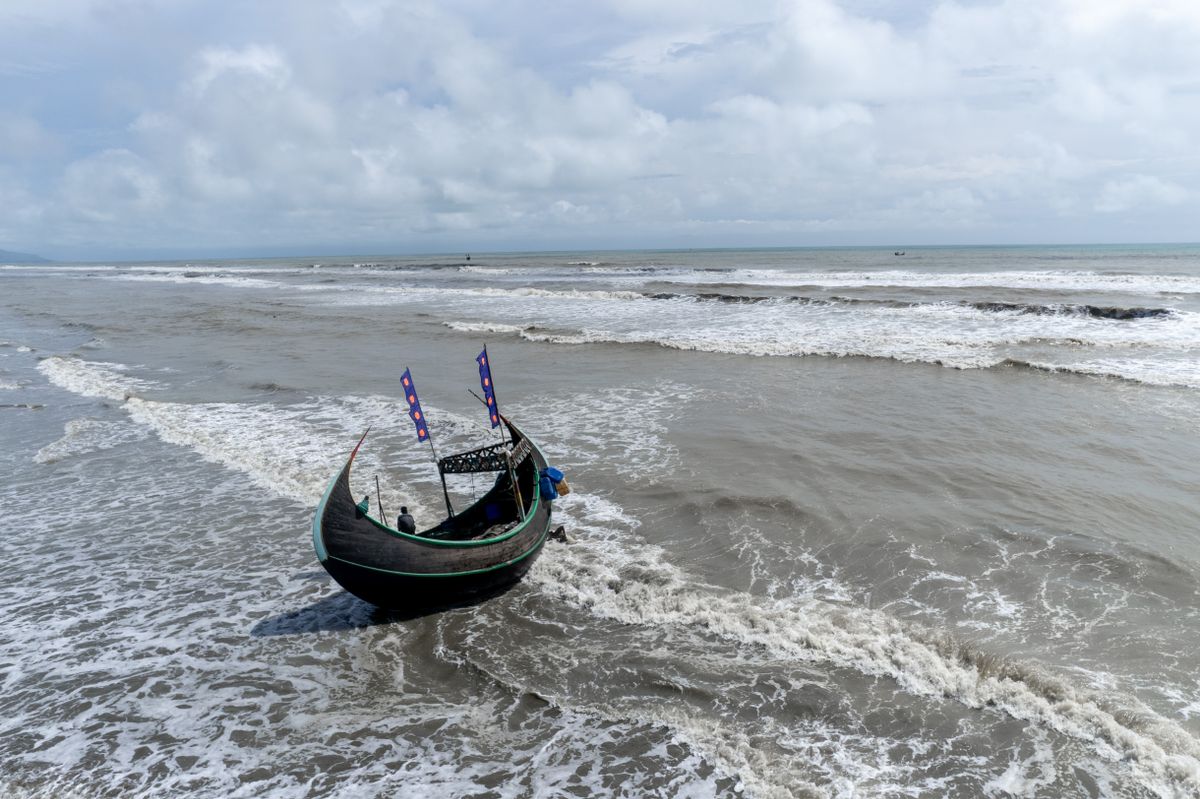
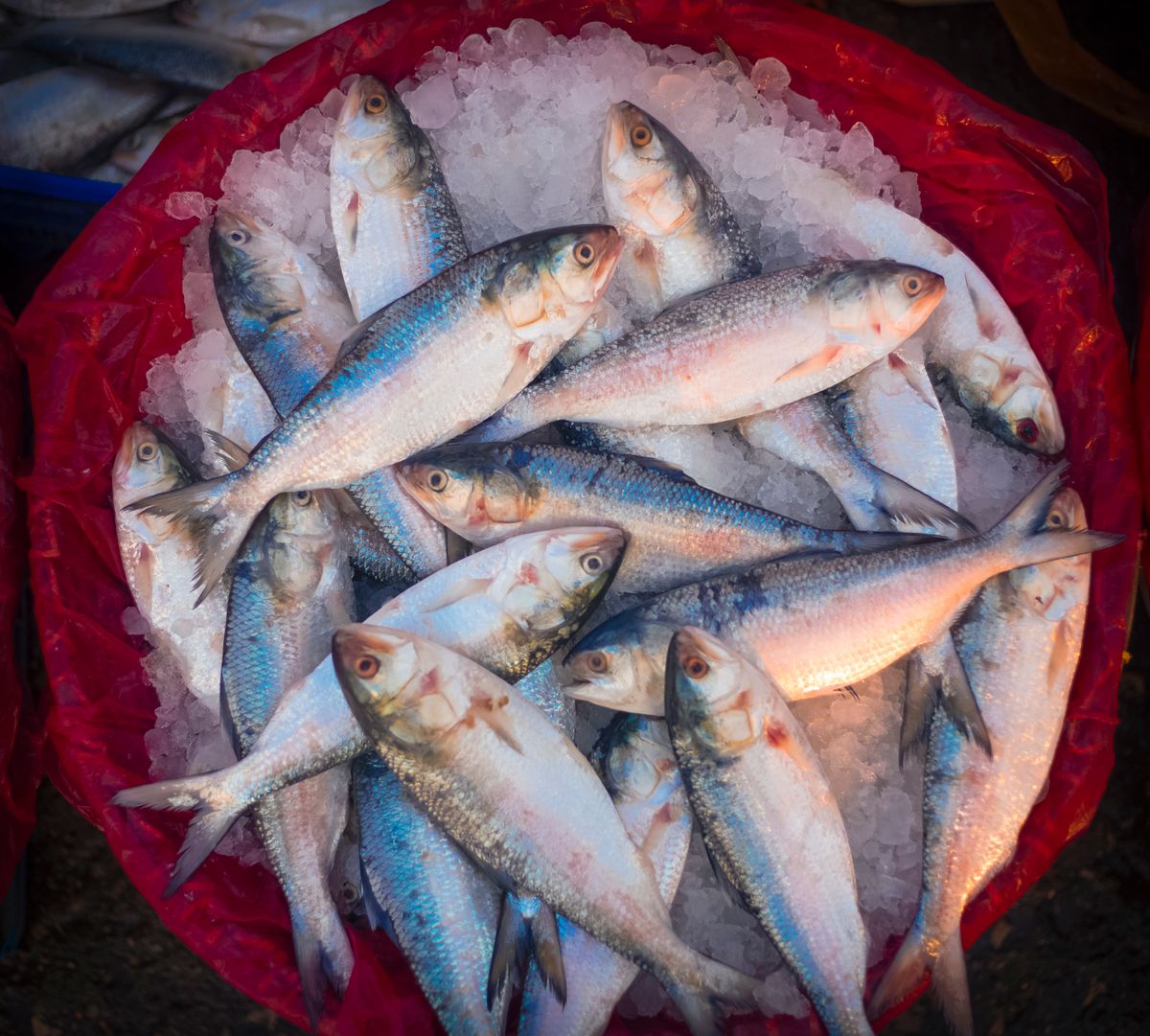
The largest fish market in Cox's Bazar operates daily from 5 AM to 9 AM near Laboni Point. Fishermen unload overnight catches directly onto the sand, and buyers crowd around shouting bids in rapid Bengali. You will see hilsa, pomfret, prawns, crabs, squid, and fish you cannot identify. The smell is intense, the noise overwhelming, and the spectacle worth setting an alarm for.
Tourists can buy fish but need to bargain hard—sellers assume foreigners will overpay. A kilo of prawns runs 800-1,200 taka depending on size; pomfret is 500-700 taka. Most hotels will cook your purchase for 200-300 taka. Arrive by 6 AM for the best selection. Bring cash in small bills; no one has change for 1,000 taka. Wear sandals you can rinse—the ground is wet, fishy, and littered with scales.
Burmese Market
Located on Main Road near the town center, this covered market sells goods from Myanmar brought over by Rohingya and Rakhine traders. You will find thanaka paste (a natural cosmetic powder), betel nut boxes, woven longyi fabric, lacquerware trays, and jade-colored glass sold as gemstones. Prices start high; bargain down to 50-60% of the opening quote. A woven bag that opens at 800 taka should close at 400-500.
The market operates daily from 9 AM to 8 PM but is liveliest in the afternoon. Avoid the coral jewelry stalls—nothing is real coral, it is all bleached shells and resin. Do buy spices: turmeric, cardamom, and dried chilies are fresher and cheaper than supermarket versions. A small bag of thanaka costs 150 taka and makes a unique souvenir. Carry a shopping bag; vendors rarely provide them.
Kolatoli Bazaar
This sprawling daily market behind Kolatoli Circle is where locals shop for vegetables, rice, lentils, and household goods. Tourists come for fresh tropical fruit—pineapples (80 taka), mangoes (60 taka per kilo in season), and bananas (40 taka per dozen). The produce is fresher than hotel fruit platters and a fraction of the cost. Vendors also sell dried fish, pickles, and homemade sweets like roshogolla and sandesh.
The market gets crowded after 5 PM when everyone shops for dinner ingredients. Go mid-morning for elbow room and better prices. Hygiene is questionable—wash all fruit before eating. The textile section sells cheap sarongs, lungis, and cotton tunics for 300-500 taka. These are practical for beach cover-ups and temple visits. Bargaining is expected; pay in cash and count your change.
Jhauban Night Market
This temporary market sets up along Beach Road near Jhauban every evening from 6 PM to 11 PM. The focus is street food: grilled corn (30 taka), fried chicken (100 taka for two pieces), sugarcane juice (20 taka), and various sweets. Vendors also sell cheap clothing, phone accessories, and toys. Quality is low but prices match—flip-flops for 150 taka, sunglasses for 200.
Come here for the atmosphere more than shopping. The crowd is local families, teenage groups, and couples. It is safe, lively, and a good way to spend an hour after dinner. Avoid the jewelry stalls—everything is fake. The best find is fresh coconut water (40 taka) served straight from the shell while you walk the beach. Bring small bills; most vendors cannot break 500 taka.
Ramu Bazaar
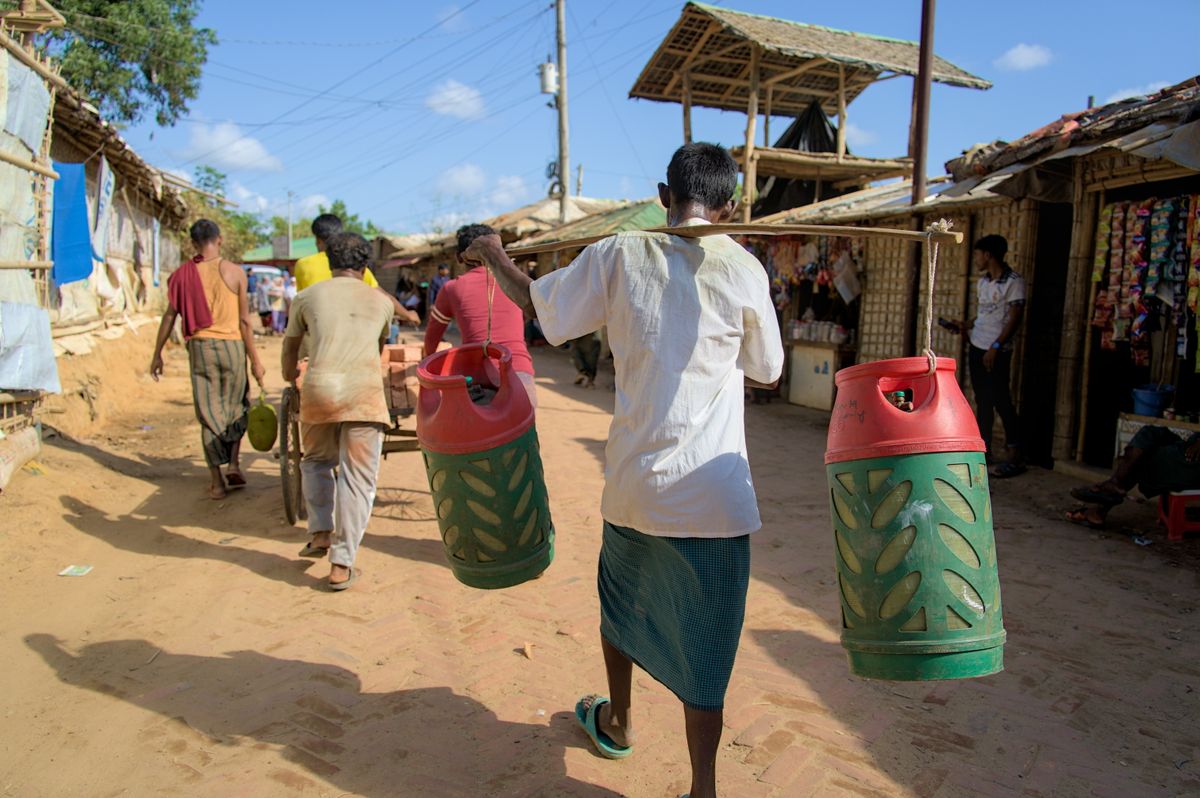
Ramu town has a traditional bazaar that operates daily and serves the surrounding villages. It is 40 minutes from Cox's Bazar and worth combining with a temple visit. The market sells less to tourists and more to locals: betel leaves, bamboo baskets, clay pots, hand-woven mats, and dried fish. Prices are half what you pay in Cox's Bazar for similar items.
A woven sitting mat costs 200-300 taka, bamboo baskets 150-250. The handicrafts are functional, not decorative—locals actually use them. The food section has vendors selling singara, cha, and sweets. Eat lunch at a stall for 60-80 taka. The market peaks mid-morning and dies down by 2 PM. No English, no credit cards, no tourist infrastructure—bring cash and patience.
Questions, answered
Hotels for this guide
See all stays →Curated picks are coming — meanwhile, the live search covers every bookable property at the same price or better.