Where to Find Food on Inani Beach
Inani Beach stretches for about 10 kilometres south of Cox’s Bāzār town, along Marine Drive. The sand is firm and golden, and the water is clear enough for wading. Food stalls cluster near the main access points: opposite the Inani Para bus stop, at the Himchari junction, and near the handful of hotel gates that open directly onto the beach. Most are simple bamboo-and-tin structures run by local families. They open around 8am and close shortly after sunset, so plan your main snack stop for late afternoon when the light softens and the sea breeze picks up.
If you are staying in Cox’s Bāzār town rather than at Inani, the drive down Marine Drive takes 30–40 minutes by car or CNG (auto-rickshaw). A round trip costs roughly BDT 800–1,200, so it makes sense to combine snacking with a half-day at the beach. Buses from Cox’s Bāzār’s central bus stand also run to Inani Para every 20–30 minutes until about 6pm. Once you are on the beach, you will not find table-service restaurants—just stalls, a few concrete benches and the occasional shaded hut. Bring small notes; change for BDT 500 can be hard to come by.
The Snacks You Should Not Miss
The most common snack is grilled corn on the cob, roasted over charcoal and rubbed with lime, chilli and salt. It costs BDT 30–50 and is best eaten hot, straight off the fire. You will also see green coconuts piled high; a fresh one costs BDT 60–80 and the vendor will cut a straw for you. For something more substantial, look for Bengali-style fuchka (crisp hollow shells filled with potato and chickpeas) or jhalmuri (puffed rice tossed with mustard oil, onion and green chilli). Both are light, cheap and widely sold near the Himchari junction. Skip any stall that looks deserted—freshness matters with these.
Seafood is the other draw, but at Inani you are mainly buying small plates rather than full meals. Expect grilled or fried fish—often rupchanda (pomfret) or koral (sea bass)—served with a wedge of lime and a handful of salad. A small plate for one person costs around BDT 200–300. Ask to see the fish before it is cooked and confirm the price by weight. Do not expect chips or Western sides; the stalls keep it simple. If you want a proper sit-down seafood lunch, better to eat in Cox’s Bāzār town at one of the restaurants near Kolatoli Circle before driving down.
Small Meals and Where to Sit
For a light meal, the beach stalls offer egg paratha (flaky flatbread with a fried egg inside), vegetable khichuri (rice and lentils) and sometimes chicken curry. A plate of egg paratha costs BDT 40–60; khichuri with a boiled egg is BDT 80–100. Portions are modest—think of it as a snack to tide you over, not a full dinner. The best time to eat a hot meal is between 12pm and 2pm, when the stalls cook fresh batches. After 4pm, the selection narrows to grilled corn, coconut and packaged biscuits. If you have dietary restrictions, stick to fruit and sealed drinks; the stalls are not set up for special requests.
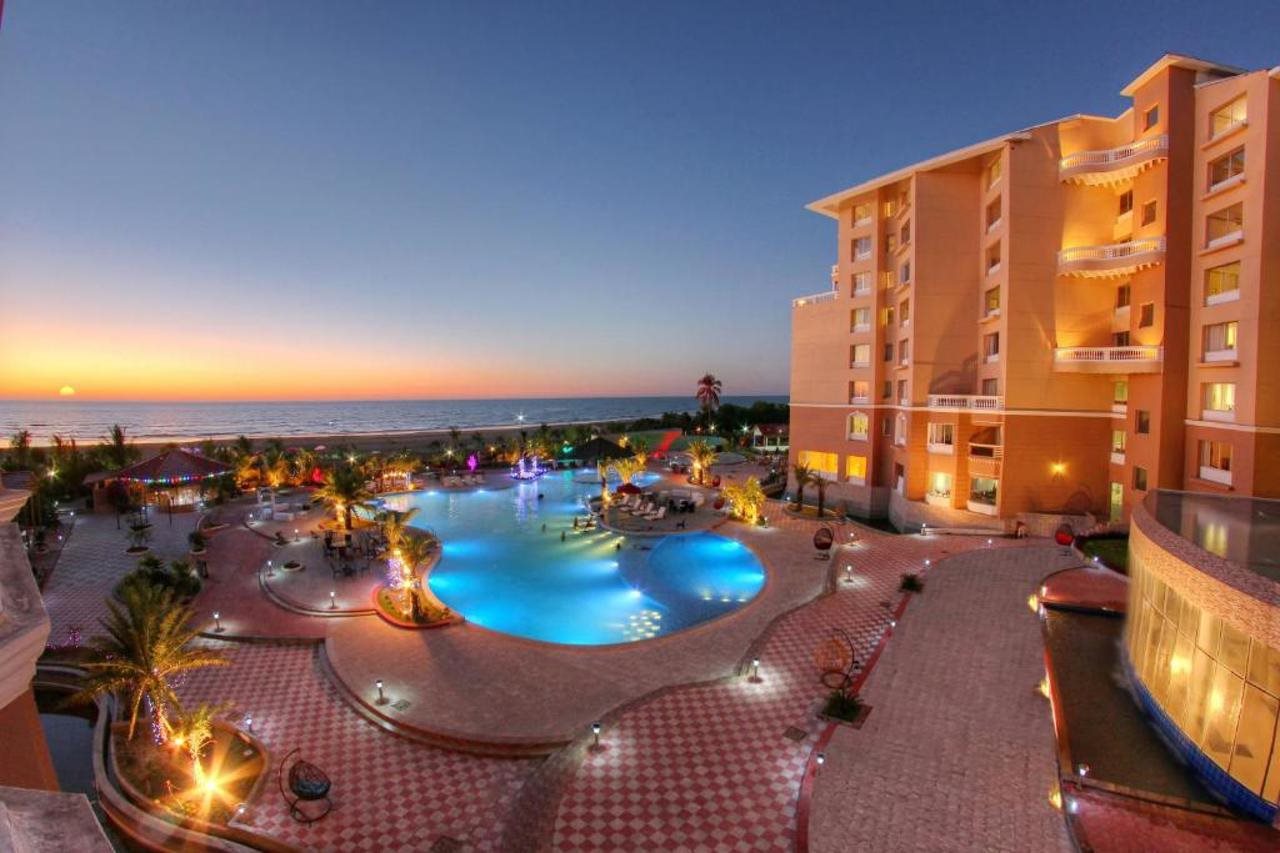
Seating is basic: shared benches under tarpaulin shades, sometimes just a plastic chair on the sand. You will be asked to pay before eating at most stalls. Carry hand sanitiser and a packet of tissues—there are no washrooms beyond the occasional paid public toilet near the bus stop (BDT 10–20). My advice is to book a hotel with its own restaurant if you plan to spend a full day at Inani. Properties along Marine Drive, such as those near Himchari, offer lunch and dinner with proper seating and filtered water, and you can walk back to the sand afterwards. Use the site’s map view to compare options close to the beach access points.
Practical Tips for Eating at Inani
The best months for a beach snack run are November to February, when the weather is dry and the sea is calm. Avoid the monsoon (June to September), when many stalls close and Marine Drive can be slick. Ramadan changes the rhythm: stalls open after sunset for iftar, and the beach is busy late into the evening. Bring cash in small denominations, as mobile money agents are scarce. Prices are rarely marked, so ask before you order—a fair price for a coconut is BDT 60–80, and for a small fish plate BDT 200–300. Tipping is not expected but rounding up by BDT 10–20 is appreciated.
If you are sensitive to chilli heat, say “kom jhal” when ordering. Vegetarians will find limited hot options beyond khichuri and egg paratha; fruit from the town market is a safer bet. I would skip the packaged ice cream from the freezer boxes—it often sits half-melted in the sun—and choose a fresh coconut or a bottle of water instead. After eating, take your rubbish with you; bins are rare. For stays, I would book a hotel in Cox’s Bāzār town if you want more dining variety, or a beachfront property near Inani if you prefer early morning walks without the drive. Both are bookable through the site.
Related articles
Questions, answered
Hotels in Cox’s Bazar
See all stays →Curated picks are coming — meanwhile, the live search covers every bookable property at the same price or better.