What Laboni Point Actually Sells
Laboni Beach Road runs inland from the sand at Laboni Point, and most of the shopping a visitor will do in Cox's Bāzār happens along its first few hundred metres. The mix is roughly three parts: locally made textiles and handicrafts, dry foodstuffs from the surrounding districts, and imported beach goods from Chattogram and beyond. Shops open around 9am and stay busy until well after dark; the stretch between the beach entrance and the Hotel Sea Palace area is the densest. Bring small notes and expect to negotiate on anything without a marked price — bargaining is normal and unhurried, not aggressive.
The genuinely local products are worth your attention first. Cox's Bāzār and the hill districts behind it produce cotton lungi, sarongs and handloom yardage, often in checked or striped patterns, sold folded on tables rather than hung. Look also for bamboo and cane work from Ramu and Ukhiya — baskets, small trays and mats — and dried fish from the drying yards along the Bakkhali river, sold in sealed packets. Shutki is pungent and divides opinion, but it is the region's most authentic edible souvenir and keeps for months if the packet is sound.
Textiles, Shells and the Things to Skip
Textiles are the best value. Cotton sarongs and lungi typically sit in the low hundreds of taka, handloom bedspreads and tablecloths in the several hundreds; batik wall hangings and block-printed cushion covers commonly run a little higher. Check seams, ask whether dye is colourfast, and hold fabric up to the light — thin, loosely woven cloth that shows daylight will not survive a wash. For shell and coral, be careful: Bangladesh restricts the collection and sale of reef material, and fresh-looking coral and large cowries sold cheaply are best left. Buy carved wood, coconut-shell bowls and cane instead.
Several stall categories are not worth your money. Brand-name sunglasses, watches and bags sold on the beach road are copies, however confident the seller; the same is true of most electronics accessories, which fail quickly in salt air. Skip the generic souvenirs printed with stock beach imagery and the children's toys in brittle plastic. If you want a gift that carries the place, a handloom throw, a cane basket or a small wooden model boat from the beachfront carvers will cost less and last longer than anything branded. Ask for prices in taka and keep the transaction simple.
Timing, Bargaining and Getting It Home
Go in the late afternoon, from about 4pm, when stallholders set out full stock and the light is better for judging fabric; mornings are quieter but many tables are still being set up. High season runs roughly November to February, when the road is crowded and prices firm; in the monsoon months of June to September many stalls close and the beach itself is not swimmable, though hotel rates drop sharply. Laboni is about 10 minutes' drive from the main bus terminal at Dolphin Mor and 15–20 from the Kalatali and Sugandha stretches, so it is easy to combine with a beach walk.
Bargaining works best as a friendly exchange: ask the price, offer about two-thirds, and settle where you are comfortable walking away. Do not open negotiations you do not intend to finish. Pack textiles flat and dry, double-bag dried fish, and remember that liquids and pastes must go in checked baggage. If you are flying out of Cox's Bāzār airport, leave the dried fish well sealed. Staying within walking distance of Laboni Point removes the transport problem entirely and lets you shop in the evening without a rickshaw negotiation at the end of it; for a beach-focused short trip, I would book a hotel on or just off Beach Road rather than at Kalatali, and walk.
Where to Base Yourself for the Shops
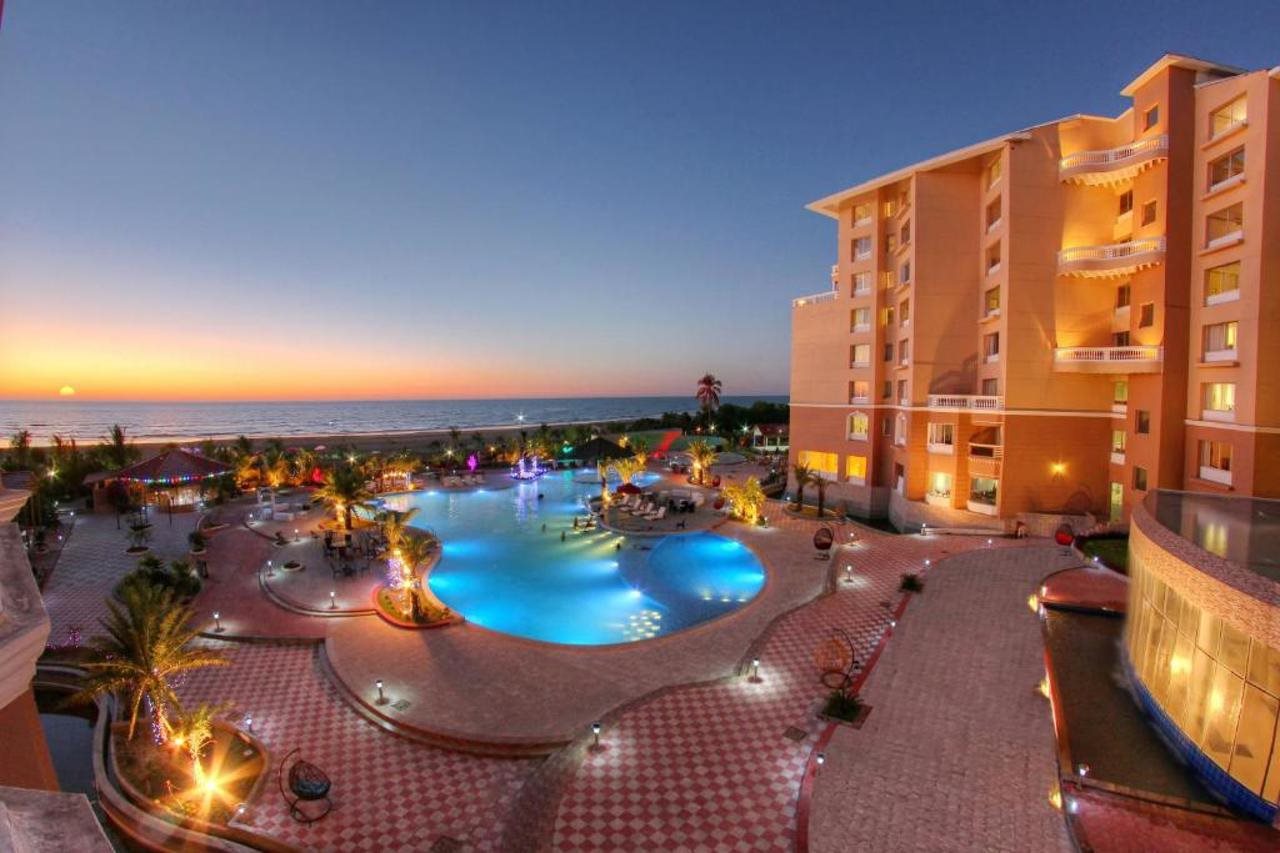
The neighbourhoods matter more than the individual hotels. Beach Road around Laboni Point puts you in the middle of the shopping, five minutes from the sand, with restaurants and CNG auto-rickshaws on the doorstep; it is the noisiest and most convenient option. Kalatali, a kilometre or so north, is quieter and more spread out, with a longer walk to the Laboni stalls. Sugandha and the area near the Marine Drive turn-off suit travellers with a car or a preference for calmer evenings. None of these are far apart — the whole seafront is a few kilometres — so choose on atmosphere and walkability rather than distance alone.
Book a room with air conditioning and a working generator between March and October; the heat and humidity are the deciding factors, not the view. Confirm the hotel is inside Cox's Bāzār municipality proper if you want to walk to Laboni, and check the cancellation terms before high season, when decent rooms fill early. A short trip built around the beach, the shops and one day trip to Himchari or Inani works best with two nights at Laboni and a third further along Marine Drive. Reserve ahead for December and January, and travel light enough to carry what you buy.
Questions, answered
Hotels in Cox’s Bazar
See all stays →Curated picks are coming — meanwhile, the live search covers every bookable property at the same price or better.