Getting to Sonadia from Cox's Bāzār
Sonadia Island lies about 7 kilometres north of Cox's Bāzār along the coast, near the mouth of the Matamuhuri River. The usual route is by road to the Moheshkhali Channel crossing at Ghat No. 6, then a local boat or trawler across to Moheshkhali island, followed by a short walk or rickshaw to the Sonadia channel. From there, a second boat crosses to Sonadia itself. The whole journey takes around 1.5 to 2 hours each way, depending on wait times at the jetties. A CNG auto-rickshaw from Cox's Bāzār town to Ghat No. 6 costs roughly BDT 200–300, and the boat crossings are usually shared and cost BDT 50–100 per person per leg. Hiring a private boat for the day gives more flexibility and typically costs BDT 1,500–2,500, which can be split among a group.
Alternatively, you can take a local bus or minibus from Cox's Bāzār bus station towards Chakaria or Matarbari and get off at the Moheshkhali turning, but this adds complexity and time. For most visitors, the Ghat No. 6 route is the most straightforward. If you prefer not to organise the logistics yourself, many hotels in Cox's Bāzār can arrange a guided trip with transport and boats included, which simplifies the day but costs more. The key is to start early enough to be on Sonadia during the low-tide window, which shifts daily. Check a local tide chart or ask your hotel the day before.
Understanding the Tide and Best Months
Sonadia Island is a tidal sandbar, and at high tide much of it is submerged. The best time to visit is during low tide, especially the two hours either side of the low-tide mark, when the sand is exposed and you can walk across the flats. Low tide occurs roughly twice a day, about 50 minutes later each day, so the timing changes daily. For a reliable window, aim to arrive at the island about an hour before low tide and leave about an hour after, giving you around two hours on the sand. The island is only accessible by boat, and boatmen will know the tide schedule. The best months for a visit are November to February, when the weather is dry and the sea is calm. March to May is hotter and more humid, but still feasible. The monsoon months of June to September bring rough seas and frequent showers, making boat trips unpredictable and potentially unsafe; many boatmen will not cross during bad weather. If you visit during the monsoon, have a backup plan.
During low tide, you can walk along the exposed sandbars, observe fishing activities, and see local fishermen drying fish. The island is uninhabited, with no facilities, so bring water, snacks and sun protection. The walk from the boat landing to the main sandbar can take 15–20 minutes over wet sand, so wear footwear that can get wet. The island is also a nesting ground for sea turtles, though sightings are rare. The best months for clear skies and calm seas are December and January, but these are also the busiest times in Cox's Bāzār, so book accommodation early. February and November offer a good balance of pleasant weather and fewer crowds.
What to See and Do on Sonadia
Sonadia Island is not a typical beach destination with cafes and sunbeds. It is a place for quiet walks, birdwatching and experiencing a working coastal landscape. The main attraction is the vast expanse of sand and shallow water at low tide, where you can walk for hundreds of metres. The island is also known for its dried fish processing; you will see rows of fish drying on bamboo mats, a common sight in the region. Birdwatchers may spot migratory birds during winter, including gulls, terns and waders. There are no shops or restaurants on the island, so bring your own food and water. The island is also used by local fishermen, and you can watch them repairing nets and preparing boats. Do not expect any tourist infrastructure; this is a raw, natural experience. Many visitors combine a visit to Sonadia with a trip to Moheshkhali island, which has the Adinath Temple and a lively fishing port. However, fitting both into one afternoon is rushed; it is better to choose one.
For a relaxed afternoon, I would book a trip that focuses solely on Sonadia, allowing enough time to walk and observe without rushing. Avoid the temptation to combine too many stops; the boat transfers eat into your time. If you are interested in local culture, the fishing communities on Moheshkhali are worth a separate visit. On Sonadia, respect the fishermen's work and ask before taking photographs. There are no changing facilities or toilets, so plan accordingly. The island is also a sensitive ecosystem; take all rubbish back with you and avoid disturbing wildlife. The experience is best suited to travellers who enjoy nature and simplicity rather than those seeking entertainment or comfort.
Where to Stay in Cox's Bāzār
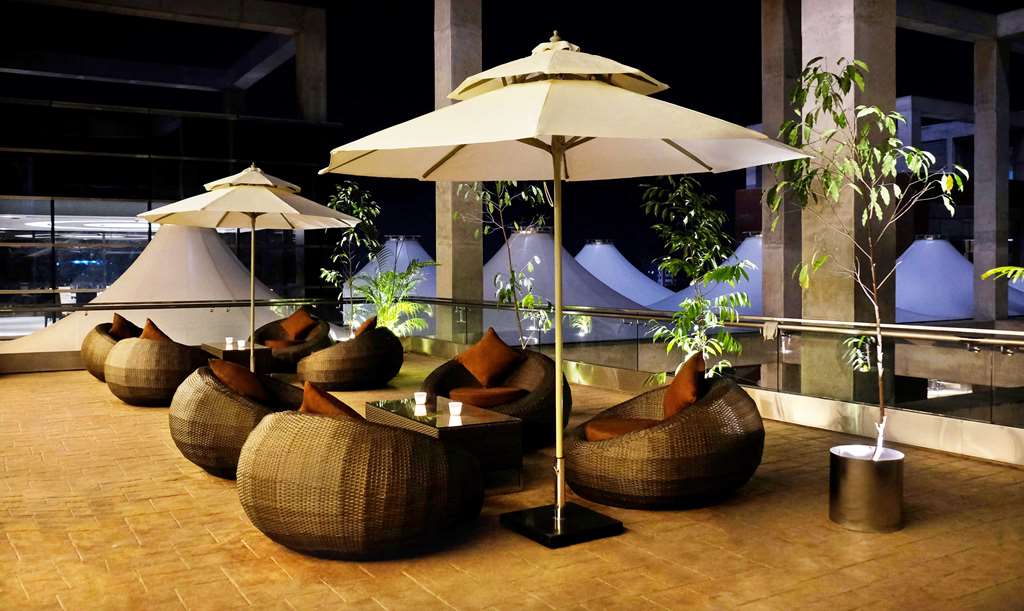
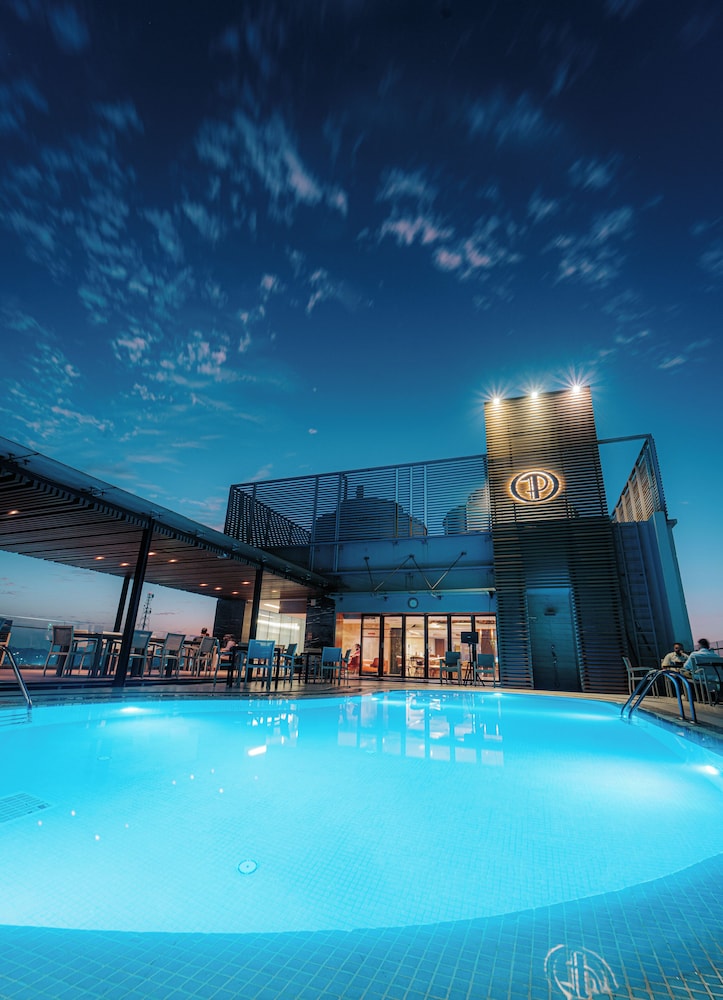
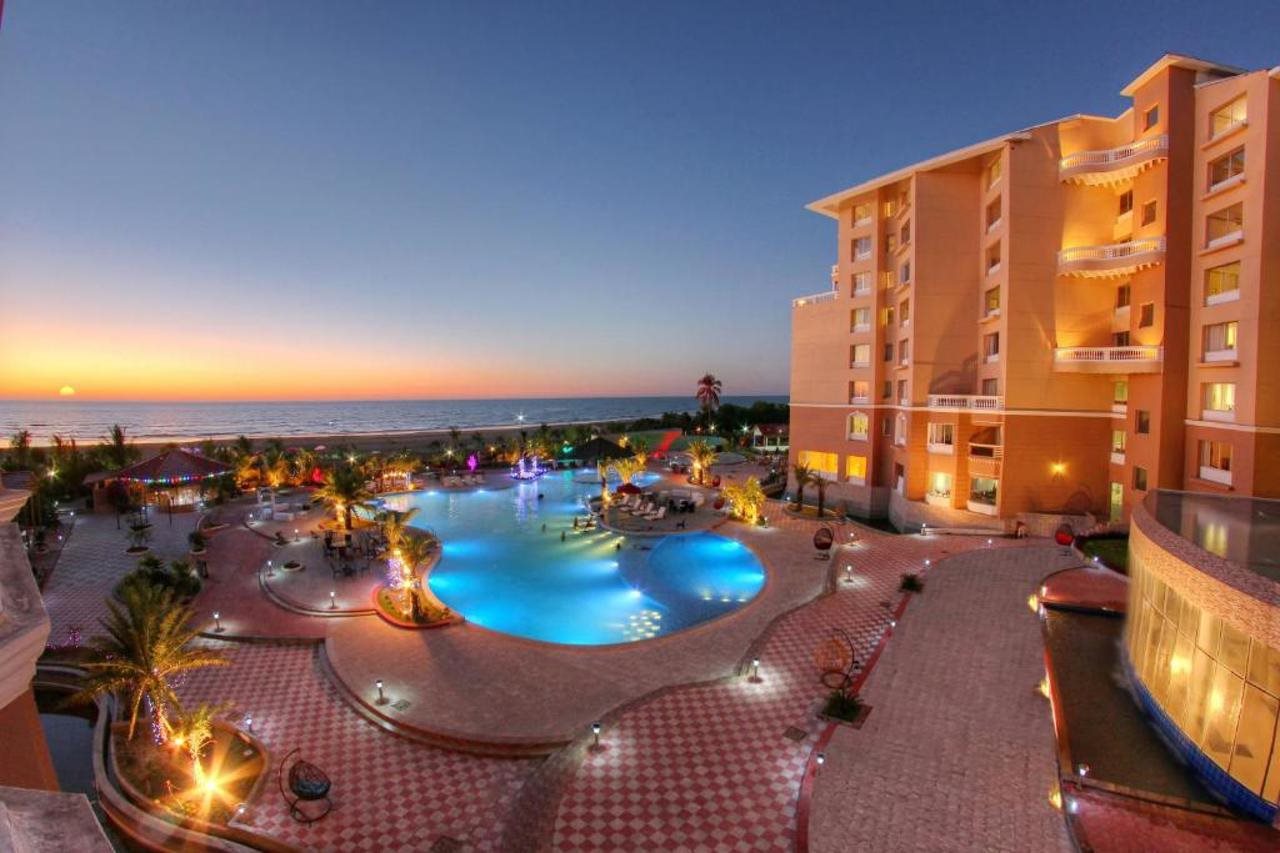
Cox's Bāzār has a wide range of accommodation, from budget guesthouses to upscale resorts. The most convenient areas for a Sonadia trip are Kolatoli and Sugandha Point, which are close to Ghat No. 6 and have many hotels. Kolatoli Circle is a hub with numerous hotels, restaurants and shops, and is about a 10-minute CNG ride from the ghat. Sugandha Point is slightly further north but offers quieter surroundings and easy beach access. If you prefer a livelier atmosphere, the area around Laboni Point has more budget options and street food. For a comfortable stay, I would book a hotel in Kolatoli, as it balances convenience and choice. Prices vary by season: in peak winter (December–January), expect to pay around BDT 3,000–6,000 per night for a mid-range hotel; in off-peak months, rates can drop to BDT 1,500–3,000. Book early if you are travelling during holidays or weekends.
When choosing a hotel, consider proximity to Ghat No. 6 and whether they can arrange transport to Sonadia. Some hotels offer package tours that include boat rides and a guide. However, these can be pricier than organising it yourself. If you want flexibility, book a hotel that can help with boat hire. Also, check if the hotel has a restaurant, as eating options near the ghat are limited. For a budget stay, the area around Laboni Point has basic guesthouses, but they may be noisier. For families, Kolatoli has more mid-range hotels with amenities. Avoid hotels that are too far from the beach or the ghat, as you will spend extra time and money on transport. The peak season is busy, so ensure your booking is confirmed and keep a copy of the reservation.
Related articles
Questions, answered
Hotels in Cox’s Bazar
See all stays →Curated picks are coming — meanwhile, the live search covers every bookable property at the same price or better.