Ramu and Kutubdia as Day Trips from Cox's Bāzār: A Three-Day Plan Without a Car
How to reach the Buddhist villages of Ramu and the island of Kutubdia from a Cox's Bāzār base using buses, CNGs and ferries, with realistic timings and what to skip.
Day One: Acclimatise in Cox's Bāzār, Then Ramu by Bus
Land in Cox's Bāzār and treat the first morning as a settling-in session rather than a dash. The town runs along the beach strip from Kolatoli to Sugandha Point, and most hotels cluster between Kolatoli Circle and the缅甸 market area, which puts you within walking distance of the sand. Use the morning to confirm bus times at the counters near Dolphin Circle and to change money; the beach road has several banks and ATMs but they run dry at weekends, so carry cash. After lunch, take a local bus or a shared CNG from the Kalatali bus stand towards Ramu, roughly 35 kilometres east and about an hour in light traffic. Buses leave often through the afternoon and the fare is modest; a reserved CNG costs more but leaves on your schedule.
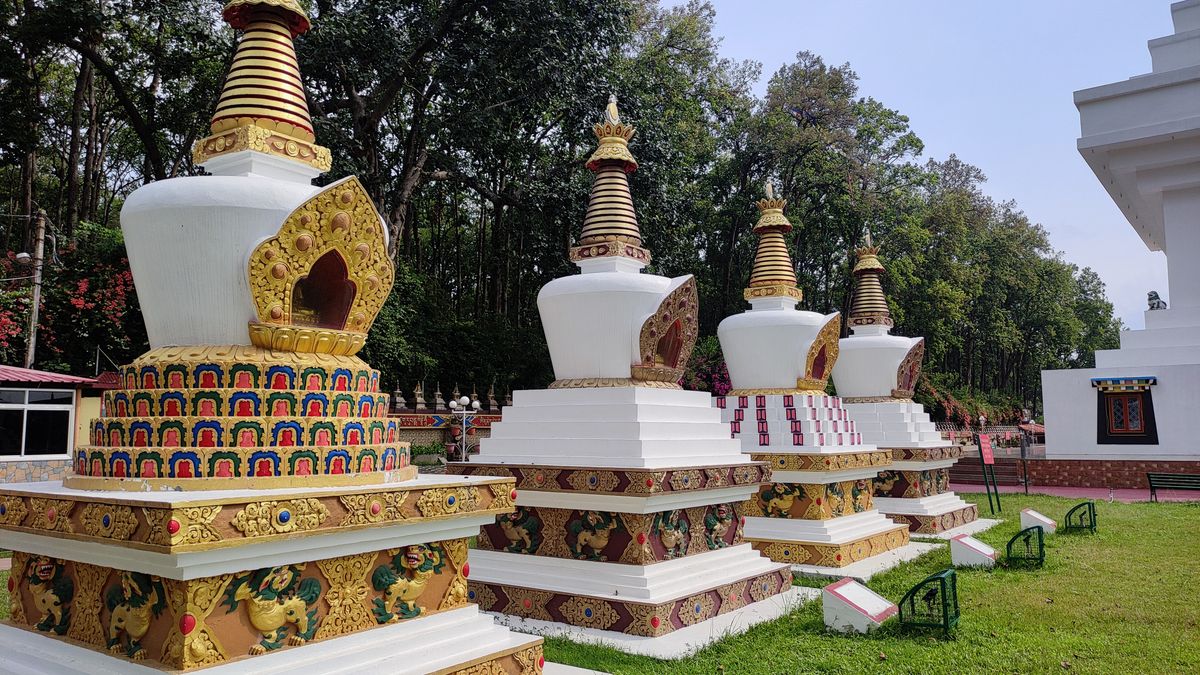
Ramu itself is a small town on the banks of the Sangu, and the reason to come is the cluster of Buddhist temples and monasteries around the village of Ramu, known locally as a centre of Rakhine culture. The most visited site is the Jhadi Khyang or Ramu Central Monastery, with its tiered roofs and quiet courtyards, and the older brick stupa nearby. Dress respectfully, cover shoulders and knees, and remove shoes before entering any shrine. Late afternoon light is best for photographs. Return to Cox's Bāzār before dusk; buses thin out after 6pm and the road back is unlit in stretches.
Day Two: Kutubdia Island Without Your Own Vehicle
Kutubdia lies about 40 kilometres south of Cox's Bāzār as the crow flies, but the journey is a half-day affair. You do not need a car. Take a bus or a shared CNG from Cox's Bāzār towards Chakaría or the Kutubdia jetty road, then board the local ferry or a trawler crossing to the island. Crossings are short but depend on tide and weather, and services are busiest in the morning. The island is best known for its salt pans, its boat-building yards, and the remains of an old lighthouse on the western shore. There are few formal hotels, so plan this as a day trip and sleep back in Cox's Bāzār. Confirm the last return crossing before you leave the mainland, and build in slack.
On the island, walking and rented motorcycles will get you between the jetty, the salt fields and the beach. The salt pans are most active from November to April, when the flat beds reflect the sky and workers rake the crystals; this is the best window for a visit. Carry water and snacks, as eateries are basic and scattered. Midday heat between March and May is punishing, so start early. If you would rather not manage tide timetables, a local guide arranged through your hotel can simplify the day considerably, and the cost is usually shared across a small group.
Day Three: Marine Drive, Himchari and Inani by Local Transport
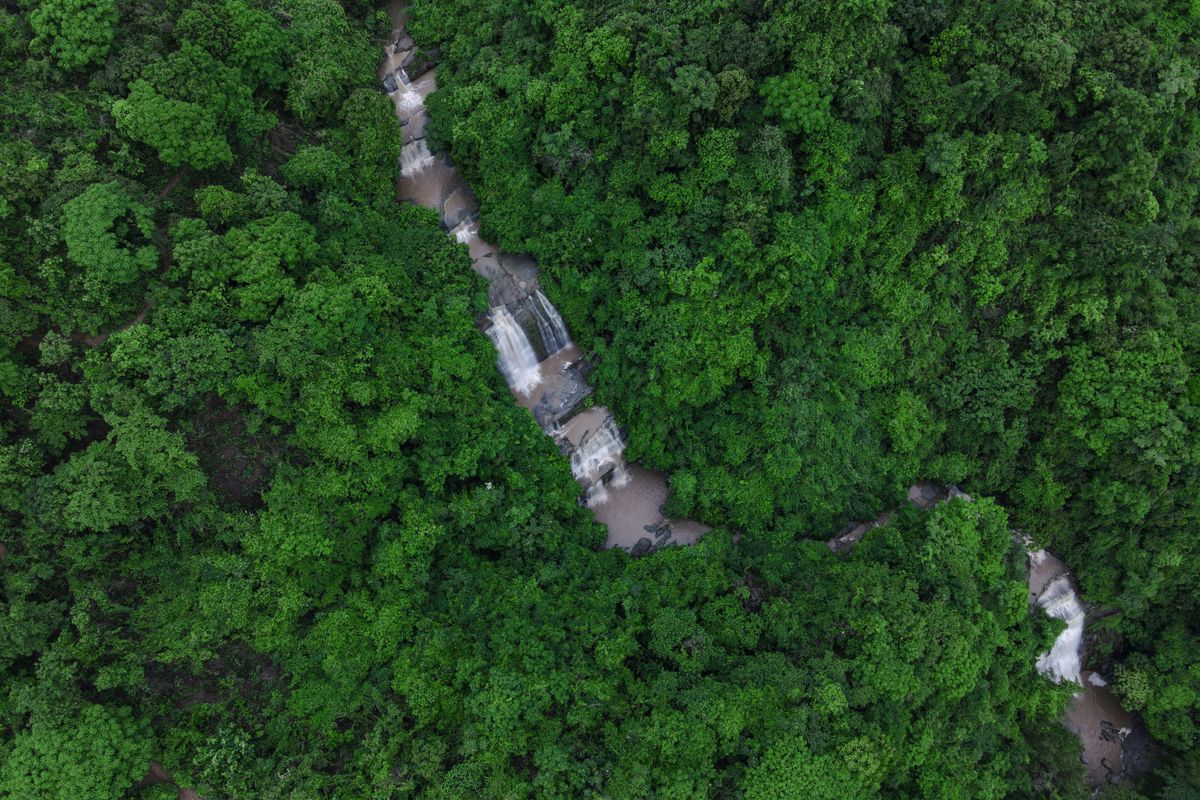
Spend the third day on the Cox's Bāzār side of the equation. The Marine Drive road runs south from Kolatoli towards Himchari and Inani, and shared jeeps and buses ply the route through the morning. Himchari is about 12 kilometres from town and has a small hilltop viewpoint and a waterfall that only runs in the monsoon. Inani, a further 10 kilometres on, has a quieter beach and a handful of simple seafood restaurants. Both are easy to combine in one loop. The road is scenic but winding; allow an hour each way if you stop often.
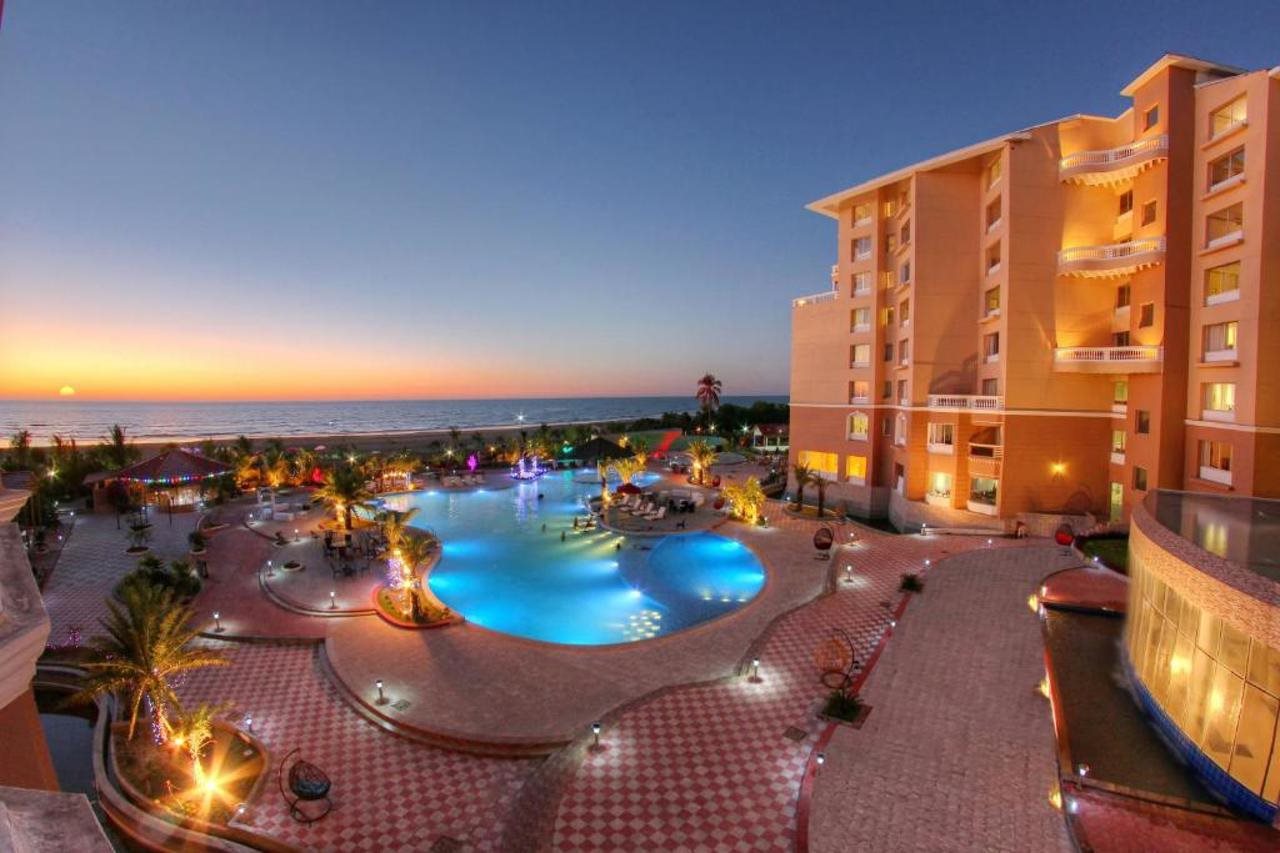
For the evening, return to Cox's Bāzār and eat near the beach strip or the Burmese market, where dried fish and sweets are sold. Stay near Kolatoli or Sugandha if you want to walk to the water at sunrise, or near the bus stand if you have an early departure. Book your room ahead for the November-to-February peak, when the town fills and rates rise sharply, and again around Eid. Outside those windows, rooms are easier to find and cheaper.
Practical Notes on Timing, Money and What to Skip
The best months for this itinerary are November to February, when humidity drops and the sea is calmer. March to May is hot and the light is harsh; June to September brings monsoon rain and can suspend ferry crossings, so keep the Kutubdia day flexible. Distances are short but roads are slow: Ramu is around an hour, Himchari 30 to 40 minutes, and the Kutubdia crossing plus the mainland approach can swallow half a day. Carry small notes for CNGs and ferries. There is no need for a car; buses, shared jeeps and CNGs cover every leg, though you will change vehicles and wait.
What to skip: the roadside souvenir stalls on the way to Himchari are mostly identical and overpriced, and the beach near Sugandha Point is crowded at sunset. Skip any operator offering a rushed Ramu-and-Kutubdia combination in one day; the timings do not work. Also skip the temptation to cross to Kutubdia late in the afternoon, as return crossings are unreliable after dark. Instead, book a hotel in Cox's Bāzār for all three nights and treat Ramu and Kutubdia as separate outings. Choose a room near Kolatoli for beach access, and confirm that your hotel can store luggage and arrange an early wake-up for the Kutubdia day.
Related articles
Questions, answered
Hotels in Cox’s Bazar
See all stays →Curated picks are coming — meanwhile, the live search covers every bookable property at the same price or better.