Ramu's Craft Villages: Planning a Day Trip from Your Cox's Bāzār Hotel
Ramu's Buddhist villages and their handwoven crafts are an easy day out from Cox's Bāzār — here is how to fit the trip around your hotel booking, and what to see when you get there.
Getting There and Back from Cox's Bāzār
Ramu sits on the Chittagong–Cox's Bāzār highway about 12 to 16 kilometres north of Cox's Bāzār town, so a morning run takes roughly 30 to 45 minutes by CNG or car depending on traffic at Keranihat junction. Most hotels along Kolatoli Road and Sugandha Beach can arrange a car for the day, and the round trip with waiting time is usually quoted as a flat rate; agree it before you leave. Shared CNGs are cheaper but drop you on the highway, leaving a short walk or a local ride to the villages.
If you prefer public transport, buses heading to Chittagong stop at Ramu Bazar, where you can pick up a rickshaw for the last two kilometres to the old village area. In the December to February high season, roads are busiest between 10am and noon, so leaving your hotel by 8am keeps the drive comfortable. Allow three to four hours on site and aim to be back in Cox's Bāzār before dark, when highway driving gets harder and the beach road fills up.
What the Craft Villages Are Actually Like
Ramu is best known for the Buddhist communities of the old village and the nearby Chakma and Marma settlements, where workshops and family courtyards turn out handwoven cloth, cane and bamboo baskets, and metalware. The region's signature is the patterned lungi and thanka cloth woven on traditional looms; you will see looms in operation in some workshops rather than finished goods alone. Ask before photographing people at work, and check whether the piece you like is loom-woven or machine-made, since both are sold side by side and prices differ accordingly.
Some outlets sit close together along the main village lanes; others are a short rickshaw hop away in neighbouring paras. Prices are negotiable and depend on weave, thread and size — a handwoven lungi will cost noticeably more than a mill one, so ask how it was made rather than judging by label alone. Carry small notes, as change can be scarce in the workshops, and skip any stop that pushes you into a rushed bulk purchase; the best pieces are found by watching the work first.
Pairing Ramu with the Rest of Your Day
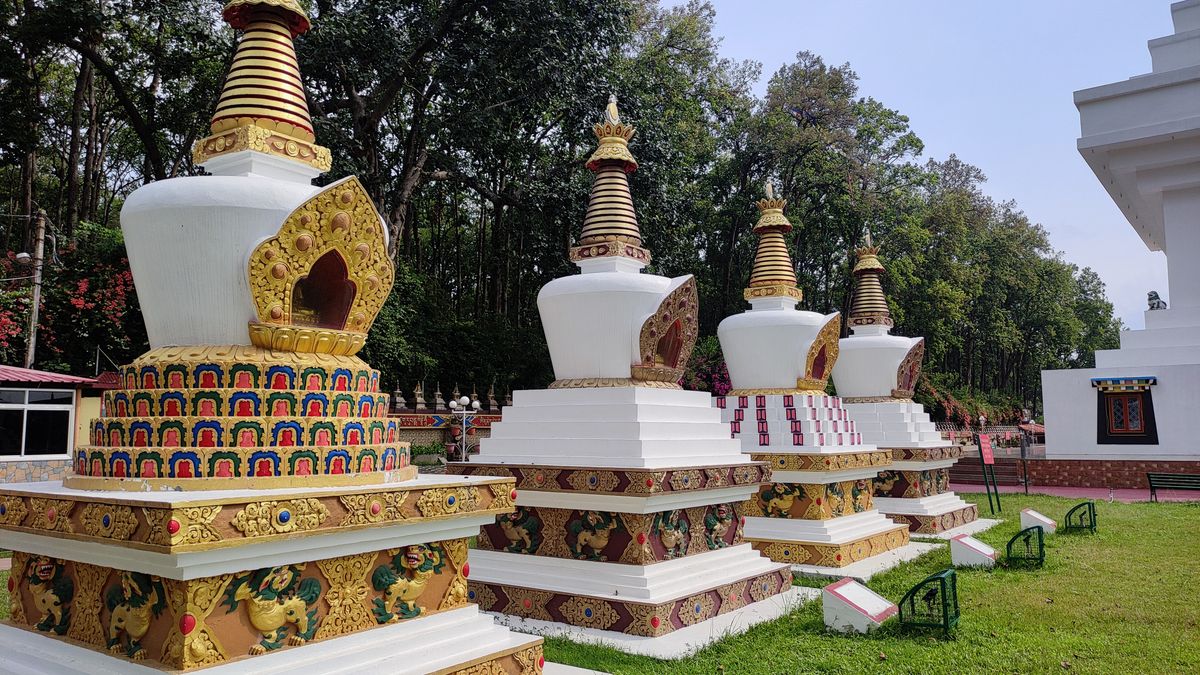
Ramu works well as a half day rather than a full one, and it combines naturally with the temples at Ramkot and the hilltop stupa known locally as the Buddha Dhatu Jadi, one of the region's more striking modern structures. Cover those in the same morning, then return to Cox's Bāzār for a late lunch near Kolatoli and an afternoon on the beach. If you are staying at a hotel in the town centre or around Sugandha, you will be back before the afternoon heat peaks — a real advantage in March and April, when Ramu gets humid and shade is limited.
Skip Ramu on Fridays and Saturdays if you want quiet weaving rooms, since weekend coach groups from Chittagong arrive in force. Monsoon from June to September brings rain, slick lanes and slower going, so keep the trip flexible then. For craft-focused travellers, I would book a beachfront hotel in Kolatoli for convenience and ask the desk to arrange a car for an early Ramu start; town-centre hotels are cheaper and fine too, though you add 15 minutes to the drive each way.
Booking a Hotel That Makes the Day Trip Work
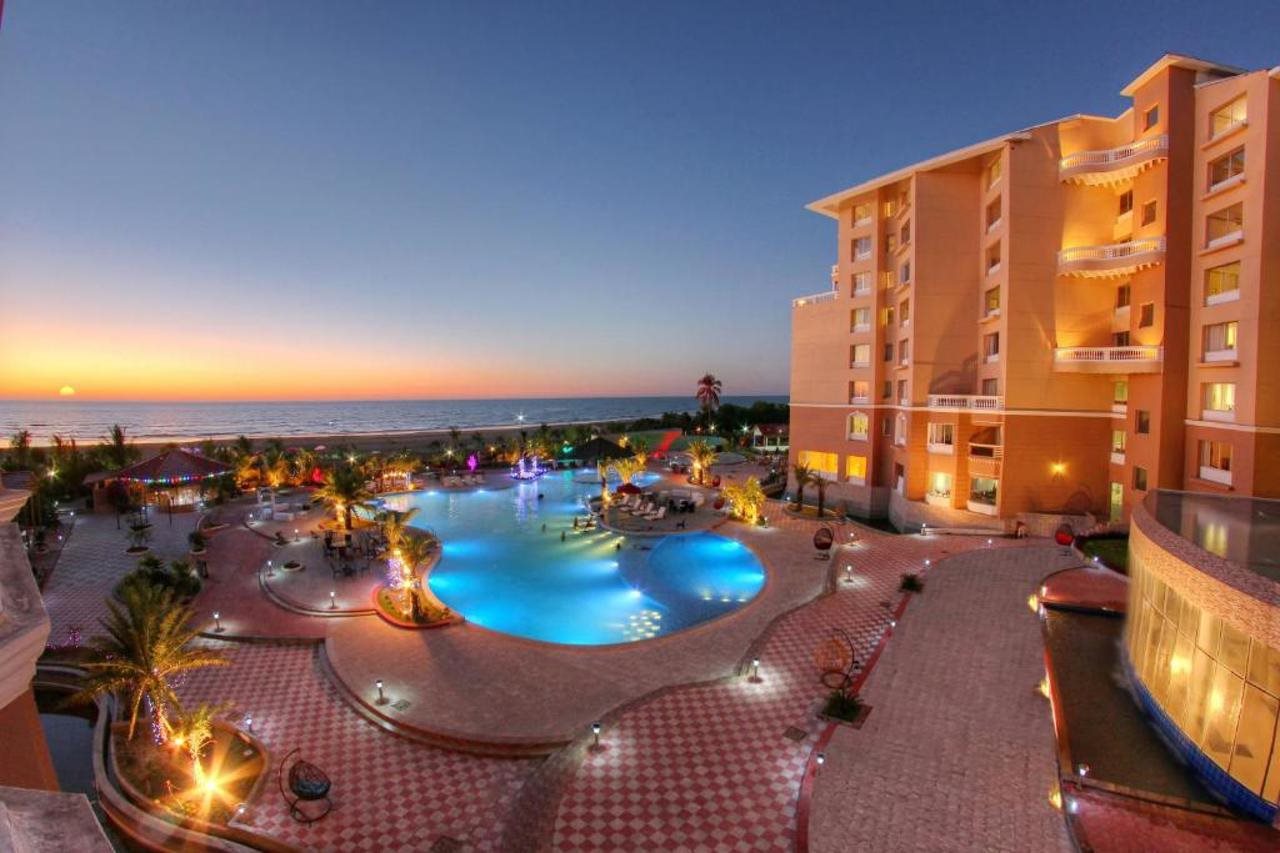
Because Ramu is a half-day outing, the hotel matters mainly for logistics: secure parking, an early breakfast, and a desk that can confirm a driver the evening before. Kolatoli Road and the Sugandha stretch have the densest choice, from guesthouses to larger beach hotels, while quieter Inani and Himchari are scenic but add 30 to 45 minutes to the Ramu drive each way — not worth it for a craft-focused trip.
Book at least a week ahead for weekends in December through February, when Cox's Bāzār fills with Dhaka visitors and room choice narrows quickly. Confirm the Ramu rate in writing, check whether breakfast starts before 8am, and pack a light shawl for the temples and comfortable shoes for uneven village lanes. If your priority is a calm, unhurried look at the looms, pick a midweek stay, stay near Kolatoli, and leave the elaborate day tours for the beach days.
Questions, answered
Hotels in Cox’s Bazar
See all stays →Curated picks are coming — meanwhile, the live search covers every bookable property at the same price or better.