When the Sea Turns: Weather Patterns and Ferry Operations
The Bay of Bengal off Cox's Bāzār is calmest from November to March, when ferries to Moheshkhali run reliably and the crossing takes about 25 minutes from the Nuniarchhara ghat. From late April to September, the southwest monsoon brings choppy seas and frequent cancellations. Even in the shoulder months of October and March, sudden squalls can whip up waves, so always check the forecast and ask your hotel to confirm sailings before you set out.
Ferry services are managed by local operators and the Bangladesh Inland Water Transport Authority (BIWTA). In rough weather, authorities may suspend services for safety; there's no fixed timetable for disruption. The larger ferries with enclosed cabins handle swells better than the small open boats, but even they can be uncomfortable. If you're prone to seasickness, consider a morning crossing when winds are typically lighter, and avoid the afternoon when sea breezes strengthen.
The Crossing Experience: What to Expect on Board
Most ferries are basic: wooden benches or plastic seats, no air conditioning, and limited shelter from spray. Life jackets are provided but may be worn; keep your belongings in a waterproof bag. The crew will hand out sick bags if needed, but it's wise to bring your own. The boat may wait for a full load, so departures can be delayed. In rough weather, the ride is bumpy, and you might get wet—wear quick-dry clothing and secure hats and loose items.
Safety standards vary. Ferries are required to carry life jackets and flotation devices, but overcrowding can occur. If you feel uneasy, wait for the next sailing or choose a larger vessel. The journey offers views of fishing villages and the hills of Moheshkhali, but in poor visibility, there's little to see. The return trip from Moheshkhali jetty to Cox's Bāzār follows the same conditions; plan to return before late afternoon to avoid worsening weather.
Practical Preparation: Tickets, Timing, and Alternatives
Buy tickets at the Nuniarchhara ghat counter on the day of travel; there's no online booking. Fares are nominal (around 20–30 taka for locals, 100–150 taka for foreigners, though confirm locally). Bring cash in small notes. The first ferries leave around 7am; the last return from Moheshkhali is usually by 5pm. In rough weather, services may stop without notice, so don't rely on a late return. If ferries are cancelled, you can hire a private boat from Fisherman's Ghat, but negotiate the price and check safety equipment.
Alternatively, consider a day trip to Sonadia Island or Himchari instead—both accessible by road from Cox's Bāzār and less weather-dependent. If you're set on Moheshkhali, allow flexibility in your itinerary: plan at least two possible days for the trip. Check the Bangladesh Meteorological Department's marine forecast (available online) for wave heights and wind speed. As a rule, if waves exceed 1.5 metres, ferries may not operate. Your hotel in Cox's Bāzār can help you interpret local conditions.
After the Crossing: Where to Base Yourself in Cox's Bāzār
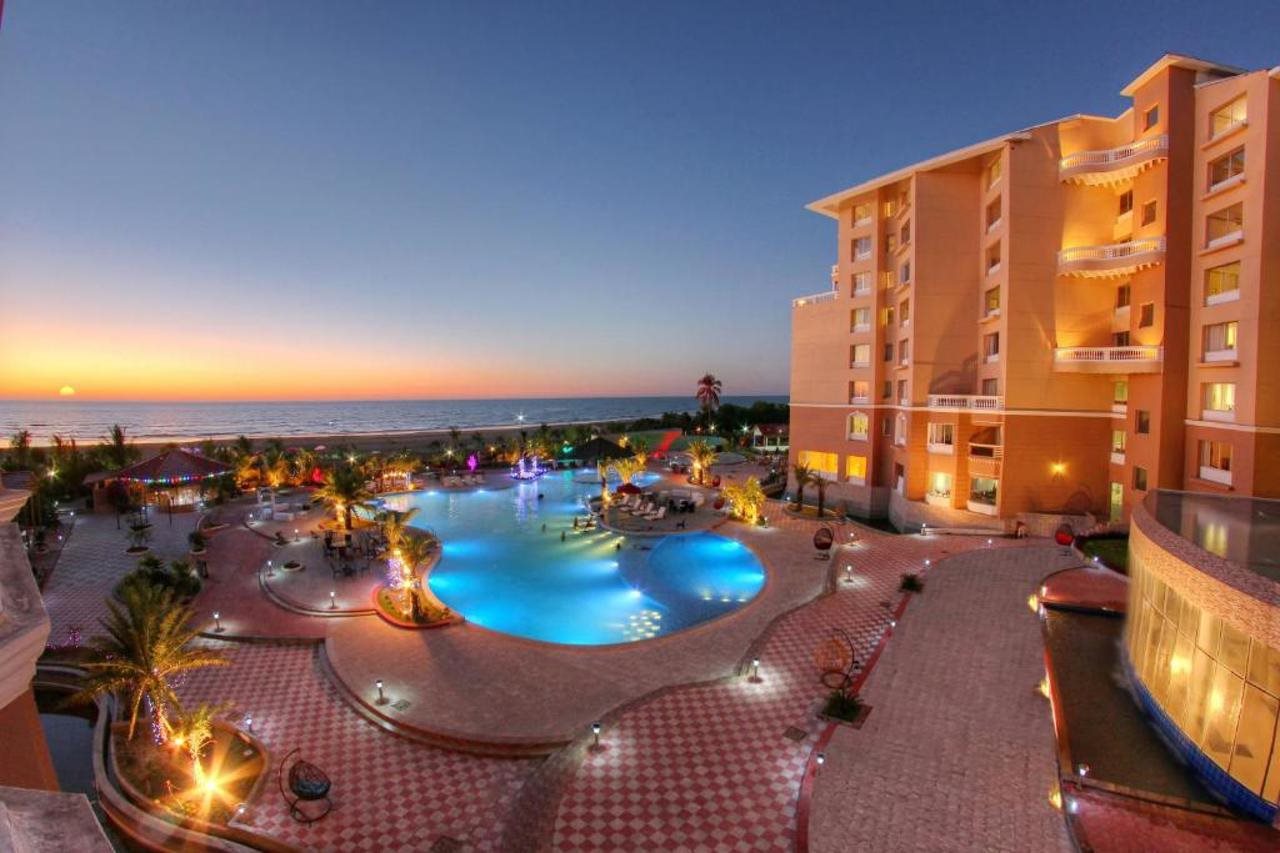
Cox's Bāzār offers a range of accommodation, but for ferry access, the Nuniarchhara area is most convenient. The neighborhood has several mid-range hotels within walking distance of the ghat, though the beach there is less scenic. For a better beach experience, stay in Kolatoli or Sugandha, where you'll find a wider choice of hotels and restaurants. From Kolatoli, it's a 10–15 minute rickshaw ride to the ferry ghat (around 100–150 taka). Book a hotel with reliable power and hot water—comforts after a wet crossing.
I would book a hotel in Kolatoli for its balance of beach access and amenities; in rough weather, you'll appreciate having cafes and shops nearby. Avoid the congested area around the bus station unless you're on a tight budget. During peak season (December–January), book ahead. If you're travelling in monsoon, confirm that your hotel has backup power and doesn't face flooding issues—lower-lying areas near the shore can flood. Use the booking platform to filter by location and read recent reviews about reliability.
Related articles
Questions, answered
Hotels in Cox’s Bazar
See all stays →Curated picks are coming — meanwhile, the live search covers every bookable property at the same price or better.