The Two Ways Across the Channel
Moheshkhali sits across a tidal channel from Cox's Bazar, and most travellers reach it from either the main jetty near Kolatoli or the smaller ghats further north. The larger ferries run on a loose schedule from the main jetty, usually starting mid-morning and continuing until late afternoon, with crossings of roughly 30 to 45 minutes depending on the tide. Local boats, by contrast, leave when full, often from ghats closer to the fishing areas north of the town, and the trip can take an hour or more. Fares are modest either way, though you should confirm the current rate at the counter rather than rely on hearsay.
The experience differs sharply. Ferries carry vehicles, cargo and foot passengers together, so decks are busy and shaded seating is limited. Local boats are smaller, open, and far more exposed to sun and spray. If you are prone to seasickness, the wider ferry hull is the gentler ride, especially on a choppy afternoon. Neither option runs comfortably after dark, and the channel can close to small craft during storms or heavy monsoon rain between June and September. Build slack into your day rather than treating the crossing as a fixed appointment.
Timing, Tides and the Monsoon Window
Tides dictate everything here. At low water the channel narrows and some ghats become unusable, so boat operators shift their departure points; at high water the crossing is quicker but the ramps are slippery. The best months are November through February, when the sea is calm, skies are clear and the crossing is pleasant even in an open boat. March and April bring heat and dust, and the pre-monsoon months can turn squally without much warning. If your Cox's Bazar trip falls in the monsoon, treat Moheshkhali as optional rather than fixed and ask at the jetty on the morning itself.
Practically, aim to cross in the morning. Seas are usually calmer before noon, queues at the ticket window are shorter, and you leave yourself room to return before the light goes. Carry small notes for fares, keep a light rain jacket and sun protection in one bag, and wear footwear you can slip off if you have to wade at a low-tide ghat. Drinking water and a snack are worth packing, since vendors on the Moheshkhali side cluster near the main landing rather than at every jetty. None of this is complicated, but it rewards a little planning.
Which Crossing I Would Book
For most visitors staying in the hotel strip between Kolatoli and Sugandha points, the ferry from the main jetty is the sensible choice. It is easier to reach by rickshaw or CNG auto-rickshaw from the beachfront, the departure point is clearer, and the ride is steadier. Budget travellers and photographers often prefer the local boats for the closer view of fishing life along the channel, but that choice costs time and comfort. If you are travelling with children or older relatives, take the ferry and sit toward the centre of the vessel rather than the open bow.
What I would skip is the temptation to squeeze Moheshkhali into a half-day alongside an Inani Beach trip. The geography does not cooperate, and you will spend more time in transit than ashore. Give the island a proper half or full day instead, and keep your base in Cox's Bazar, where the hotel choice is far wider and the evening restaurants are within walking distance of the sand. Returning to a booked room near the beach after a long crossing is considerably better than hunting for a place on arrival. Check your hotel's distance to the jetty before you commit, since the ride can vary a lot with traffic.
Practicalities on the Island Side
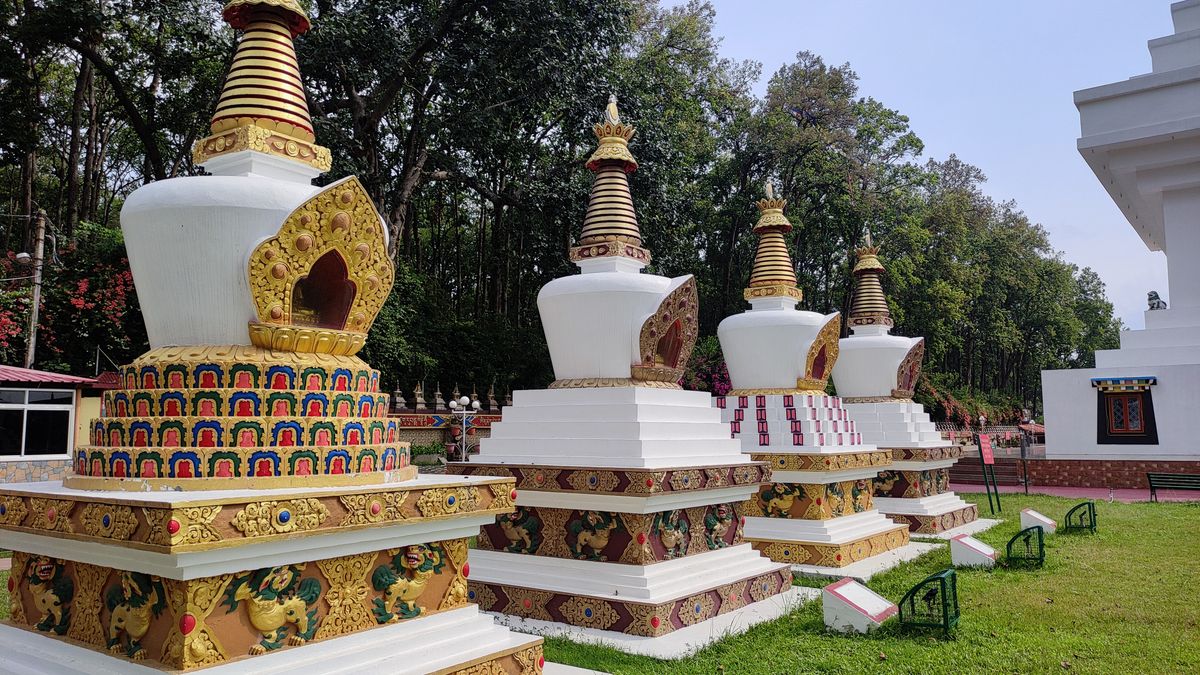
Moheshkhali's main landing puts you within reach of the Adinath temple area and the hill trails, though transport onward is by local vehicle and slow. Distances that look short on a map can take half an hour on narrow roads, so agree a return time with your boatman or note the last ferry. Mobile signal is patchy in parts of the island, which matters if you are coordinating a pickup. Carry enough cash for the day, since card acceptance is rare and ATMs are unreliable away from the main towns.
The island rewards a slow pace: fishing harbours, salt pans, betel plots and quiet lanes rather than organised attractions. Do not expect signage or visitor facilities at every turn, and ask before photographing people at work. On the return leg, afternoon ferries fill quickly, so arrive at the landing with time to spare. If the weather turns, take the delay seriously and stay ashore rather than pressing a boatman to cross. A calm, well-planned crossing is the whole point, and a little patience on the jetty is a small price for a good day out.
Questions, answered
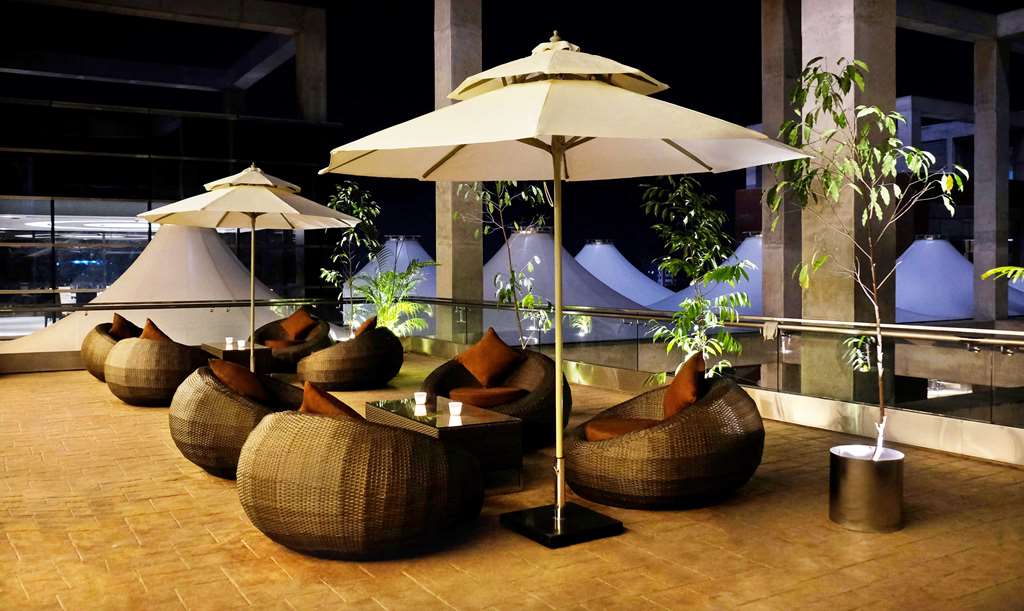
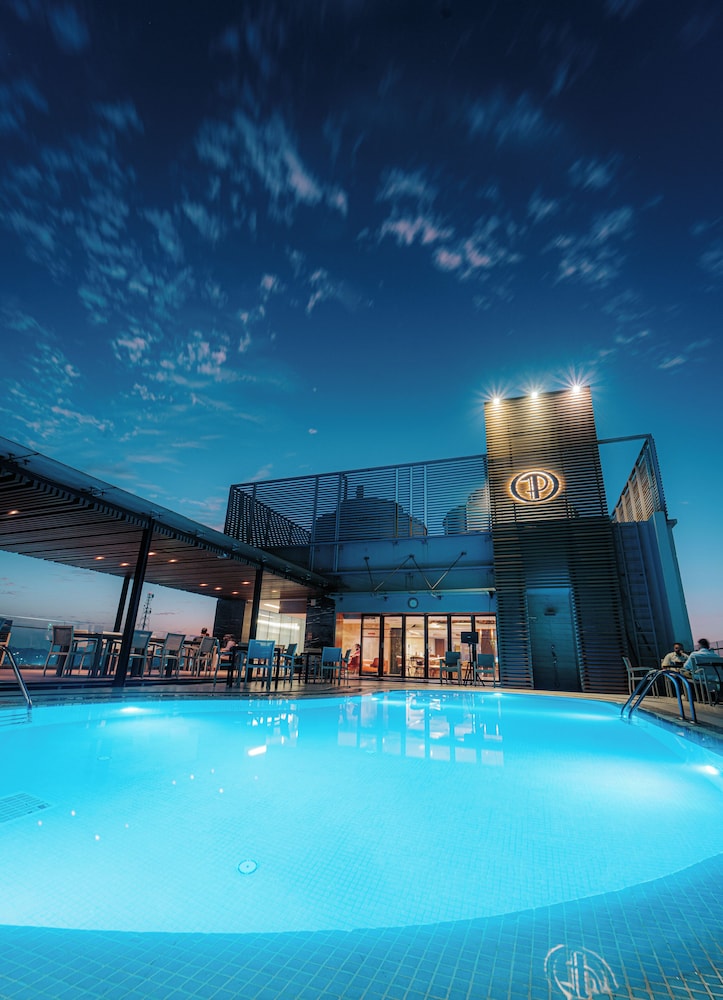
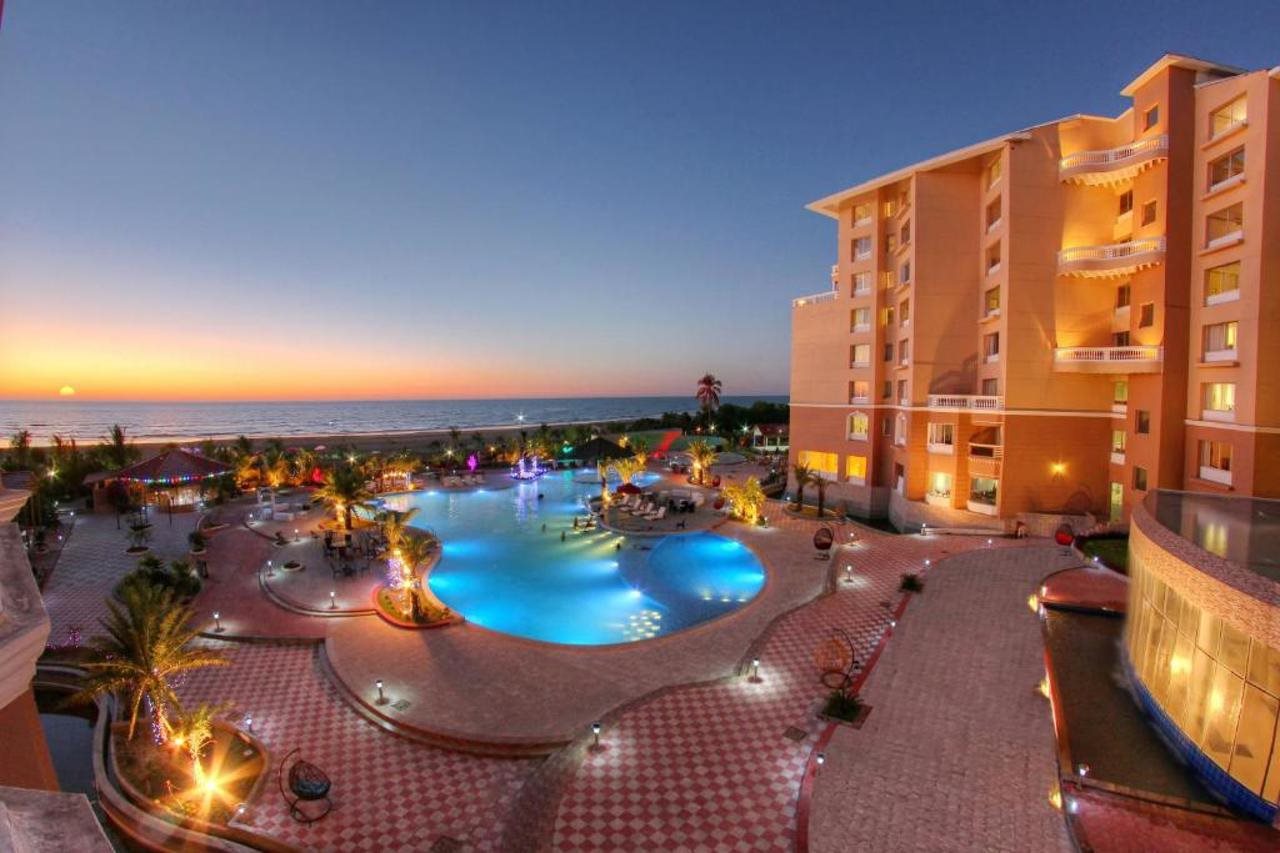
Hotels in Cox’s Bazar
See all stays →Curated picks are coming — meanwhile, the live search covers every bookable property at the same price or better.