How the main beach actually works
Cox's Bāzār's main beach runs roughly 120 km from the Bakkhali River mouth north to Teknaf, but almost everyone swims and sunbathes on the stretch in front of Hotel Motel Road and Kolatoli Point. The sand here is firm and dark, the tide range is large, and at low water you can walk hundreds of metres out. Sunbathing is straightforward in the morning; by early afternoon the light is harsh and the beach gets crowded with day-trippers, horses and beach buggies.
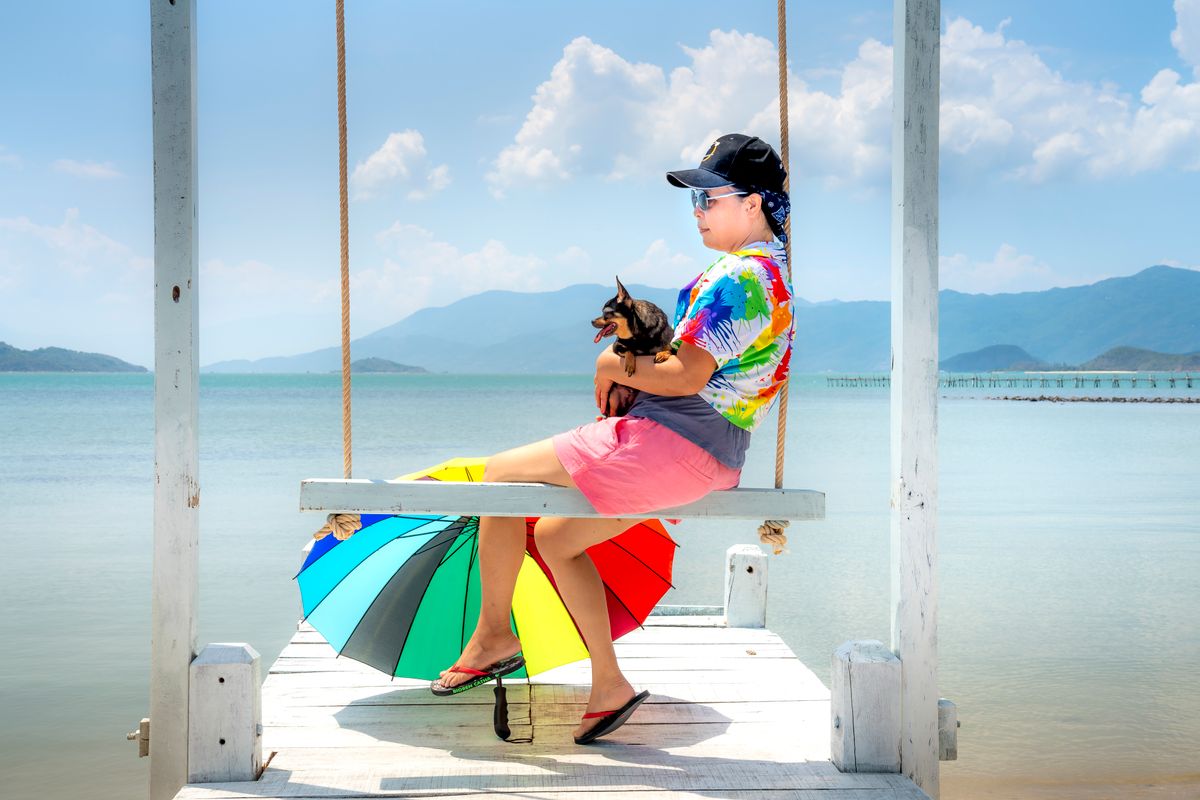
Shade is not something you can assume. Natural shade on the sand is almost nonexistent, and the casuarina plantations sit set back behind the road, not on the beach itself. What you will find are seasonal canopies and bamboo-frame shelters run by local vendors, mostly between Kolatoli and Sugandha Point, plus umbrella-and-chair sets that appear each morning. None of this is a formal, priced service with published rates; agree the amount before you sit down.
Shade options, from cheapest to most comfortable
The cheapest approach is to bring your own. A light cotton sarong, a wide-brimmed hat and a beach umbrella bought in Dhaka or Chittagong will see you through a week. Vendors along the beach path sell bottled water, coconuts and snacks, so you do not need to carry much. If you are staying at a hotel on Hotel Motel Road or in Kolatoli, walking back to your room for the hottest hours is genuinely practical — most properties are within five to ten minutes of the sand.
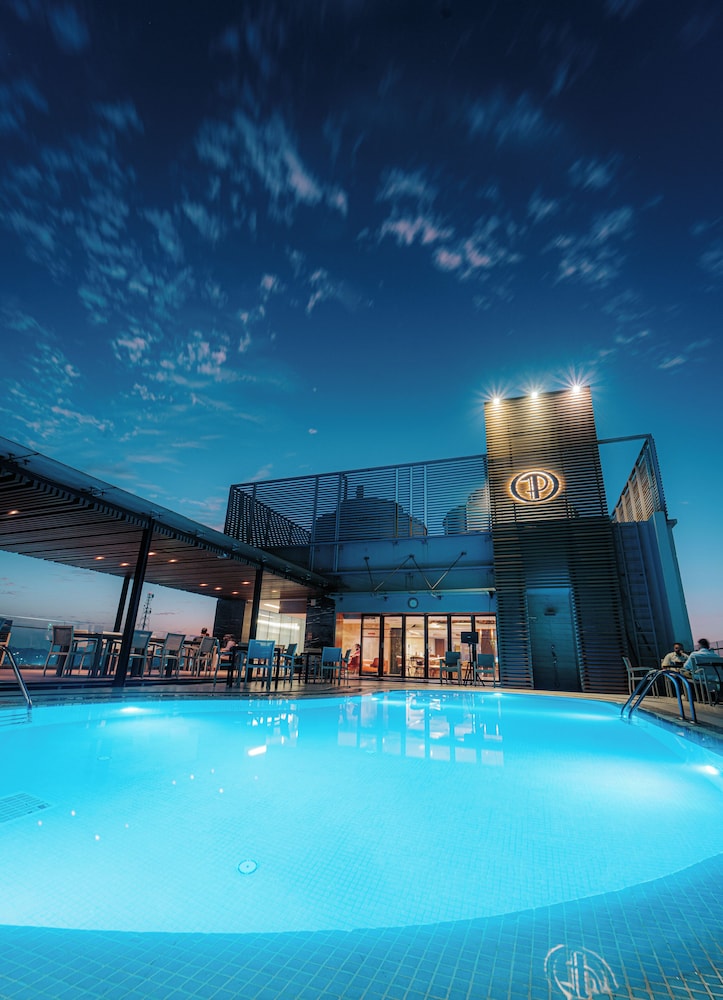
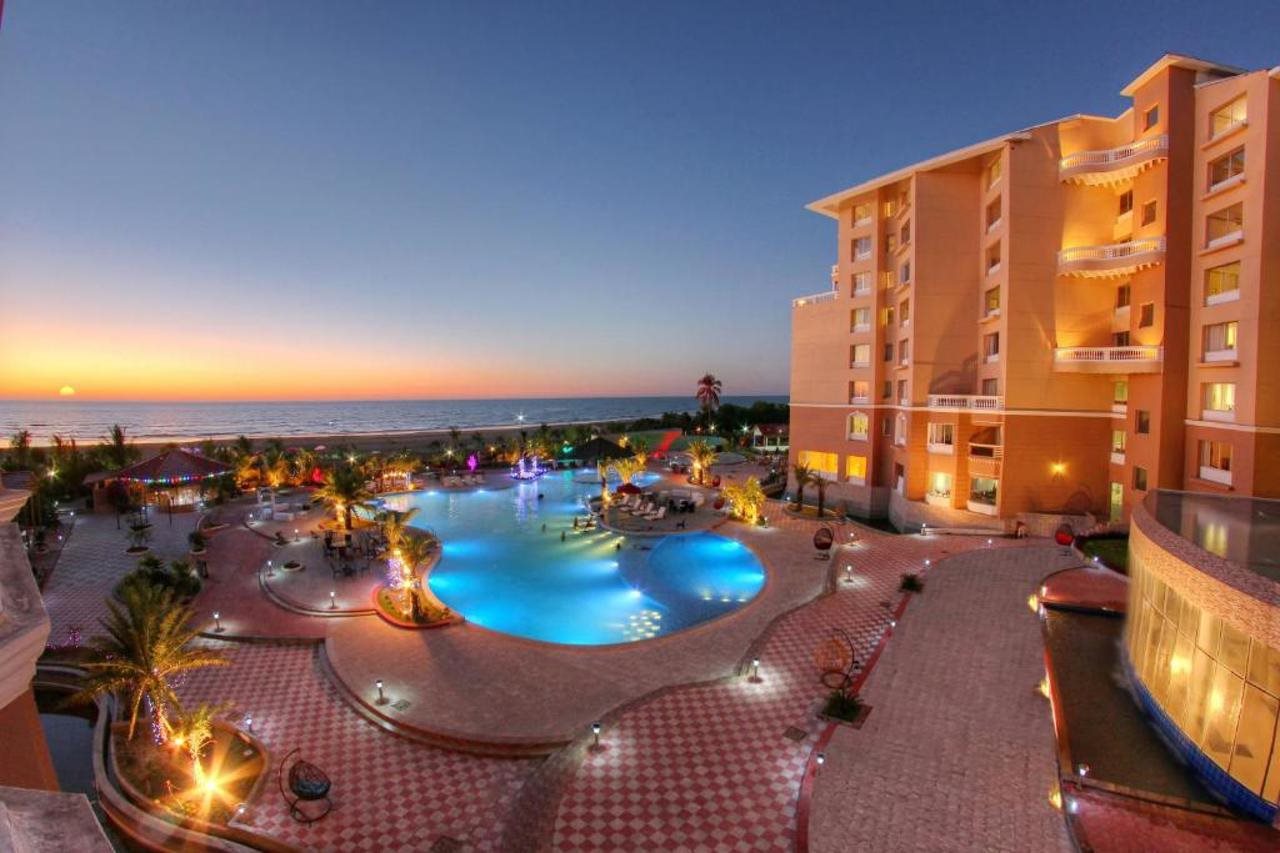
Paid shade comes in three forms. Vendor canopies near Sugandha Point are the most informal. Hotel beach clubs and poolside areas, found at the larger properties along Kolatoli Road and in the Marine Drive strip toward Himchari, give you a lounger and a guaranteed roof. And the casuarina groves behind the beach, particularly around Himchari and the quieter stretches past Kalatali, offer real tree shade — but you must cross Marine Drive to reach them, and the ground is uneven. For a family with children, I would book a hotel with a pool and shade structure rather than rely on beach vendors.
Timing, tides and the sun
The best months for sunbathing are November to February, when the air is dry, the humidity drops and daytime temperatures sit in the mid-twenties to low thirties Celsius. March and April are hotter and stickier; May to September brings the monsoon, rough surf and frequent rain. Whatever the season, plan your beach time before 10 am and after 4 pm. The midday sun in Cox's Bāzār is strong enough to burn fair skin in under an hour, and the sea breeze hides how hot you are getting.
Tides matter more than most visitors expect. At low tide the water pulls back a long way, leaving wide, hard sand that is easy to walk but offers no shade at all. At high tide the usable beach narrows sharply and vendor canopies get crowded together. Ask your hotel for the day's tide times — most reception desks in Kolatoli and along Hotel Motel Road can tell you, and local fishermen will too. Avoid swimming near the river mouth at Bakkhali and around the fishing boat channels.
Where to stay for a shade-friendly beach day
Kolatoli is the most convenient base: it is close to the main swimming area, has the widest choice of hotels, and puts you a short walk from both the sand and the restaurants on Hotel Motel Road. Sugandha Point is busier and better for sunsets and street food, but the beach there is narrower and shade is more crowded. Marine Drive toward Himchari, about 12 km south of town, is quieter and greener but you will need transport for meals and supplies.
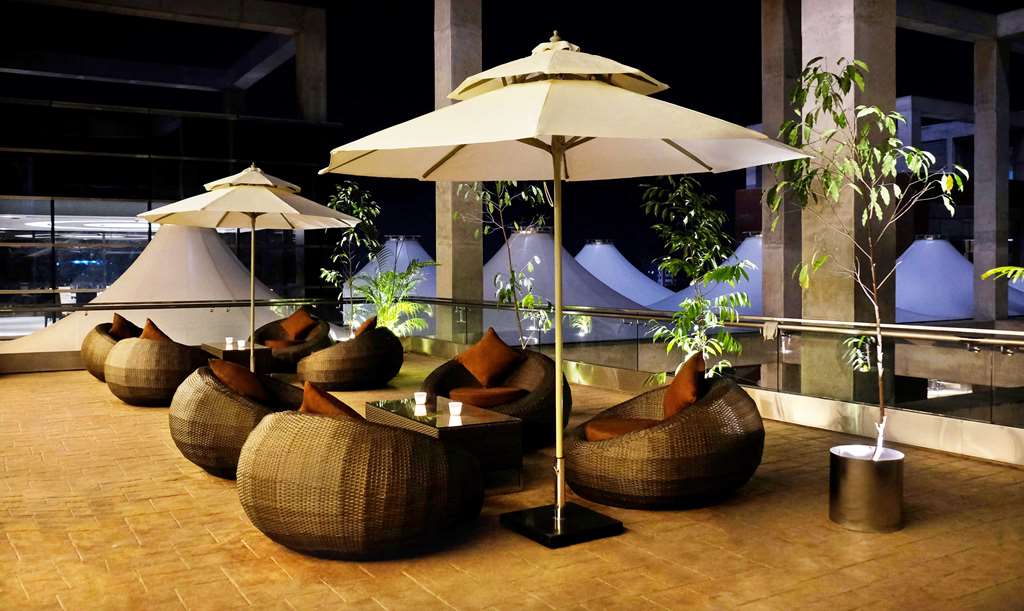
For a trip built around sunbathing and shade, I would book in Kolatoli in a hotel with a pool and a shaded terrace, and treat the beach as a morning and late-afternoon outing. Inpeak season, rooms in Kolatoli fill quickly for weekends, when visitors arrive from Dhaka and Chittagong; book ahead for Friday and Saturday nights. Budget hotels cluster near the bus station and along the road to Kolatoli, while the more comfortable options with gardens and pools sit nearer the beach. Check what shade a property actually offers before you book — a pool courtyard and a covered terrace make a real difference at midday.
Practical habits that make the day work
Dress respectfully away from the sand. Cox's Bāzār is a conservative town, and swimwear belongs on the beach; a shirt and loose trousers are easier when you walk back through Kolatoli or into the bazaar. Carry small notes for vendors, since change is often short. Drinking water is widely available, but stick to sealed bottles. Sunscreen, a hat and a long-sleeved light shirt are the most useful things you can pack, and they cost far less at home than at a beachside stall.
Horses, beach buggies and jet skis operate along the main stretch and are a genuine hazard if you are lying down; pick a spot away from their tracks. Lifeguards are not a standard feature, and currents can be strong, so swim near other people and not beyond waist depth. If you want quiet, walk north from Kolatoli toward the fishing villages, where the sand is emptier and the shade trees behind the beach are easier to reach.
Related articles
Questions, answered
Hotels in Cox’s Bazar
See all stays →Curated picks are coming — meanwhile, the live search covers every bookable property at the same price or better.