Inani, Teknāf Road and the Quiet Alternatives
Cox's Bāzār faces west, which shapes every photography decision you will make here. The sun rises over the hills behind town and sets into the Bay of Bengal, so the classic golden hour runs from roughly 4pm until sunset in winter and a little earlier in summer. Midday between 11am and 3pm flattens the water and bleaches the sand, so use that window for shade, food or rest rather than for photographs. The soft after-storm light of the monsoon months (June to September) is dramatic but the sea is rough and access to the water is often restricted, so most travellers plan around November to March.
Kolātoli Point, a short ride south of the main hotel strip, is where most visitors take their first frame. The beach here is wide, the sand firm, and the fishing boats pulled up in the late afternoon give foreground interest. Walk ten minutes north toward Sugandhā and the crowd thins out considerably. If you want reflections, low tide exposes wet sand that mirrors the sunset sky — check a local tide table at your hotel reception, because the difference between high and low water can be several hundred metres of beach.
The southern stretch around Himchari, about 8 km from Kolātoli by road, adds cliffs and forest to the frame. A car or CNG auto-rickshaw takes roughly 20 to 30 minutes depending on traffic near the Himchari junction, and the hilltop viewpoint charges a small entry fee. Arrive by 3pm to claim a spot on the ridge before sunset crowds build. Inwinter the light is cleanest, and the drive back to town after sunset takes about 40 minutes in the dark — arrange your return vehicle in advance rather than relying on finding one at the gate.
Inani, Teknāf Road and the Quiet Alternatives
Inani Beach, roughly 30 km south of Cox's Bāzār along Marine Drive, is the photographer's favourite for good reason: coral stones scattered across the sand, fewer umbrellas, and water that shifts from grey to turquoise depending on the season. The drive takes about 45 to 60 minutes by car; a hired car with driver is the sensible option if you are carrying a camera bag, and most hotels on the main strip can arrange one. Go early in the morning if you want the stones without people sitting on them, and again in the late afternoon for the backlit surf.
Marine Drive itself rewards a slow journey. The road hugs the hills between Kolātoli and Inani, and there are several pull-offs where the forest drops straight to the sea — good for wide landscape frames and for photographing the coloured fishing boats beached below. If you only have one day for photography outside town, I would book Inani over Himchari: the coral and the quieter beach give you more variety, and you can still stop at Himchari on the way back.
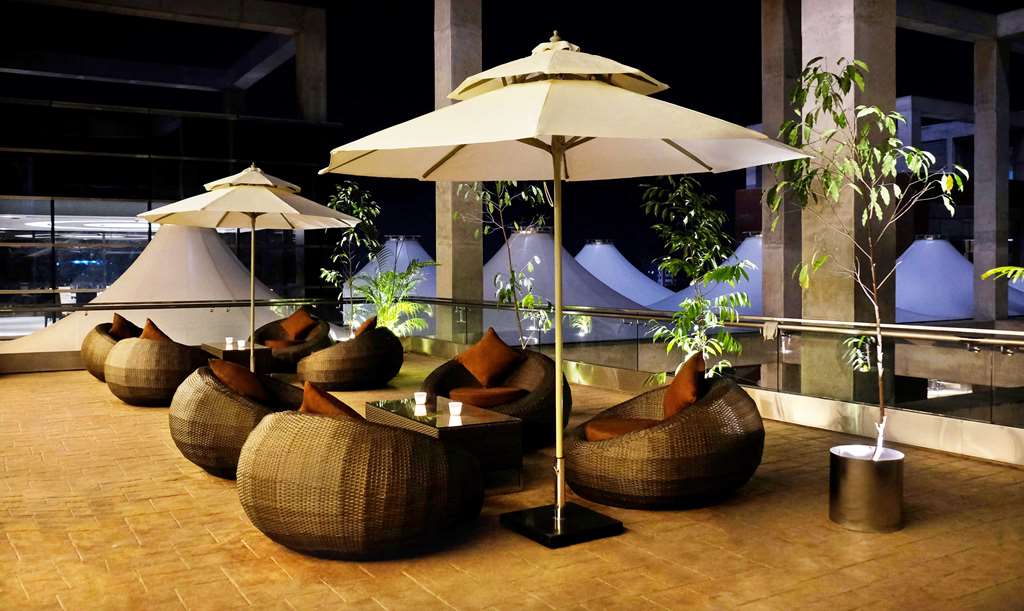
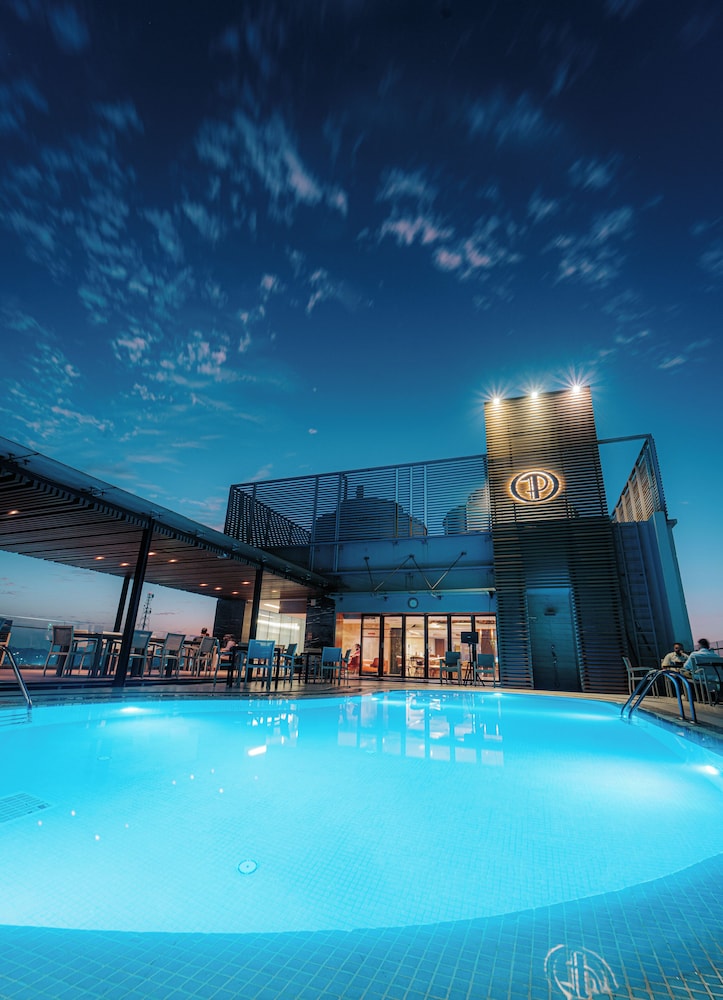
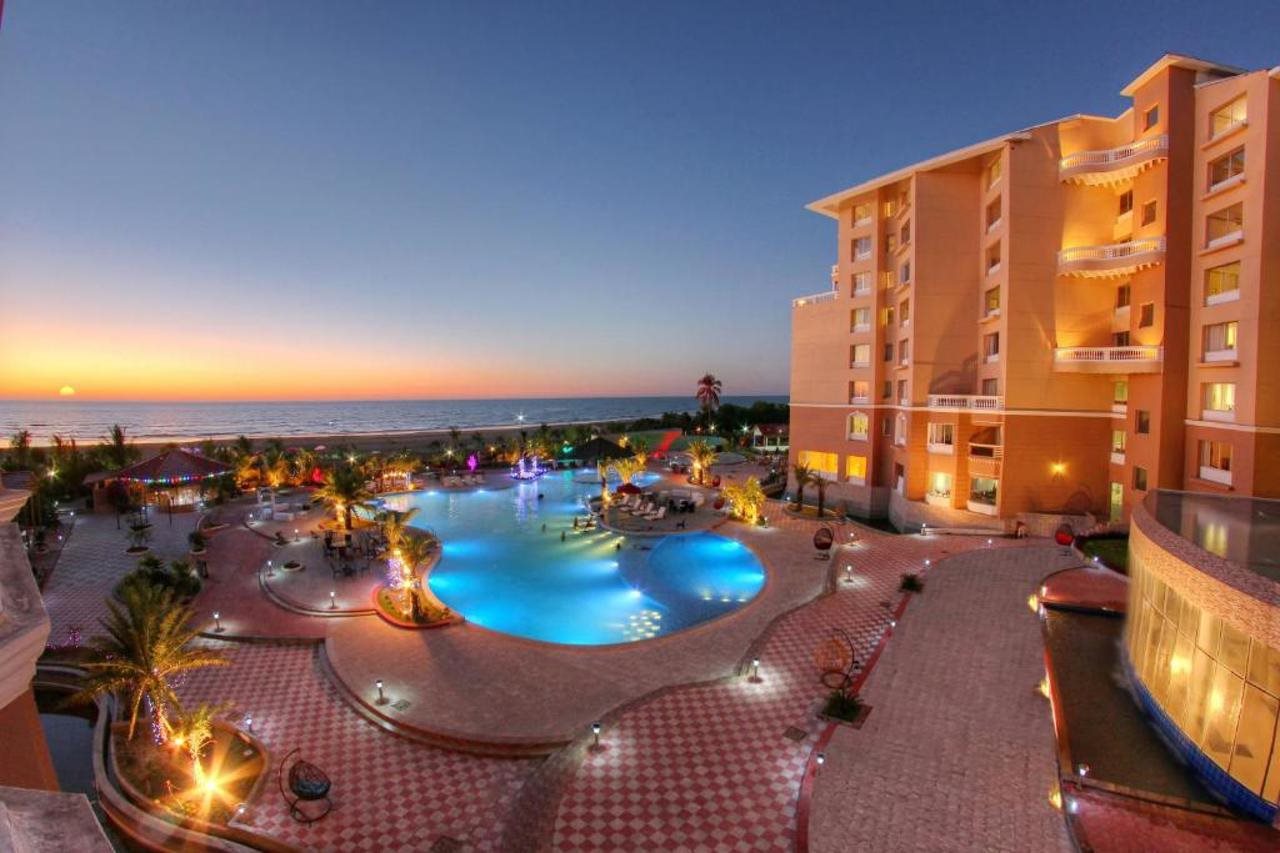
North of town, the beach at Rājkhalī and the estuary near Bāghghona see far fewer visitors and offer a different subject entirely — local fishing life rather than resort scenery. It is worth half a day if you are staying a week or longer. Skip the crowded stretch immediately in front of the largest hotels unless you want people in the frame; it is lively and colourful but difficult to photograph without strangers walking through the shot. Many hotels along Kolātoli Road run rooftop terraces, and sunrise from a rooftop over the town rooftops is a genuinely good, low-effort option before breakfast.
Kit, Etiquette and Practical Care
Salt air and fine sand are the real enemies here. Bring a microfibre cloth, a plastic bag for the camera when you are not shooting, and a spare battery — humidity drains them faster than cold does. A polarising filter is the single most useful accessory on this coast: it cuts glare off wet sand and deepens the sky without changing the colour of the water. Avoid changing lenses on the open beach; do it in your room or in the car with the windows closed. If you are carrying a tripod for blue-hour shots, keep the legs rinsed with fresh water back at the hotel.
Photographing people needs care. Fishermen hauling nets and vendors with baskets are a common sight, particularly around Kolātoli and the fish drying yards north of town. Ask before photographing faces, accept a no without pressing, and consider buying something small from the person you have photographed. Several fishing communities live along this coast year-round, and a respectful approach gets you better pictures than a long lens. Do not photograph women in the fish-drying areas without clear permission, and avoid standing in the middle of working nets.
Finally, build the photography around the trip rather than the other way around. Two nights is enough for Kolātoli and Himchari; four nights lets you add Inani and a slow Marine Drive morning, which is the itinerary I would book for anyone serious about the camera. Stay somewhere between Kolātoli Point and Sugandhā so you can walk to the sunset without a vehicle, and confirm with the hotel that they have secure storage for gear. Book ahead for the November to February window, when the weather is at its best and rooms fill quickly.
Questions, answered
Hotels in Cox’s Bazar
See all stays →Curated picks are coming — meanwhile, the live search covers every bookable property at the same price or better.