Start at the Fish Ghat and Kālī Bāri
Begin early, around 7am, at the Fish Ghat on the Banka Khal, where trawlers unload the night's catch. The air is thick with salt and diesel, and the auction is loud and fast. Walk north along the ghat road for five minutes to the Kālī Bāri, a small Hindu temple tucked behind the fish warehouses. It opens around 6am and closes by 11am, so visit before the heat builds. The lane is narrow and shared with rickshaws and porters; step aside and keep your bag in front of you.
From the temple, head west on Puran Bazar Road, which runs through the heart of the old commercial district. This is where you will see the town's characteristic mix of timber-framed shophouses and concrete additions. The pavement is uneven and often blocked by goods, so walk on the road's edge and watch for cycles. A good landmark is the old Post Office building, a pale-yellow colonial structure with arched windows, still in use. It is not a museum, so admire from outside and do not enter unless you have business.
Puran Bazar to the Clock Tower
Continue west from the Post Office for about 400 metres to Puran Bazar, the old market. By 9am it is in full swing: vegetable sellers, spice stalls and dry-fish traders spread under a patchwork of tarpaulin and tin. This is a good place to buy fruit for the walk—look for seasonal star fruit and guava—but avoid the dry-fish section if you are sensitive to strong smells. The market is busiest on Sundays and Wednesdays, when wholesalers from Chakaria and Ramu bring stock.
Leave the market on the north side and follow the lane to the Clock Tower, a whitewashed concrete landmark that dates from the 1960s. It is not a major sight, but it is a useful orientation point and a natural pause. From here, Laboni Beach is a 15-minute rickshaw ride west, but for this walk, turn south onto the main road towards the river. The traffic is heavy, so cross at the marked speed-breaker near the government primary school and keep to the shaded east side.
The Riverfront and Colonial Remnants
The riverfront stretches south from the Clock Tower along the Banka Khal. Here you will find a row of late-19th-century buildings with corrugated-iron roofs and wooden shutters, some still used as warehouses and offices. The most intact is the old Customs House, a two-storey brick building with a veranda, now partly used by the port authority. You cannot go inside, but the exterior is worth a look. The river is tidal here, and at low tide you will see small boats stranded on the mud.
Walk south for another 300 metres to the ferry ghat, where local boats cross to the fishing villages on the far bank. It is a working jetty, not a tourist attraction, so be respectful and do not photograph people without asking. If you want a longer detour, take a 20-minute boat ride (agree the fare beforehand; expect to pay a few hundred taka) to see the town from the water. Otherwise, return north on the same road and end the walk at the intersection with Main Road.
Where to Stay and What to Skip
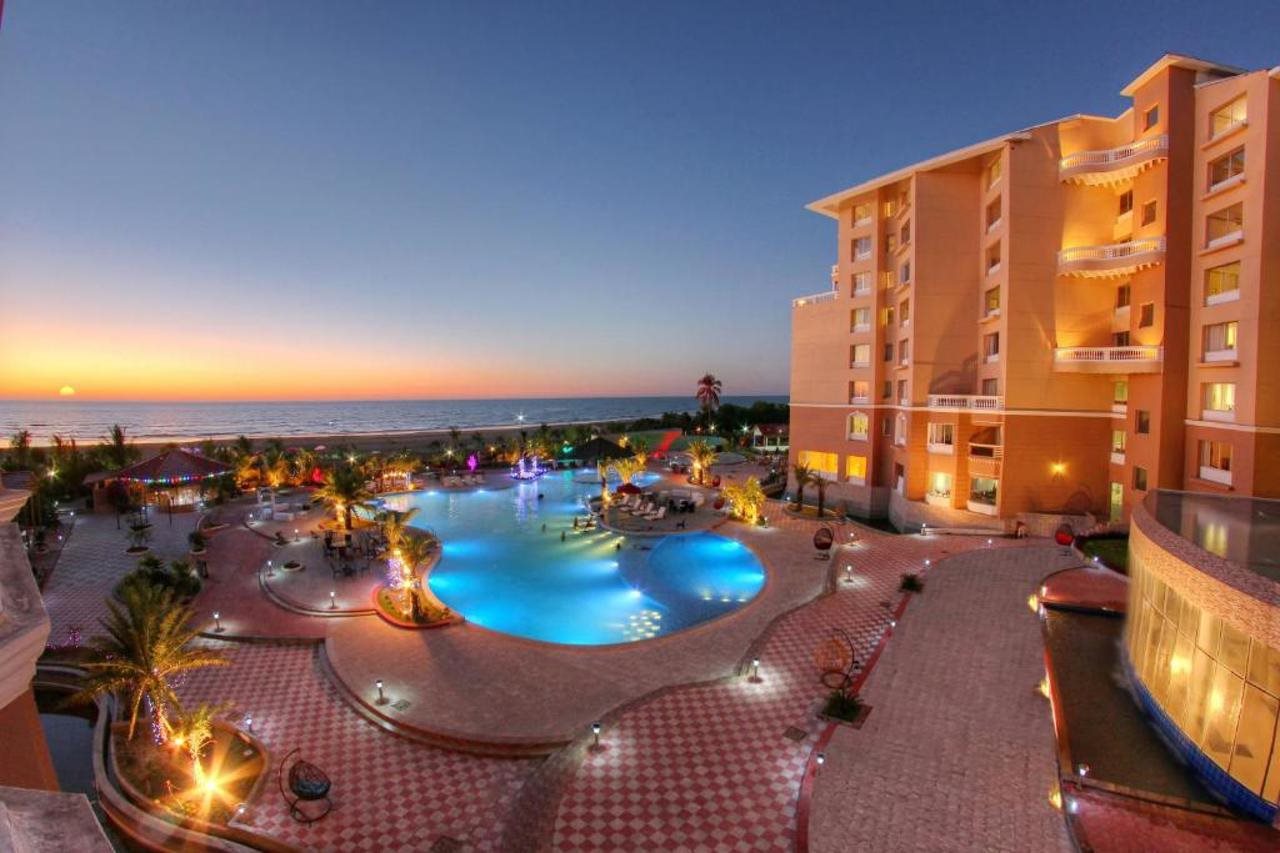
For easy access to this walk, book a hotel in the old town near Puran Bazar or the Clock Tower. Options are mostly small guesthouses and budget hotels, with double rooms typically ranging from Tk 1,500 to Tk 3,500 per night. Mid-range hotels cluster further north along Main Road, closer to Laboni Beach, where you will find more comfort but a 10–15 minute rickshaw ride from the old town. I would book a hotel within walking distance of Puran Bazar if you plan to explore on foot, and use rickshaws for longer hops.
Skip the so-called 'old town museum' that some drivers mention—it does not exist. Also skip the stretch of Main Road between the Clock Tower and the bus station at midday; it is choked with traffic and offers little shade. The best months for this walk are November to February, when temperatures are cooler and the monsoon has passed. Carry water, wear light clothing that covers your shoulders and knees, and bring small notes for tea stalls and rickshaw fares.
Related articles
Questions, answered
Hotels in Cox’s Bazar
See all stays →Curated picks are coming — meanwhile, the live search covers every bookable property at the same price or better.