Getting There and Timing Your Walk
Shamlapur is about 30 kilometres south of Cox's Bāzār town, a 45-minute drive along the Marine Drive. From your hotel in Kolatoli or Sugandha, head south past Himchari; the road climbs and dips with sea views before turning inland to the village. A CNG auto-rickshaw costs around BDT 800–1,200 each way; a private car with driver is BDT 2,500–3,500 for a half-day. Start by 7am to catch low tide and avoid the heat—by 11am the sand softens and the light flattens.
The walk itself is best between November and February, when the air is dry and the sea calm. Check a tide table the day before; at high tide the creek crossing near the village mosque is impassable. The main path begins at the Shamlapur jetty and follows the beach north for two kilometres, then loops back through the village along a raised embankment. Wear sandals you can get wet, carry water, and bring small cash for tea stalls—there are no ATMs here.
The Creek Crossing and Beach Section
From the jetty, a narrow creek empties into the sea. At low tide you can wade across at ankle depth; after rain, the current is stronger and you should follow the village women who cross daily to collect shellfish. The beach here is not the wide, groomed strand of Kolatoli—it is narrow, littered with fishing boats and drying nets, and backed by casuarina trees. This is the point: you are walking through a working coastline, not a resort.
About a kilometre north, the beach widens and the sand becomes firmer. Look for the bright blue boat hulls pulled up near the tree line; fishermen will be mending nets and may invite you to watch. Keep a respectful distance from any boat being loaded—this is their livelihood, not a photo opportunity. The walk continues to a small headland where the creek meets the sea, a good spot to turn back. Avoid swimming here; currents are strong and there are no lifeguards.
Village Life and the Embankment Loop
Returning via the embankment gives you a view over rice paddies and betel nut groves. The path is used by cyclists and farmers; step aside for motorbikes. You will pass a small primary school and a mosque—both are private spaces, so admire from the path. If you are invited into a courtyard for tea, accept; it is customary and the tea is sweet and milky. Women should dress modestly, covering shoulders and knees, out of respect for the conservative village.
The loop brings you back to the jetty in about an hour at a gentle pace. Along the way, look for the dried fish sheds—the smell is strong but the process is fascinating. Do not photograph people without asking; a smile and a gesture towards your camera is usually enough. This is not a shopping stop; there are no souvenir stalls, only a few village shops selling snacks and drinks. Bring a bag for any rubbish you generate, as bins are scarce.
What to Bring and What to Skip
Essentials: reef-safe sunscreen, a hat, insect repellent for the embankment section, and a reusable water bottle. Binoculars are useful for birdlife in the paddies—kingfishers and egrets are common. Skip the flip-flops; the creek bed is stony. Also skip the midday walk unless you are used to the heat. There are no public toilets, so plan accordingly. A small first-aid kit with plasters and antiseptic is sensible for minor cuts from shells.
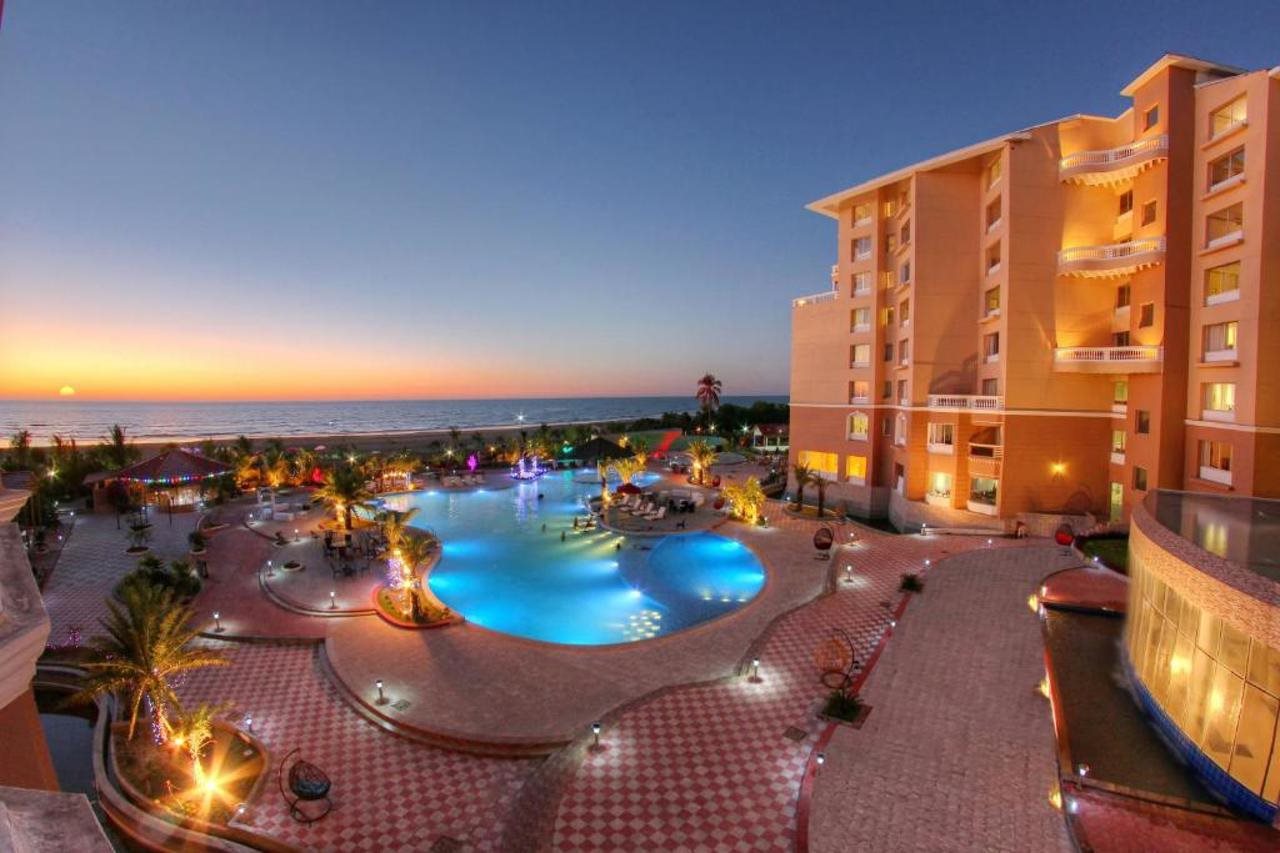
Skip the guided tour if you prefer solitude—the walk is easy to follow and villagers are accustomed to visitors. However, a local guide (arrangeable through your hotel for BDT 1,000–1,500) can explain the fishing calendar and point out paths that avoid private land. I would book a hotel in Kolatoli or Sugandha for easy access to Marine Drive, then take a CNG to Shamlapur early. Avoid Fridays after 11am when the beach fills with day-trippers from town.
Related articles
Questions, answered
Hotels in Cox’s Bazar
See all stays →Curated picks are coming — meanwhile, the live search covers every bookable property at the same price or better.