Why Pekua, and Where to Sleep
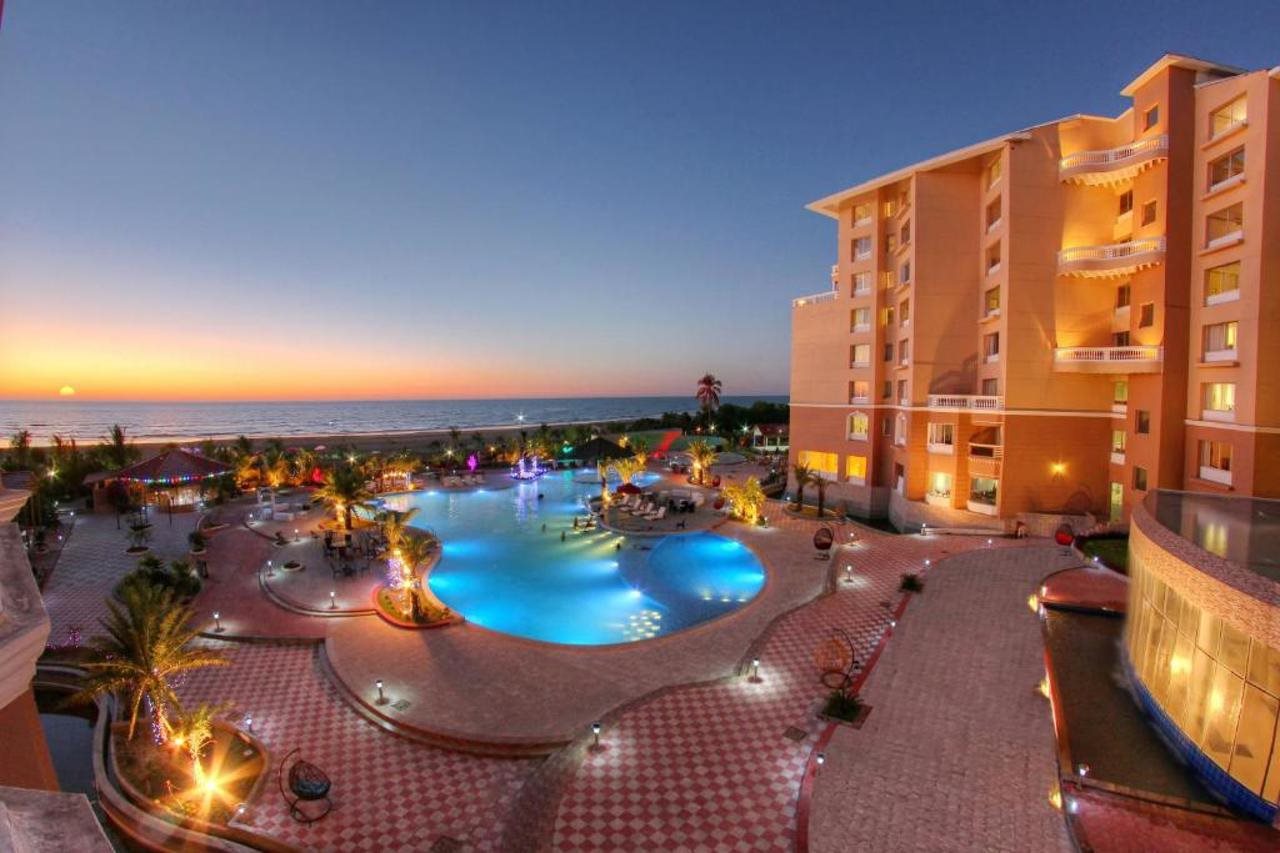
Most visitors to Cox's Bāzār stay in the hotel strip around Kolatoli and Sugandha Point, where rooms run from roughly BDT 1,500 for a basic fan double to well above BDT 8,000 for a sea-view room in season. Pekua, about 30 to 40 minutes south by road on the Chittagong-Cox's Bāzār highway, offers a different trade: fewer crowds, cheaper rooms, and easy access to both Cox's Bāzār town and the southern beaches. It is an upazila rather than a resort strip, so expect small local guesthouses and a handful of mid-range hotels, not beachfront towers.
The practical case for staying here is the road. From Pekua you can reach Cox's Bāzār town in about half an hour, Inani Beach and Himchari in roughly 40 minutes heading north, and Sonadia and the Bakkhali river mouth within an hour going the other way. Book a room with air conditioning if you travel between March and October, because humidity in this part of Chittagong Division is high and power cuts are common. A modest mid-range hotel with a generator and hot water is worth more than a cheaper room without either. I would book in Pekua for the quiet nights and accept the daily drive.
Day One: The Bakkhali River and Sonadia
Start early and head for the Bakkhali river, which meets the sea near Cox's Bāzār town and feeds the fishing economy of this coast. Locally built wooden boats run from the ghats, and a half-day trip downriver and out towards Sonadia Island is the single best thing to do from a Pekua base. Sonadia itself is a narrow, crescent-shaped island of sand and mangrove, with no hotels and very little shade. Go in the morning, take water and a hat, and be back before the afternoon heat peaks. Boat trips are arranged locally and prices vary with the season, the boat and the number of passengers, so agree the fare and the return time before you set off.
Afternoons are for the fish. The Bakkhali estuary supplies much of the dried fish sold across Bangladesh, and the drying yards near the river are worth a respectful look from the road. Do not walk into working areas without asking. For lunch, the small restaurants along the highway through Pekua serve rice, dal and fresh river fish at local prices, which is one of the concrete advantages of sleeping here rather than in the tourist strip. Skip the souvenir stalls near the big hotels in town; the same dried fish and handicrafts are cheaper and less pressured down here.
Day Two: Inani, Himchari and the Marine Drive
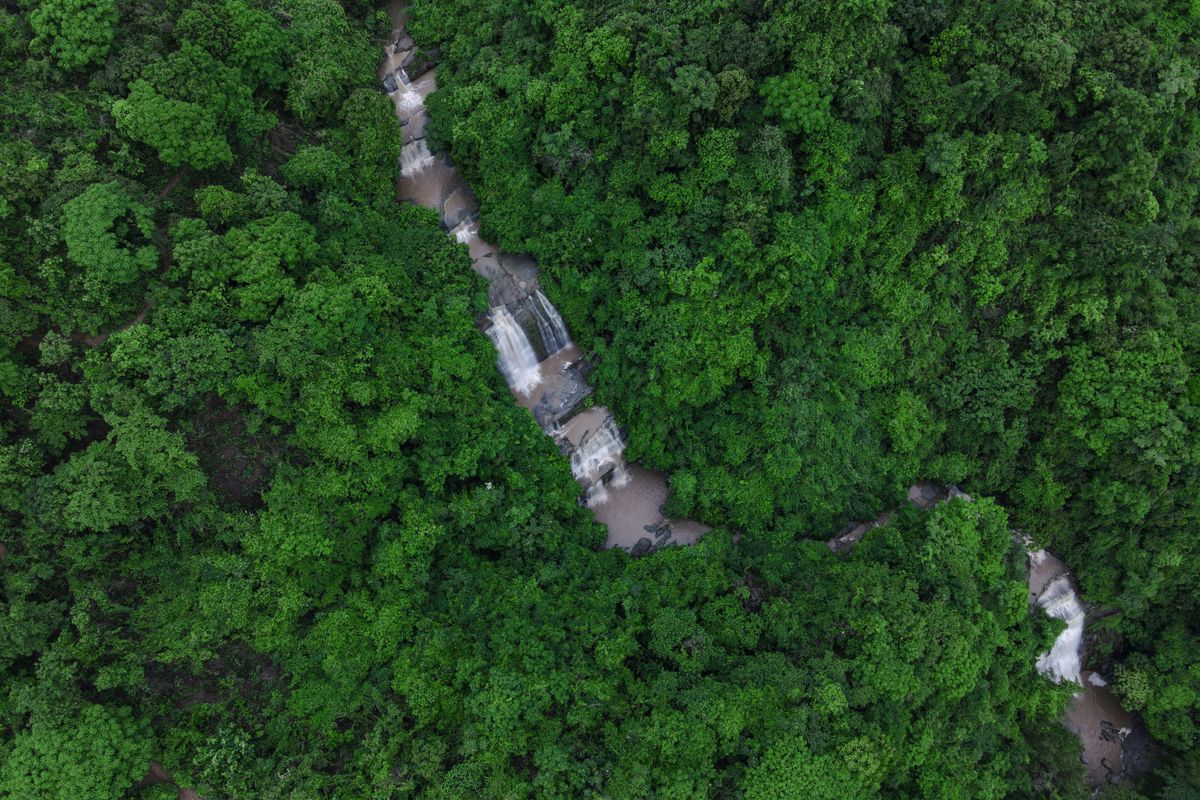
The Marine Drive from Cox's Bāzār towards Teknaf is the road this region is known for, and Pekua puts you within easy reach of its best stretches. Drive north first to Himchari, where a short climb leads to a viewpoint over the bay and a waterfall that only runs properly in the monsoon months of June to September. Then continue to Inani Beach, around 25 to 30 kilometres south of Cox's Bāzār town, where the sand is firmer and the crowds thinner than at Kolatoli. Go early or late; midday sun on Inani is punishing and there is limited shade.
The drive itself is the point. The road runs along the hillside with the sea below, and the light in the late afternoon is the reason photographers come. Arrange a car and driver for the day rather than relying on local transport, since you will want to stop often. If you are travelling in the peak winter season, from November to February, expect traffic near the popular viewpoints and set off before eight in the morning. In the monsoon, check road conditions before committing, as the Marine Drive can be affected by landslides and heavy rain.
Day Three: Cox's Bāzār Town and Practicalities
Give your last day to Cox's Bāzār town itself. The fish market near the Bakkhali bridge is busy and fascinating early in the morning, and the main beach at Sugandha Point is best experienced before nine, when the beach horses, vendors and crowds arrive in force. If you want a quieter swim, drive a little south of town towards Khurushkul rather than joining the main strip. Prices in town are higher than in Pekua for everything from tea to transport, so carry small notes and keep your hotel booking confirmed before you arrive, particularly between December and January when demand peaks.
On transport: the bus from Dhaka to Cox's Bāzār takes around 10 to 12 hours overnight, and from Chittagong it is roughly 4 to 5 hours depending on traffic through Chakaria. Pekua sits on that same highway, so ask your bus to drop you at Pekua rather than going all the way into town and coming back. Locally, CNG auto-rickshaws and rented motorcycles cover short distances, and a hired car with driver is the sensible choice for full-day outings. What I would skip is the guided 'island tour' packages sold in Cox's Bāzār town, which bundle too much into one day and leave little time at any of it.
Questions, answered
Hotels in Cox’s Bazar
See all stays →Curated picks are coming — meanwhile, the live search covers every bookable property at the same price or better.