Getting to Teknaf for First Light
Teknaf sits about 85 kilometres south of Cox's Bāzār along the Marine Drive, a winding coastal road that takes two to two and a half hours by car. To reach the mangrove edges on the Naf River by sunrise, leave Cox's Bāzār around 4:30am. A hired microbus or private car costs Tk 3,000–5,000 one way; shared jeeps from Teknaf bus stand are cheaper but start later. The main habitats lie within three kilometres of Teknaf town: the tidal channels near Shah Porir Dwip jetty and the mudflats along the Naf. The journey itself is part of the outing: the road passes Himchari and Inani Beach, where early light often reveals kingfishers on the roadside wires.
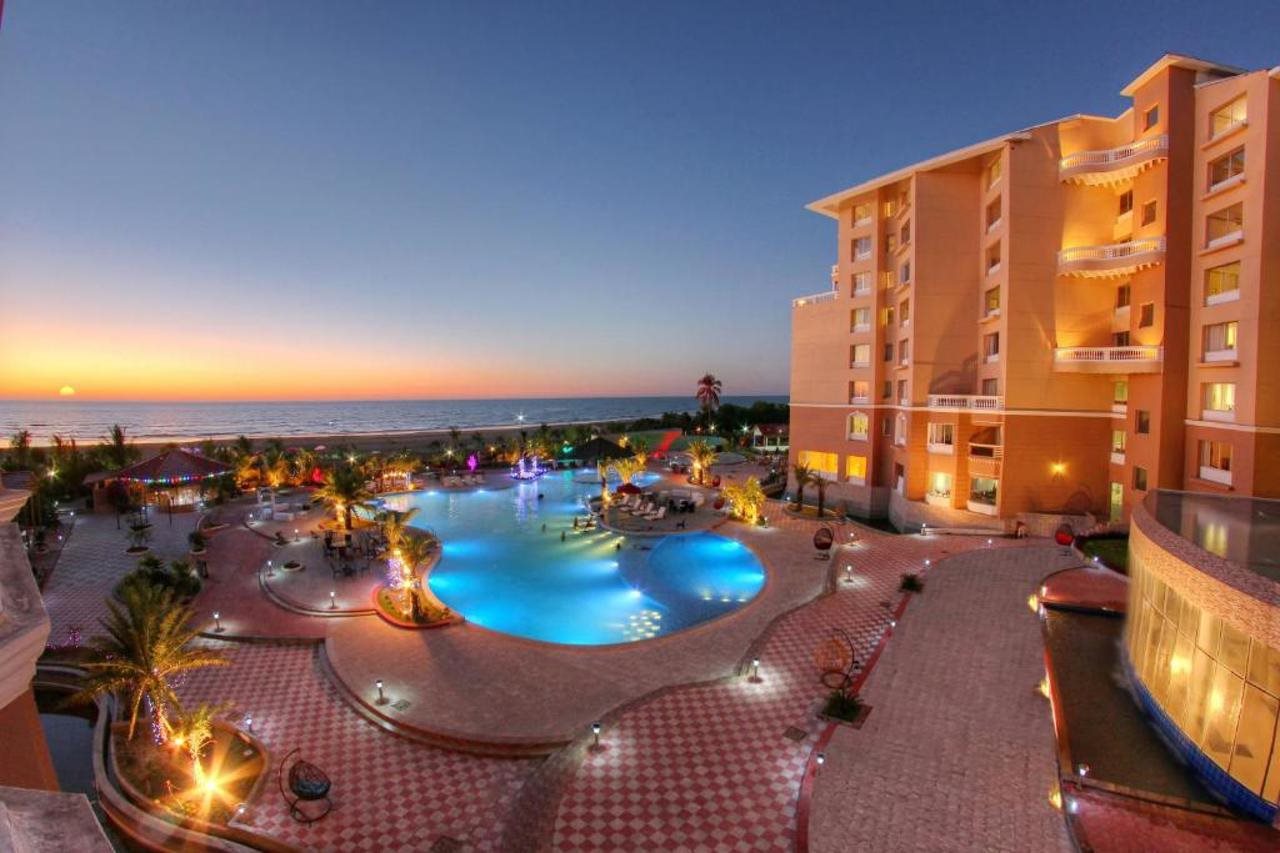
For a smoother 4am departure, staying in Cox's Bāzār's Kolatoli or Sugandha area is more practical than Teknaf, where budget hotels (Tk 800–2,000) are basic and rarely have reliable hot water before dawn. Kolatoli Road has a cluster of mid-range hotels (Tk 2,500–5,000) with 24-hour reception and easy access to the main road south. Book a room with a 4am checkout option or simply keep the room for the night and return for breakfast. Avoid the busy Eid-ul-Fitr week and the Bengali New Year (mid-April), when the road south is congested and rooms fill early.
What You'll See: Birds of the Mangrove Edge
The Naf River estuary and its mangrove fringes host a mix of resident and migratory species. Expect to see collared kingfishers, black-capped kingfishers, and white-throated kingfishers on the exposed roots. Egrets and herons—little, intermediate, and great—feed on the mudflats at low tide. Raptors include brahminy kites and white-bellied sea eagles, often perched on tall trees. During winter (November–February), migratory waders such as curlews, godwits, and sandplovers arrive, making the mudflats near Shah Porir Dwip jetty especially rewarding. binoculars are essential; a spotting scope helps for distant waders. The best light is from 6am to 8:30am, when the tide is low and the air still.
Local boatmen at Teknaf jetty offer small skiff trips along the mangrove creeks for Tk 500–1,000 per hour; negotiate directly and insist on life jackets. Alternatively, walk the embankment north of Teknaf town towards Whykong, where the mangrove edge is accessible on foot and the birdlife is equally good without the boat cost. Skip the midday hours: birds are inactive and the heat is intense. Carry water, sun protection, and insect repellent. Leeches are present in the wet season (June–September), so long trousers and closed shoes are advisable. The area is safe for early-morning visits, but go with a guide if you are unfamiliar with tidal timings.
Beyond Teknaf: Mangroves and Mudflats Near Cox's Bāzār
If a 4am start is too ambitious, the mangrove edges closer to Cox's Bāzār offer a gentler alternative. The Bakkhali River estuary, just north of Cox's Bāzār town, has small patches of mangrove and mudflats that attract kingfishers and egrets. The best access is from the bridge on the Cox's Bāzār–Teknaf road, where you can scan the riverbanks from 6am. For a more immersive experience, the Chakaria Sundarbans, about 70 kilometres north of Cox's Bāzār, is a larger mangrove area, but it requires a full-day trip and a guide. The birdlife is similar, though the setting is quieter and less disturbed.
For a half-day outing, I would book the Teknaf trip over the Bakkhali estuary: the bird diversity is higher, and the morning drive along Marine Drive is scenic. However, if you have limited time or mobility, the Bakkhali estuary is a worthwhile compromise. Combine it with a visit to the Fisherman's Life Museum or the nearby salt fields, where you might spot pied kingfishers and stilts. In winter, the mudflats near Sonadia Island, a 30-minute boat ride from Cox's Bāzār, also hold good numbers of migratory waders. Always check tide times; low tide is best for waders, high tide for kingfishers.
Practicalities: When to Go and What to Pack
The best months for birding around Teknaf are November to February, when migratory species are present and the weather is cool and dry. March to May is hot and humid, with fewer birds but still good for residents. The monsoon (June–September) brings heavy rain and rough seas, making boat trips unreliable; the mangrove edges are muddy and leeches are common. Avoid Fridays and Saturdays if you prefer quieter trails, as domestic tourists flock to Teknaf. Ramadan can also affect opening hours of eateries; plan to carry snacks. A lightweight rain jacket is useful even in winter for early-morning dew.
Pack binoculars (8x42 is ideal), a field guide to the birds of Bangladesh, sunscreen, a hat, and plenty of water. Wear neutral-coloured clothing and sturdy shoes. A local guide can be arranged through hotels in Cox's Bāzār for Tk 1,500–2,500 per morning; they know the tide timings and can spot cryptic species. For photography, a 300mm lens is sufficient for most birds along the mangrove edge. Respect local fishing communities: ask before photographing people or boats, and avoid disturbing roosting birds. Finally, remember that Teknaf is a border area; carry identification and be prepared for security checks on the road.
Related articles
Questions, answered
Hotels in Cox’s Bazar
See all stays →Curated picks are coming — meanwhile, the live search covers every bookable property at the same price or better.