Where Sonarpara Sits and How Families Reach It
Sonarpara lies along the northern end of Cox's Bāzār's main beach, roughly 4 to 5 kilometres up the sand from the busy Sugandha and Kalatali stretches, past Himchari Road's early bends. Coming from town, a CNG auto-rickshaw from Kolatoli Circle takes about 15 to 20 minutes and runs in a modest band of a few hundred taka; a hired car from a Kalatali or Sugandha hotel costs more but carries the whole family and beach bags. The road is flat and the drop-off points sit close to the sand at the quieter northern accesses.
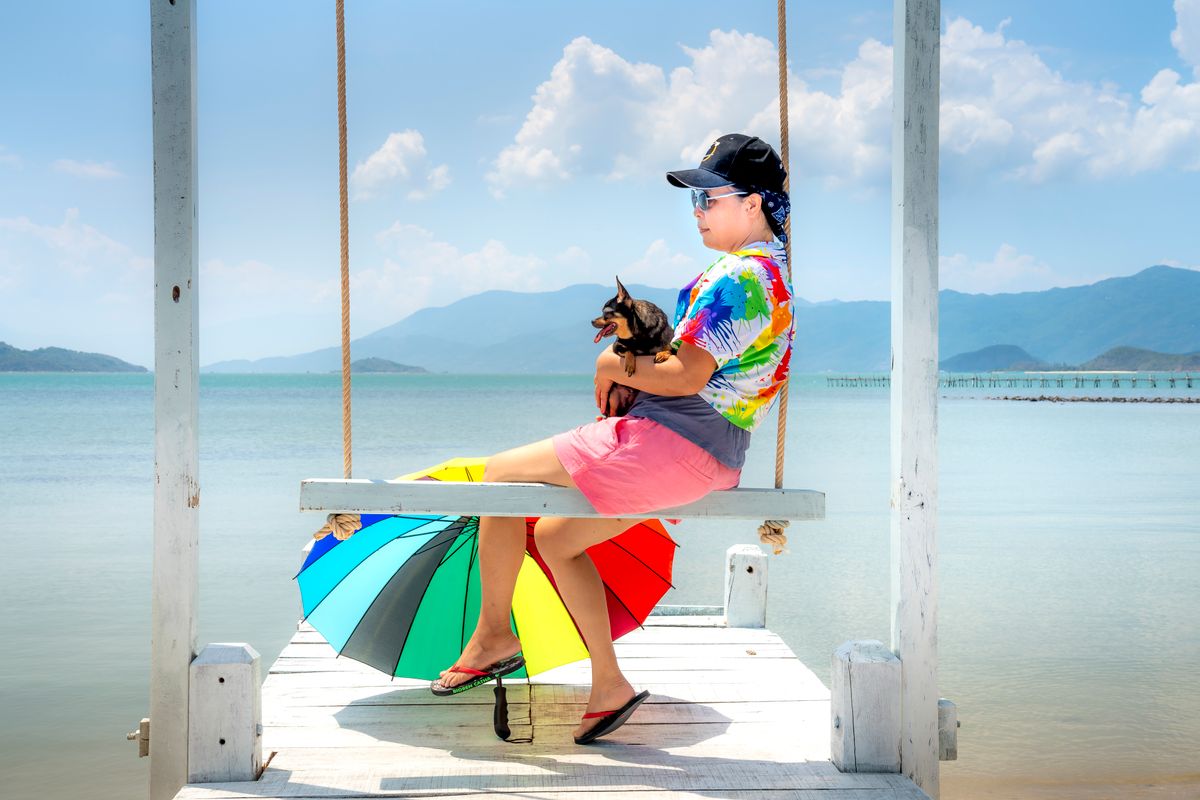
Mornings are the time to arrive. The tide here retreats a long way on a gentle slope, leaving shallow pools that suit toddlers and confident swimmers alike, and before 10am the beach is nearly empty. Bring your own shade — a beach umbrella or a small pop-up tent — because permanent shade near the northern accesses is sparse and vendors selling mats and snacks are fewer than at Sugandha. Sunscreen, hats and two litres of water per adult are the basics; there are no lifeguards on this stretch.
What Children Actually Do on This Stretch
The appeal is simple: building sandcastles, splashing in the tidal pools and walking the firm wet sand at low tide. At the far northern edges near the Himchari Road headland, small rock pools appear at low water and are good for a short supervised poke around with a bucket. Crabs scuttle across the sand in the early evening and are a reliable source of excitement for younger children. Kite flying works well here because the onshore breeze is steady, and the open beach has no obstacles.
Skip the camel and horse rides offered further south. They operate in the crowded central beach and the animals work long hours in heat; children get a better, calmer experience with a rented bodyboard or a simple football. Bodyboards cost a small daily rate from shacks in Kalatali, not Sonarpara, so pick one up on the way. Beach wheelchairs and organised activities are not available here — this is an unstructured, bring-your-own-equipment kind of place.
Safety, Tides and the Honest Limits
The northern beach looks gentle but the sea is the Bay of Bengal and the undertow can be strong, especially where the slope steepens south of the headland. Keep children within arm's reach in the water, avoid swimming near the fish-drying spots where boats and nets are pulled up, and treat low tide as the best window — check a local tide table at your hotel reception. Cox's Bāzār's monsoon runs roughly June to September, when rough surf and rain make this stretch a poor choice for families; November to March is the sweet spot, with calm mornings and comfortable heat.
Facilities are genuinely thin. There are no public toilets or changing rooms at Sonarpara itself; the nearest reliable ones are in hotels and restaurants back toward Kalatali. Mobile signal is fine, but plan to carry out everything you bring in. If you want lifeguards, organised shade and food stalls within 50 metres, this is not the beach for you — choose Sugandha or the Laboni Point area instead and accept the crowds.
Building the Day Around Your Hotel
Most families base themselves in Kolatoli or Kalatali, where mid-range hotels cluster within a short walk of the beach and the main restaurant strip. From there, Sonarpara is a 15-minute CNG ride, so you can do a morning on the quiet sand and return for lunch. Budget-friendly guesthouses sit inland around the Hotel Motel Zone; check that your room has hot water and reliable air conditioning, which matters more in Cox's Bāzār's humidity than any sea view.
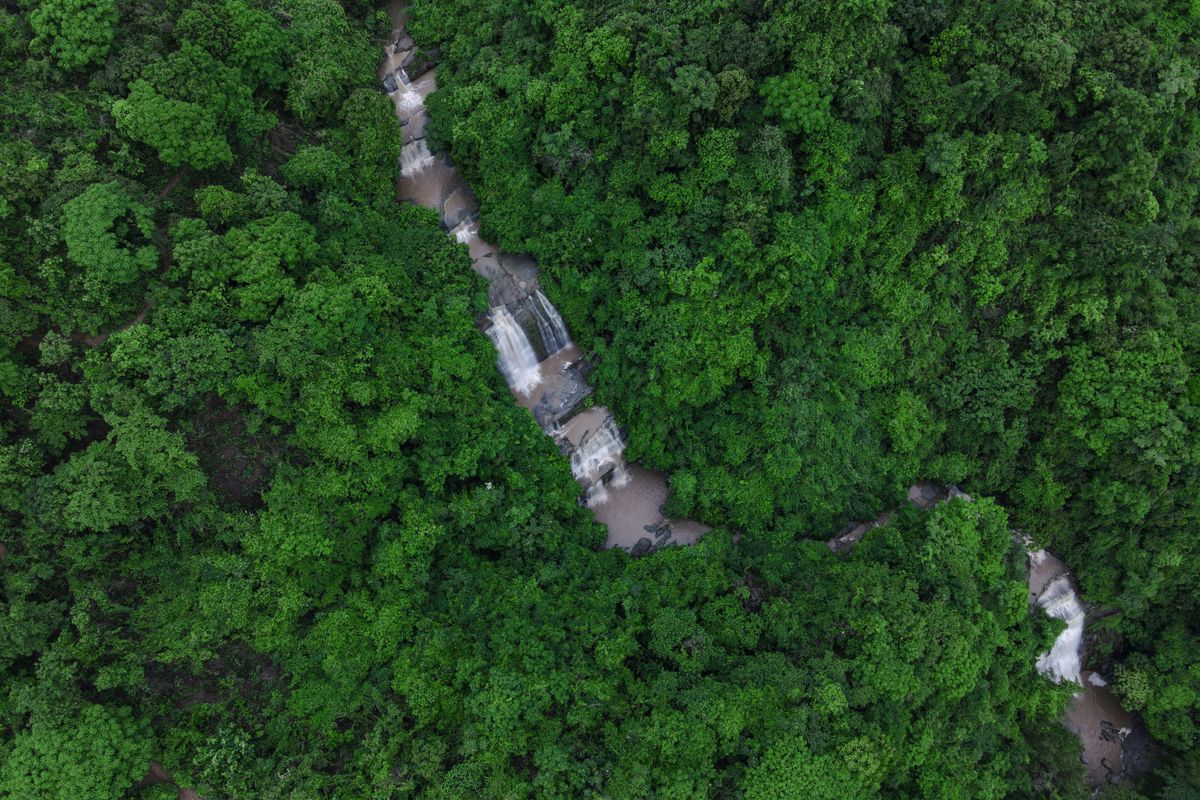
Pair Sonarpara with Himchari and Inani on a separate day rather than cramming all three. Himchari's waterfall and hilltop viewpoint are about 12 kilometres south and best in the early morning; Inani's quieter beach is another 18 kilometres beyond. For a family with small children, I would book a hotel in Kalatali, spend one unhurried morning at Sonarpara, and keep the afternoons for the hotel pool or a shaded nap. Confirm the CNG fare before boarding and keep small notes handy.
Questions, answered
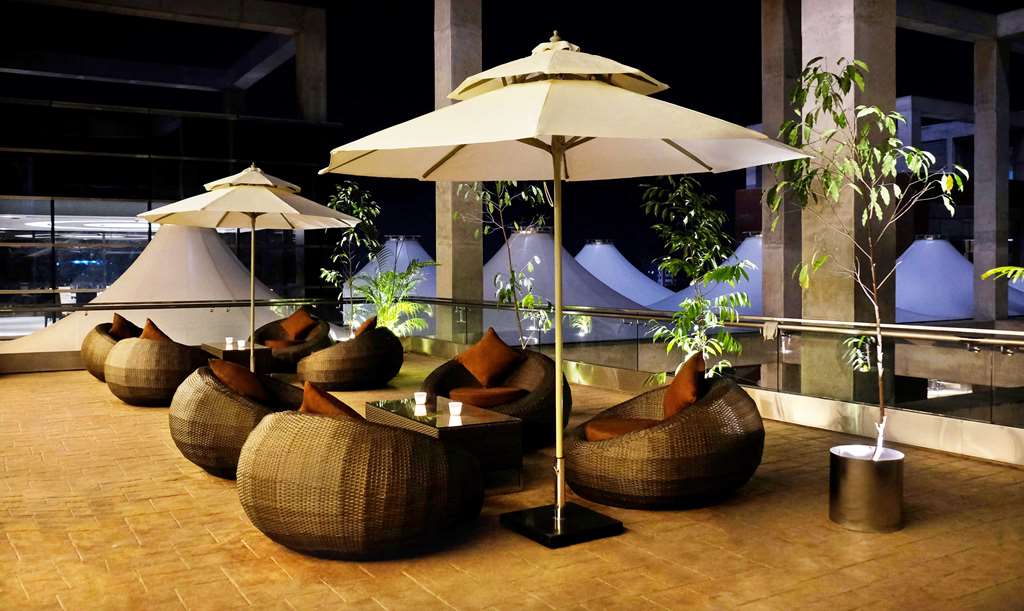
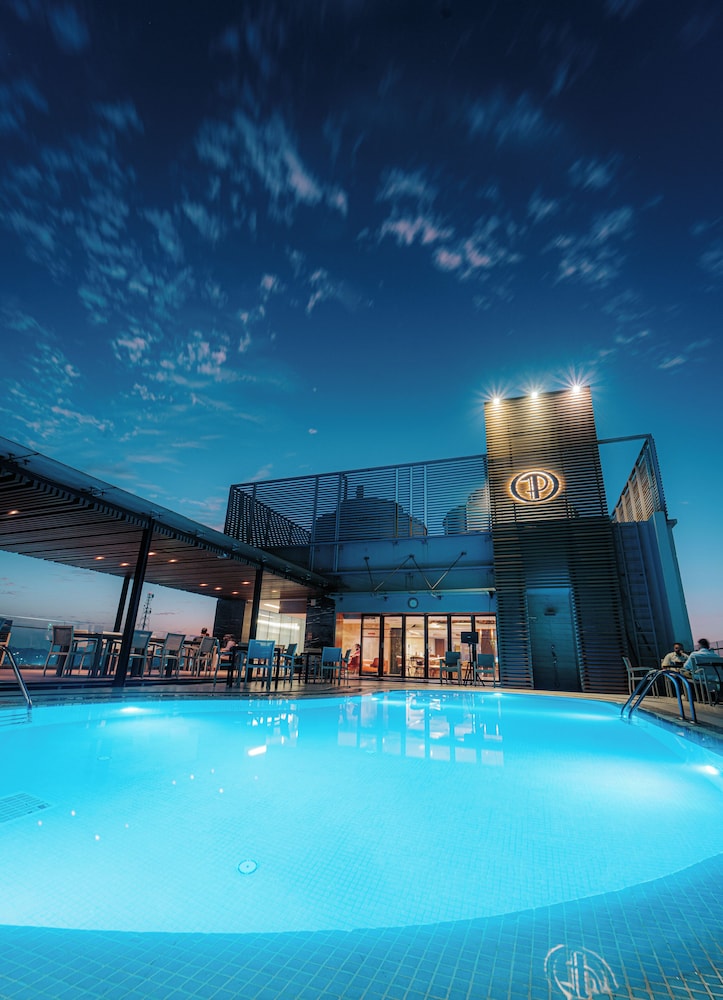
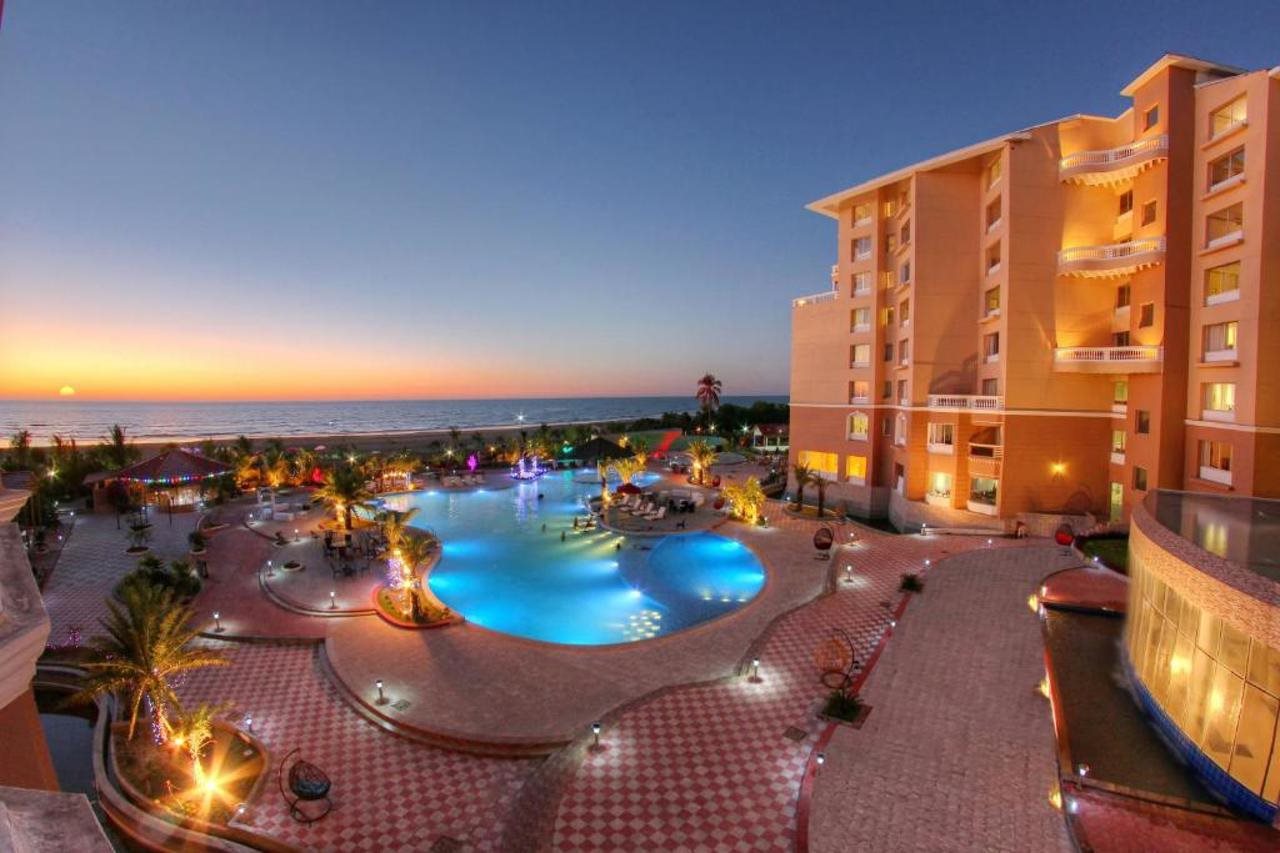
Hotels in Cox’s Bazar
See all stays →Curated picks are coming — meanwhile, the live search covers every bookable property at the same price or better.