What Sonadia Actually Is, and Why the Birds Come
Sonadia is a nine-square-kilometre silt island at the mouth of the Matarbari channel, roughly 25 km north of Cox's Bāzār town and reached by boat from the Fishery Ghat area near Moheshkhali. Most of it is mudflat, mangrove and sand spit rather than forest, so the birdlife is wader-heavy: curlews, godwits, sandpipers, terns and gulls on the flats, plus kingfishers and herons in the channels. Winter migrants arrive from November and thin out by March, with December and January the most reliable weeks for numbers.
Between the tides, the island is also one of the easier places in the district to watch raptors. Brahminy kites and white-bellied sea eagles work the channel edges through the morning, and the sandbars on the eastern side hold roosting flocks that are visible without entering the flats. Carry binoculars if you have them; a 7x42 or 8x42 pair is enough, since most viewing is at 50 to 300 metres. A scope helps on the mud but is not essential, and hiring one locally is not realistic.
Tides, Timing and the Boat Crossing
The single thing that decides your day is tide. Low water exposes the flats and concentrates birds along the wet edge; high water pushes them to the sandbars and into the mangroves. Aim to be on the island two hours either side of low tide, which shifts roughly 50 minutes a day, so check a Cox's Bāzār tide table the evening before and build the trip around it rather than around breakfast. Early mornings, from first light to about 10am, are cooler, calmer and far better for raptors.
Boats leave from the ghats around Moheshkhali and from Fishery Ghat, and the crossing runs 30 to 60 minutes depending on the vessel and the tide. Shared boats are the norm and cost a few hundred taka per person, while a hired boat for a small group is a few thousand; agree the return time and the landing point before you set off, because mobile signal on the water is patchy. Bring sun cover, two litres of water per person and cash, since there are no ATMs or card readers on the island.
A Realistic Half-Day Route
Land on the western spit, walk the firm sand above the waterline rather than cutting across the mud, and work north along the channel edge where the birds are least disturbed. Keep 100 metres from roosting flocks and stay low; a group that stops and stands still sees more than one that walks the whole beach. A loop of two to three hours covers the main flats and the mangrove fringe without pushing into the interior, which is soft, hot and largely birdless at midday.
If you have a full day, add the eastern sandbars on the falling tide and a slow pass along the channel for terns and gulls. Do not attempt the interior tracks in the wet season, roughly June to September, when the island turns to deep mud and the crossing becomes uncomfortable; those months are for Cox's Bāzār beach mornings instead. Bring a hat, reef-safe sunblock, a light long-sleeved shirt and closed sandals you can rinse. Skip the guided trips that promise tigers or deer; Sonadia has neither.
Where to Base Yourself and What to Skip
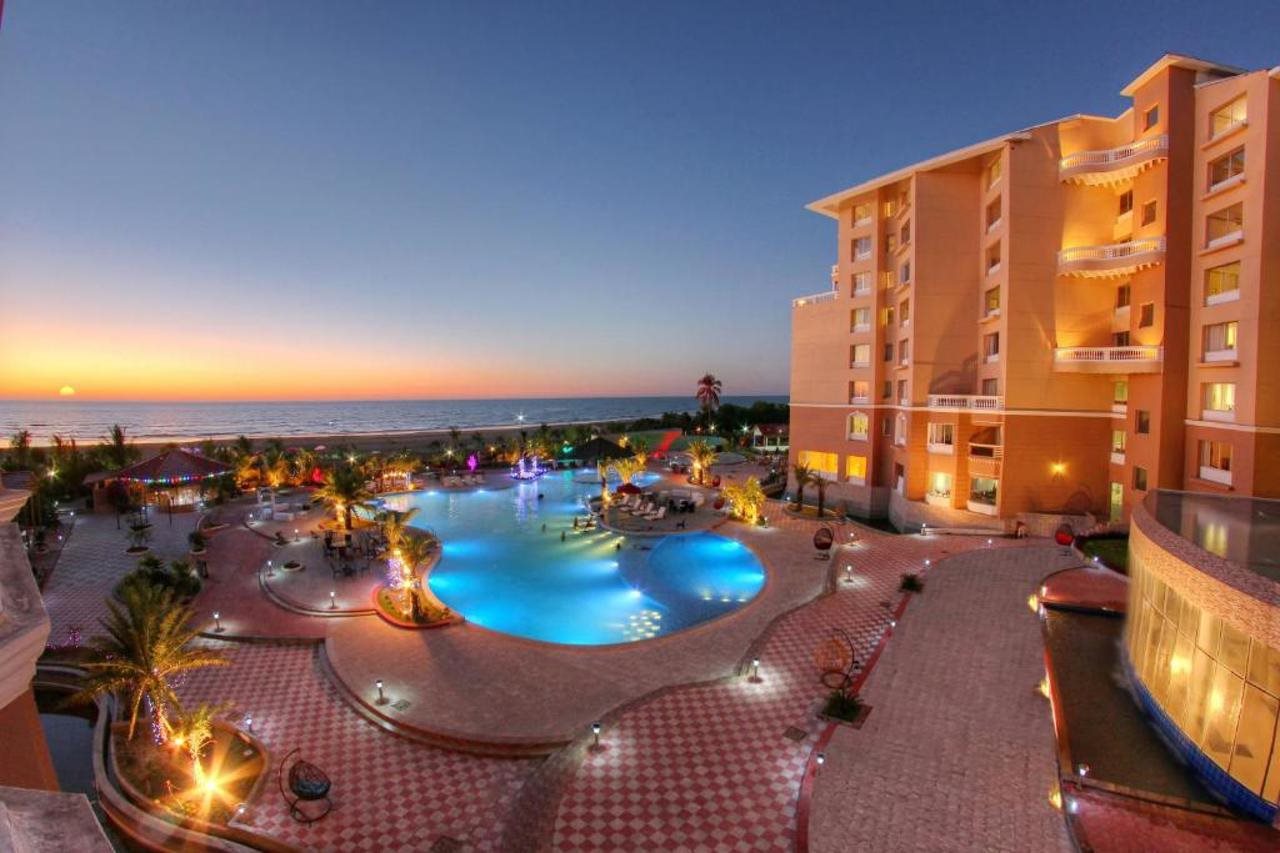
Base in Cox's Bāzār town rather than on the island, which has no hotels worth booking for a birding trip. Kolatoli and Sugandha are the convenient strips, ten to fifteen minutes by CNG from Fishery Ghat and close to the main bus stands; Himchari Road suits travellers with a car and a preference for quieter evenings. A mid-range hotel with air conditioning, hot water and a generator is the sensible choice for a 5am start, and booking two nights lets you keep one morning flexible for tide.
Questions, answered
Hotels in Cox’s Bazar
See all stays →Curated picks are coming — meanwhile, the live search covers every bookable property at the same price or better.