Snacks and Street Food Along the Road to Himchari Falls
The 8 km run south from Cox's Bāzār town to Himchari is short on distance and long on food stalls, so here is what is worth stopping for, what it costs, and how to time it around the crowds.
The road itself: Marine Drive and the first stop at Kolatoli
Himchari sits about 8 km south of Cox's Bāzār town along Marine Drive, the coastal road that hugs the beach past Kolatoli and Sugandha Point. Traffic moves slowly, especially between 10am and 4pm, so a 20-minute drive becomes 35. Most snack stalls cluster near Kolatoli Circle and the Sugandha beach car park, where you will find green coconut, sugarcane juice pressed to order, and small shops selling chanachur and jhalmuri. Budget roughly 30–80 taka per item and carry small notes.
What I would actually buy at this end is a green coconut (40–60 taka) and a packet of chanachur, then keep moving. The Kolatoli strip is convenient but priced for beach crowds and the seating is exposed. If you are staying near Kolatoli or Sugandha, walk rather than drive the first stretch — parking around Sugandha Point fills early and the roadside gets congested once the tour buses from Dhaka arrive, usually Friday and Saturday mornings.
Midway: shrimp, dry fish and Burmese-influenced sweets
Between Kolatoli and Himchari the road passes fishing settlements where dried fish hangs out to dry on bamboo frames. This is the best place in the area to buy dry shrimp (shutki) and dried fish by weight — expect 300–600 taka for a 250 g bag depending on the variety. Vendors will let you smell before you buy, which you should do; good shutki smells of the sea, not ammonia. Ask them to double-bag it, because the smell will otherwise follow your luggage home.
Sweet stalls along the same stretch sell goods influenced by the region's long trading history with Myanmar — sticky rice cakes, sesame and jaggery sweets, and a coconut-and-rice pudding sold in small earthen pots. Prices sit around 20–50 taka each. Buy in the morning when stock is fresh, not late afternoon. I would skip the deep-fried snacks sitting under flies in open trays and choose anything still wrapped or scooped from a covered pot.
At Himchari: what to eat at the falls and the beach
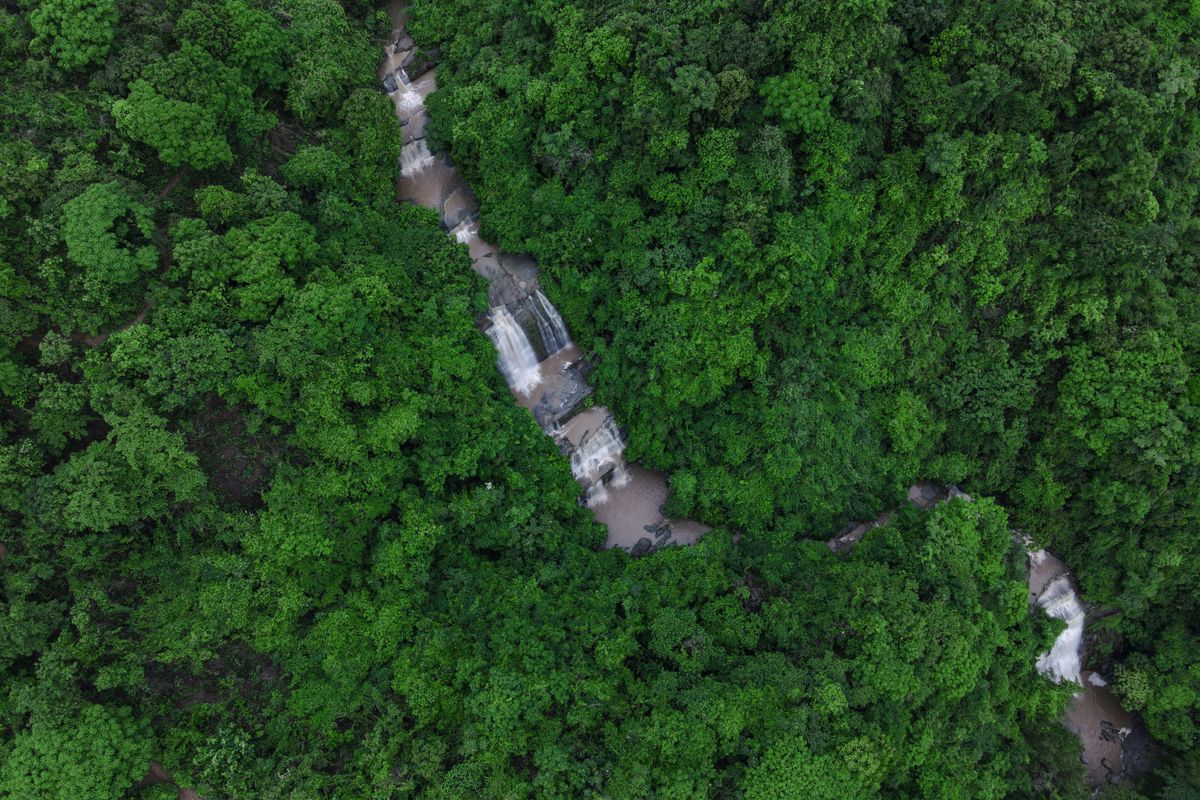
Himchari itself is a small cluster of food stalls at the base of the hill, plus a beach section below. The signature eat is fresh sea fish grilled or fried at the beach stalls — small reef fish and pomfret, priced by weight, commonly 400–900 taka for a plate including rice and dal. Agree the weight and the total price before it goes on the fire. The falls are a short climb from the road; in the dry months from November to March the water is thin, and the setting matters more than the cascade.
For drinks, stick to sealed bottles, or hot tea boiled on site. Fresh fruit — pineapple, guava, watermelon cut to order — is a safe and cheap choice at 30–60 taka a plate. The restaurant at the top of the hill has proper seating and a view but slower service and higher prices; the beach stalls are quicker. I would book a hotel in Cox's Bāzār town rather than staying right at Himchari, because accommodation near the falls is limited and the town gives you far more choice for dinner.
Timing, traffic and how to plan the day around the food
Go early. Leaving Cox's Bāzār town around 7–8am means cool air, empty roads and stalls just opening with fresh stock. By noon the Himchari car park is full of minibuses and the beach stalls get slow. The best months are November to February: dry, mild and comfortable. Avoid the Eid holidays and the Bengali New Year week in mid-April, when Marine Drive becomes a crawl and food queues lengthen. Afternoon rain from June to September closes many beach stalls entirely.
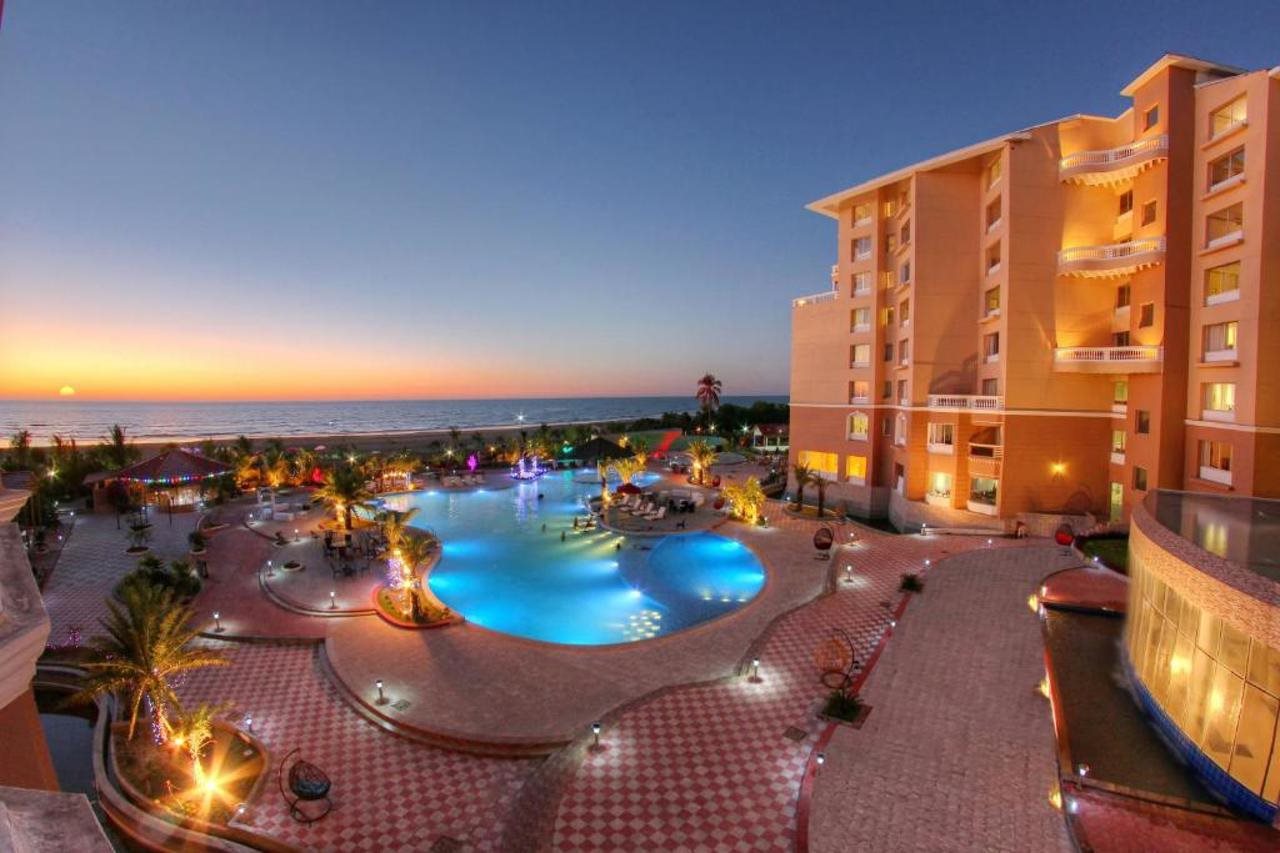
Bring cash, since card acceptance is close to zero on this stretch, and carry a bag for anything smelly. If you have limited time, do Himchari in the morning and Inani beach further south in the afternoon — the food options at Inani are similar but the sand is quieter. For most visitors I would book a hotel in the Kolatoli or Sugandha area of Cox's Bāzār town: you are 20 minutes from Himchari, close to reliable restaurants for dinner, and away from the day-trip crush.
Related articles
Questions, answered
Hotels in Cox’s Bazar
See all stays →Curated picks are coming — meanwhile, the live search covers every bookable property at the same price or better.