Shell Collecting on the Beaches Around Cox's Bāzār: Where to Go and What to Expect
Sugandha, Laboni, Himchari and the quieter stretches south of town each offer different shelling, different crowds and different tides, so where you stay changes what you find.
Sugandha and Laboni: the two beaches you can walk to from a Cox's Bāzār hotel
Sugandha Beach begins at the Burmese market end of town and runs south past Kalatali, and it is the most convenient shelling for anyone staying in the Kalatali or Sugandha hotel strip. The beach is wide and flat, so low tide exposes a long band of wet sand where cowries, olive shells and small cones collect in the runnels. Walk south from the Sugandha Point car park for fifteen to twenty minutes and the crowd thins quickly. The best months are November to February, when the sea is calmer and the morning light comes up over the water.
Laboni Beach sits closer to the main hotel district and the bus stand, which makes it the easiest option if you have only an hour before breakfast. It is busier, with pony rides and vendors along the top of the sand, so the shelling is picked over near the entrance. Head north towards the Moheshkhali Channel mouth instead, where the current drops smaller gastropods and fragments of coral. Skip Laboni at midday on a Friday, when local day-trippers fill the sand and there is little room to comb quietly. Between the two, I would book a hotel near Kalatali and treat Sugandha as the morning walk.
Himchari and Inani: the reef-and-forest stretch south of town
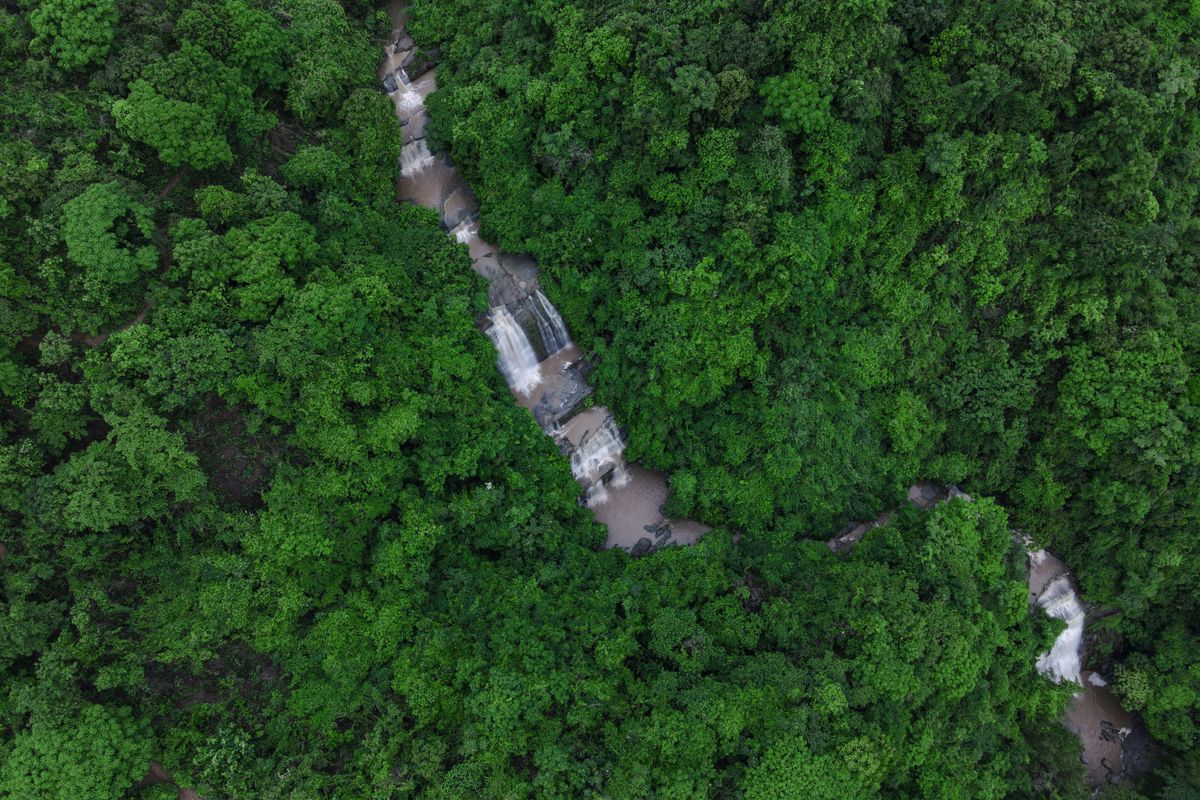
Himchari National Park is about 12 kilometres south of Cox's Bāzār along the Marine Drive, roughly 30 to 40 minutes by CNG or car depending on traffic at the Dolphin Point junction. The beach here is narrower and backed by hills, and the mix of reef rock and sand means you find heavier shells: turban shells, cowries with the enamel intact, and the occasional sea urchin test. The small waterfall and the hilltop viewpoint are the usual stops, but the shelling is best on the southern side of the headland, away from the picnic tables. Go early; the park gate and the beach both fill by late morning in season.
Further south, Inani Beach is about 28 kilometres from town, an hour or so by road, and its hard coral reef makes it the most rewarding collecting on this coast. The reef is exposed at low tide, and the flat rock shelves hold small cowries, limpets and brittle stars in the pools. It is also the busiest weekend beach after Sugandha, so aim for a weekday morning and check a tide table before you set out. The road back is unlit in places, so do not linger past late afternoon. If you want one half-day trip from your Cox's Bāzār hotel, make it Inani with a stop at Himchari on the return.
Where to base yourself for a shelling trip
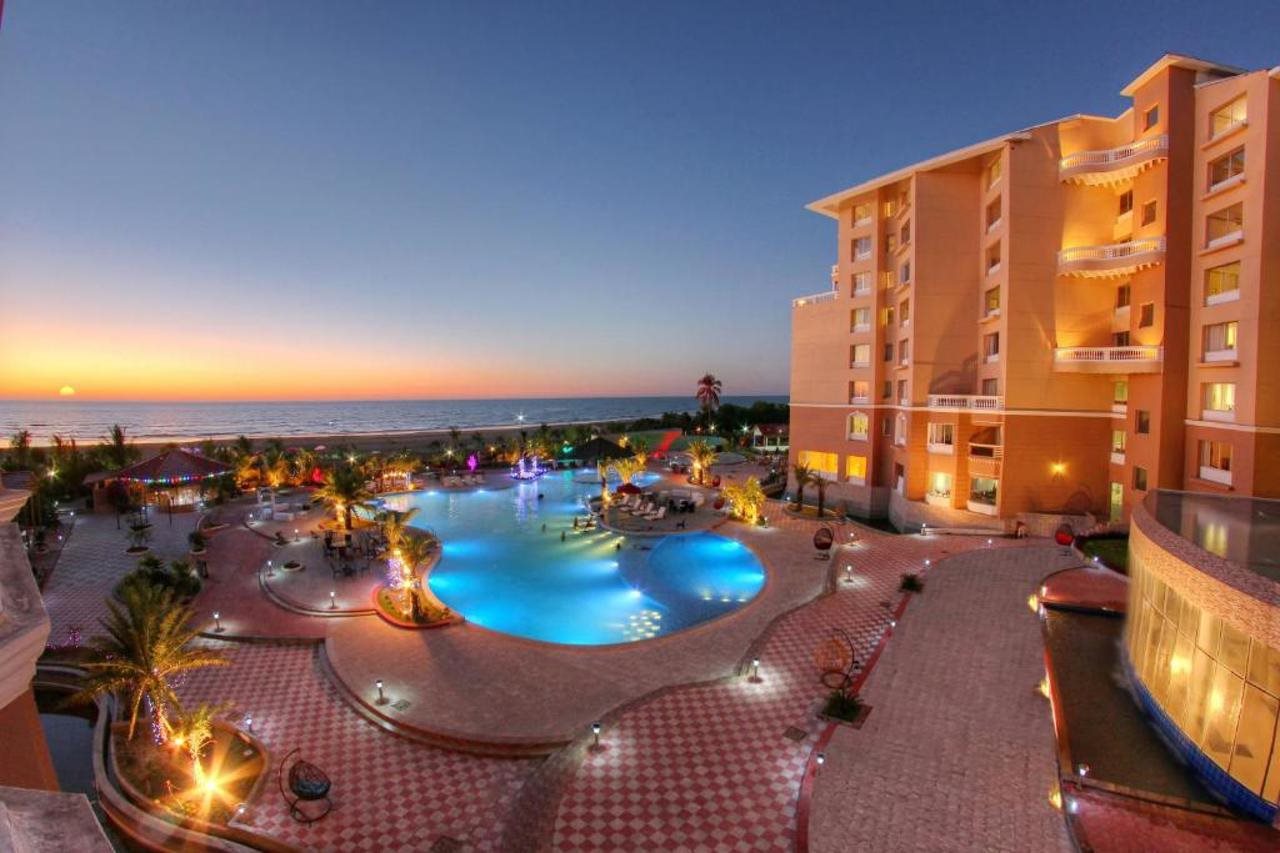
Kalatali Road and the lanes behind Sugandha Beach are the practical base: you are a five- to ten-minute walk from the sand, and the main hotel cluster, restaurants and the Dolphin Circle bus stop are all close. Rooms in this strip range from simple guesthouses to mid-range hotels with breakfast included, and rates climb sharply in the December-to-January peak and around Eid holidays. Book two or three weeks ahead for a sea-view room in season; walk-in rates in the same week are noticeably higher and the best rooms go first. Kolatoli Circle is the transport hub for CNG hire to Himchari and Inani.
If quiet matters more than convenience, the smaller hotels along the Marine Drive towards Himchari give you sea views and a shorter drive south, at the cost of needing a CNG for every meal and every errand. Do not book a room in central Cox's Bāzār town near the bus station if you plan to be on the beach at sunrise; the traffic on the main road starts early and the walk to the sand is long. For a first visit, I would take a mid-range hotel on Kalatali Road and use it as a base for both the town beaches and the Marine Drive.
Tides, seasons and practical shelling
The tide governs everything here. The Bay of Bengal has a strong semi-diurnal cycle, and the two hours either side of low tide are when the shell beds are exposed; at high water there is nothing to comb. Local fishermen and hotel staff can tell you the day's timings, and a printed tide table is sold in the shops near Sugandha Point. Carry a light bag rather than a bucket, wear sandals for the reef at Inani, and rinse shells in fresh water before packing them, or the salt will smell by the time you reach Dhaka.
November to February is the comfortable window: dry, breezy and calm enough to walk the reef. March to May gets hot and humid, and the monsoon from June to September brings heavy surf that moves the shell beds and makes the Marine Drive slips risky. Whatever the season, take your litter back to the hotel, do not prise live shells off the reef, and leave the starfish where they are. The Bangladesh Forest Department protects the Himchari area, so collecting there should stay to loose shells on the sand.
Questions, answered
Hotels in Cox’s Bazar
See all stays →Curated picks are coming — meanwhile, the live search covers every bookable property at the same price or better.