The Reality of Diving from Cox's Bazar
Cox's Bazar's coastline is dominated by wide, shallow sandy shelves and strong tidal currents, which means visibility often sits between 2 and 5 metres for much of the year. The best window is November to February, when the northeast monsoon brings calmer seas and clearer water; by April, plankton blooms and pre-monsoon winds cut visibility further. Local dive operators are few and mostly small-scale, and there is no established house-reef or wreck dive directly off the main beach. If you are imagining Caribbean-style walls or coral gardens, adjust expectations: this is a learning-and-conditions destination, not a showcase one.
That said, there are certified instructors who run discover-scuba sessions in the calmer waters off Himchari and Inani, typically in the early morning before the wind picks up. These are confined-water-style introductions, not open-water reef tours, and they are priced per session rather than per day. For a proper open-water certification or reef diving, most Cox's Bazar-based instructors will recommend travelling south to Saint Martin's Island or north to Teknaf, where rocky substrates and clearer currents offer better conditions. Treat any Cox's Bazar dive as a taster, not the main event.
Where to Base Yourself for Dive Access
If diving is a priority, base yourself in Kolatoli or Sugandha, where most dive-friendly hotels cluster and where instructors can pick you up before dawn. Kolatoli Point Road has a concentration of mid-range hotels with reliable hot water and generators, which matter for early starts. From there, Himchari is a 30–40 minute drive south along Marine Drive, and Inani another 20 minutes beyond. Hotels in these areas typically range from Tk 2,500 to Tk 6,000 per night in peak season (November–February), with budget options near the bus station from Tk 1,200. Avoid the far northern end of the beach if you want quick access to the southern dive sites.
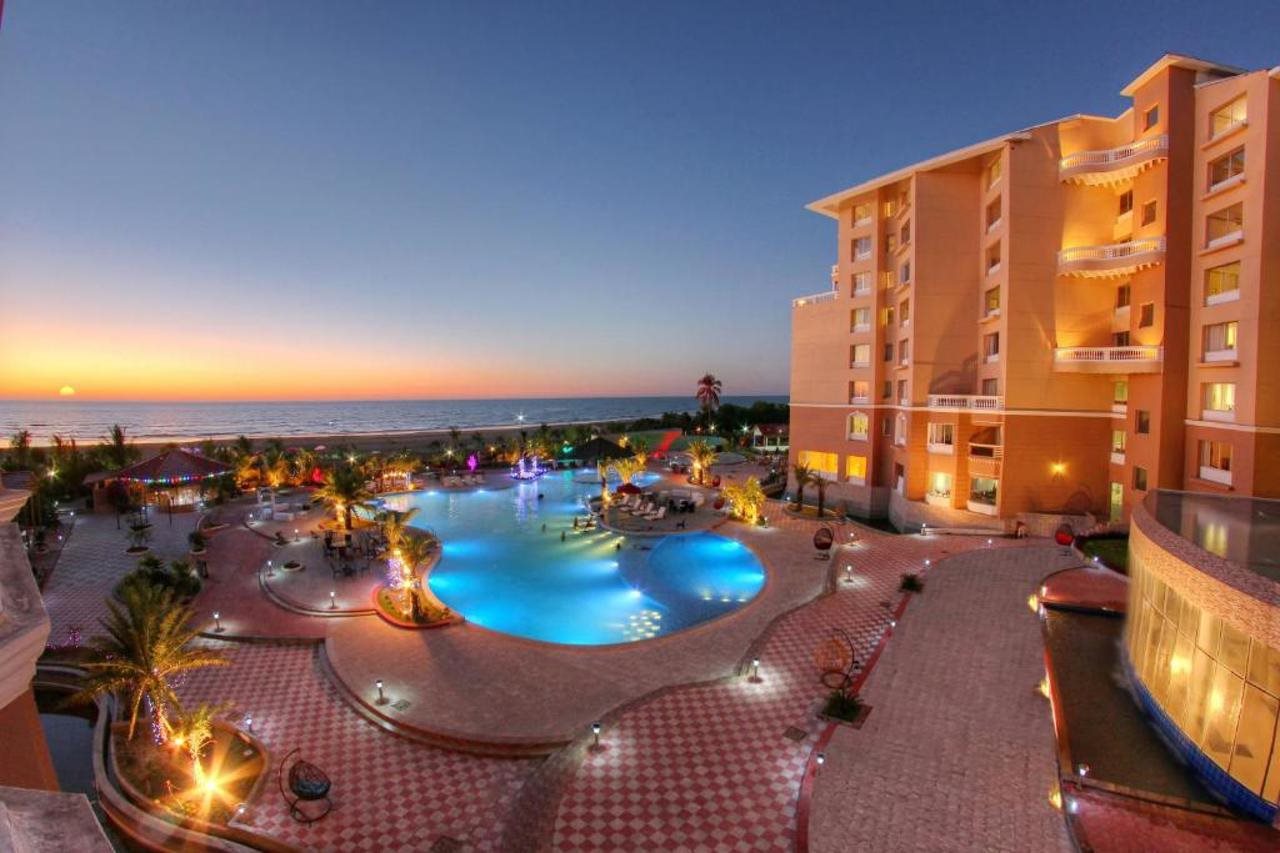
For a shorter transfer to the water, consider hotels around Sugandha Beach rather than the main Laboni strip, which is louder and further from the cleaner southern stretches. If you are combining diving with family time, the quieter stretch near Himchari has a handful of resorts with pools and easy beach access, though you will need a car or CNG for supplies. Book early for the December–January peak; the seven-day booking funnel shows searches far outpacing completed checkouts, so the best-value rooms go first.
Practicalities: Gear, Safety and Timing
Bring your own mask and snorkel if you can; rental gear in Cox's Bazar is limited and often sized for local users rather than international visitors. Most instructors provide tanks, regulators and buoyancy compensators, but check the service dates and ask to see the equipment before you commit. Dive sessions are typically tide-dependent, so plan for a flexible morning and keep the afternoon free. The sea is warm enough for a 3mm shorty from November to March, but a full 3mm suit is more comfortable in January when the air temperature can drop to around 15°C at dawn. Never dive without a certified instructor who knows the local currents.
Timing matters more than gear. The period from mid-November to late January offers the most consistent conditions, with calmer seas and fewer windy days. Avoid the Bengali New Year (mid-April) and Eid holidays, when the beach crowds swell and accommodation prices spike. If you are visiting outside the dive window, consider a snorkelling trip to Sonadia Island instead, which is a shorter boat ride from the Cox's Bazar jetty and offers shallow reef patches. Book your hotel with free cancellation in case a session is called off for weather.
My Recommendation and What to Skip
For most travellers, I would book a hotel in Kolatoli, take a single discover-scuba session with a recommended local instructor, and spend the rest of the trip exploring the beaches and hills. That gives you a genuine underwater experience without overpromising. If you are already certified and want real reef diving, skip the Cox's Bazar dive shops entirely and arrange a trip to Saint Martin's Island from Teknaf — a 2-hour bus or car ride plus a 2-hour ferry — where the rocky bottom and clearer water make the effort worthwhile. Cox's Bazar is better as a base for that onward journey than as a dive hub in its own right.
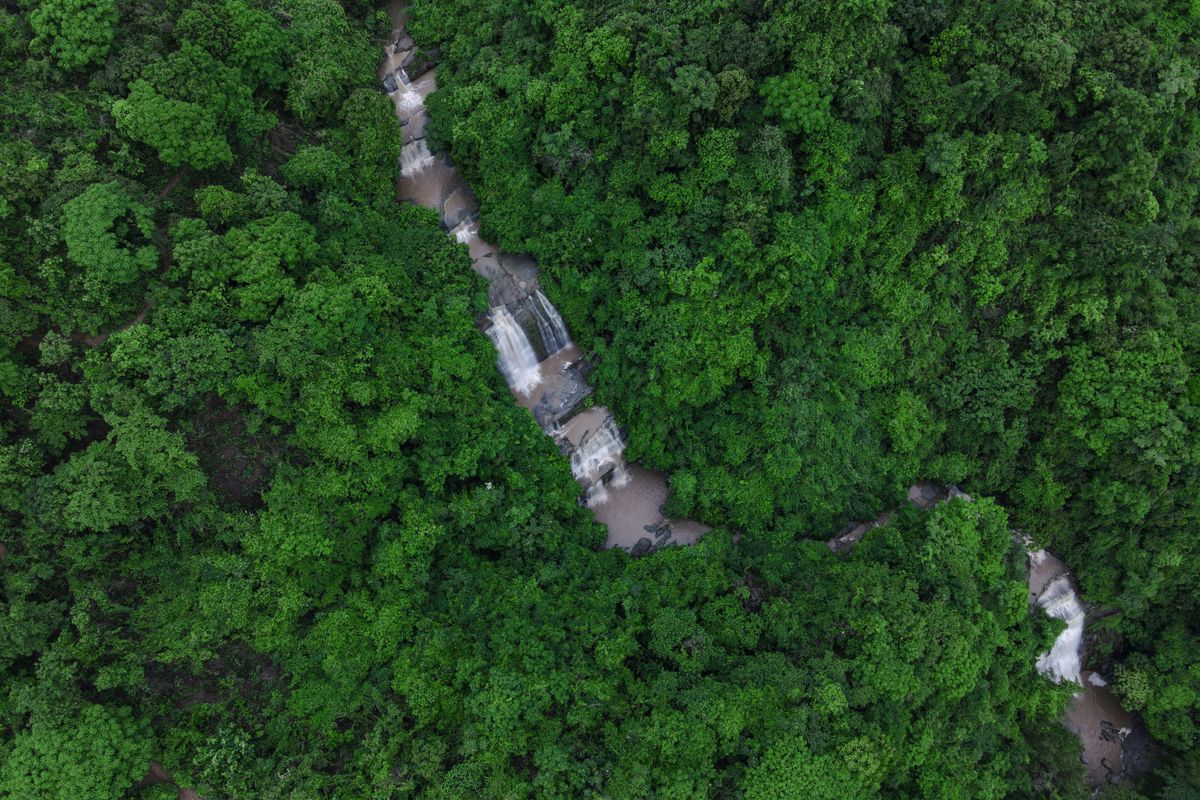
Skip the touted 'reef dives' sold on the main beach near Laboni Point; they often amount to a short boat ride and a guided swim over sand. Also skip any operator who cannot show certification cards or equipment logs. Instead, use your hotel as a comfortable base, confirm your instructor's credentials in advance, and treat the diving as a bonus rather than the purpose of your trip. The region's real strengths are its long beach, the Himchari waterfall trail and the seafood — not its underwater visibility.
Questions, answered
Hotels in Cox’s Bazar
See all stays →Curated picks are coming — meanwhile, the live search covers every bookable property at the same price or better.