Which departure point and what the crossing is like
Most travellers leave from the BIWTA jetty area near Cox's Bāzār's Fishery Ghat, where local ferries and trawlers run to Kutubdia. The crossing takes roughly 1.5 to 2.5 hours depending on the vessel and tide; larger ferries are slower but steadier. Departures cluster in the morning, often between 8am and 10am, and return trips dry up by mid-afternoon. Confirm the day's schedule at the ghat the evening before — timings shift with tides and demand, especially outside the peak season.
On board, expect basic seating, limited shade and no frills. Bring water, snacks and sun protection; there is rarely a working canteen. The channel can be choppy in the afternoon, so morning crossings are gentler. If you are prone to seasickness, take precautions before boarding. The ferry is a local service, not a tour boat, so keep expectations modest and enjoy the views of fishing trawlers and the low coastline as you approach Kutubdia.
Getting around Kutubdia and what to see
Kutubdia is a small island with a few villages, a lighthouse and quiet beaches. From the jetty, local rickshaws and motorbike taxis can take you to the lighthouse area or to the beach stretches on the western side. Fares are negotiated; agree on the price before setting off. The lighthouse itself may not be open to climb, but the surrounding area is peaceful and photogenic. Allow two to three hours on the island to see a couple of spots and have a simple lunch at a local eatery.
Do not expect resort-style facilities. There are a few basic shops and tea stalls; bring cash, as there are no ATMs on the island. Mobile signal is patchy. The main appeal is the slow pace and the sense of a working island community. If you want a beach day, the Cox's Bāzār beaches are far more accessible, so treat Kutubdia as a cultural excursion rather than a swimming stop. Responsible travel means dressing modestly and asking before photographing people.
Costs, timing and who this trip suits
Expect to pay a few hundred taka per person for the ferry each way, with higher rates for faster boats. Rickshaw fares on the island are similarly modest. There is no fixed price list, so confirm costs upfront. The best months are November to March, when seas are calmer and skies clearer. Avoid the monsoon from June to September, when crossings can be cancelled at short notice. Even in peak season, build flexibility into your day: ferries may wait to fill up, so return times can slip.
This day trip suits independent travellers who are comfortable with basic transport and limited infrastructure. It is not ideal for families with very young children or anyone seeking a polished excursion. If you have only a few days in Cox's Bāzār, prioritise the main beach and Himchari instead. For those with an extra day and a sense of adventure, Kutubdia offers a glimpse of island life that is increasingly hard to find. Book a hotel in Cox's Bāzār for the night before and after, so you are not rushing to catch the morning ferry.
Where to stay in Cox's Bāzār for an early start
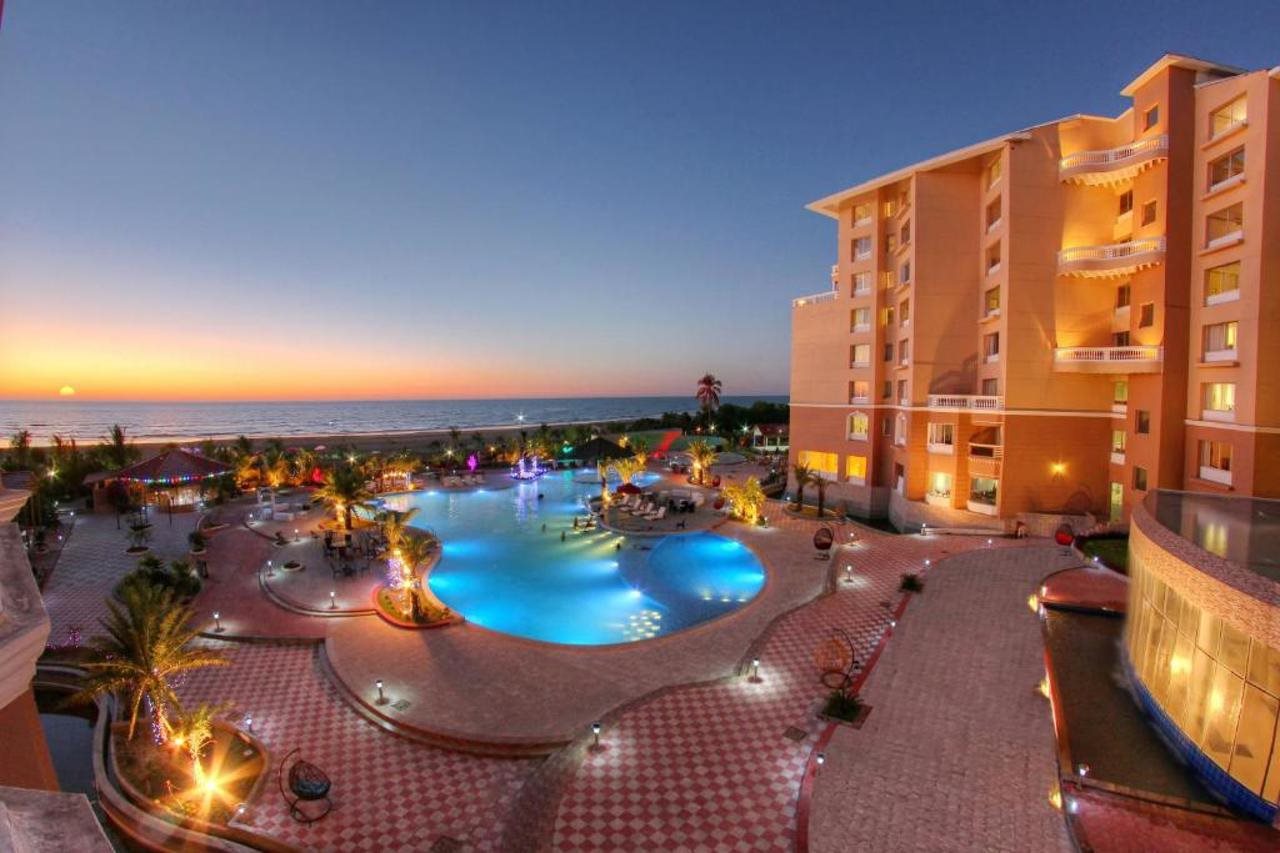
The ferry ghats are in the busy Fishery Ghat area, a short ride from most hotels. Staying in the central Kolatoli or Sugandha Beach area puts you 10 to 15 minutes by rickshaw from the jetty, which makes a 7am departure manageable. Hotels here range from simple guesthouses to mid-range properties with breakfast. Book a room with a 24-hour front desk if you plan to leave before dawn. Avoid staying in far-flung Inani or Himchari if Kutubdia is your priority, as the drive back adds an hour or more.
For a comfortable base, look for hotels along Kolatoli Road or near Sugandha Beach, where you can walk to restaurants in the evening. Many properties can arrange a packed breakfast or a rickshaw to the ghat if asked the night before. Book directly or through a local booking site to compare options and confirm the location. After a day on the water, a hot shower and a proper meal in Cox's Bāzār will feel well earned — and you will be glad you did not attempt the round trip from a distant resort.
Related articles
Questions, answered
Hotels in Cox’s Bazar
See all stays →Curated picks are coming — meanwhile, the live search covers every bookable property at the same price or better.