The Route: Kolatoli Point to Laboni Beach
Start at Kolatoli Point, the busiest stretch of Cox's Bāzār beach, marked by the Kolatoli Bus Terminal and the cluster of hotels along Hotel Motel Road. From the main beach access near Kolatoli Circle, head south along the sand. The walk to Laboni Beach is about 2.5 kilometres and takes 30 to 40 minutes at a relaxed pace. The sand is firm near the waterline, making it easy to walk, but avoid the soft dry sand further up the beach where progress is slower. Early morning or late afternoon is best to avoid the midday heat, especially between March and October when humidity is high.
Along the way, you'll pass several beach-entry points and lifeguard towers. The route is straightforward: keep the sea on your left and the hotel strip on your right. You'll cross a small creek, the Bakkhali River outlet, about halfway; during the dry season (November to February), it's a shallow wade, but in the monsoon, it can be knee-deep, so consider walking via the road for that short section. Landmarks include the Coral Reef Restaurant and the Sea Gull Hotel, both visible from the beach. The walk is safe during daylight hours, but avoid it after dark when the beach is poorly lit.
Laboni Beach is the more developed of the two, with plenty of food stalls, seating, and activity. If you prefer a quieter end, continue another 500 metres south to Sugandha Beach, which is less crowded and popular with locals. The entire strip from Kolatoli to Sugandha is about 3.5 kilometres and can be done in under an hour. For those staying near Kolatoli, the walk to Laboni is a pleasant way to start the day; for those in Laboni, reverse the route and finish with breakfast at one of the Kolatoli cafes.
What to See and Do Along the Way
The beach itself is the main attraction, but there are several points of interest. Near the starting point, the Fishing Boat Harbour at Kolatoli is worth a look in the early morning when boats return with the catch. You'll see traditional wooden trawlers and dried fish being processed—a glimpse of the local economy. As you walk south, you'll pass the Burmeese Market, a small cluster of shops selling dried fish and souvenirs. Prices are negotiable, but as a guide, a small packet of dried fish might cost around 100–200 taka; however, avoid buying if you're not sure of quality. The market is busiest in the late afternoon.
About a kilometre in, you'll reach the area known as 'Himchari Road' where several beachside hotels and restaurants are located. This is a good spot to pause for a drink; there are tea stalls and small cafes. The beach here is wider and less crowded than at Kolatoli. Keep an eye out for the Red Crab, a local landmark—a large sculpture of a crab that makes for a fun photo. For those interested in a longer walk, continue past Laboni to Himchari, which is another 8 kilometres; however, that's a full-day hike and requires an early start. Most travellers should stick to the Kolatoli–Laboni stretch.
Wildlife is limited to birds and the occasional stray dog, so don't expect to see much else. The beach is also used by local fishermen, so be respectful and keep a distance from their nets and boats. If you're walking during the monsoon (June to September), be aware that the beach can be narrower and the waves stronger; check with your hotel about conditions before setting out. Also, there are no public toilets along the route, so plan accordingly. The best months for this walk are November through February when the weather is dry and temperatures are pleasant.
Where to Stay and Eat
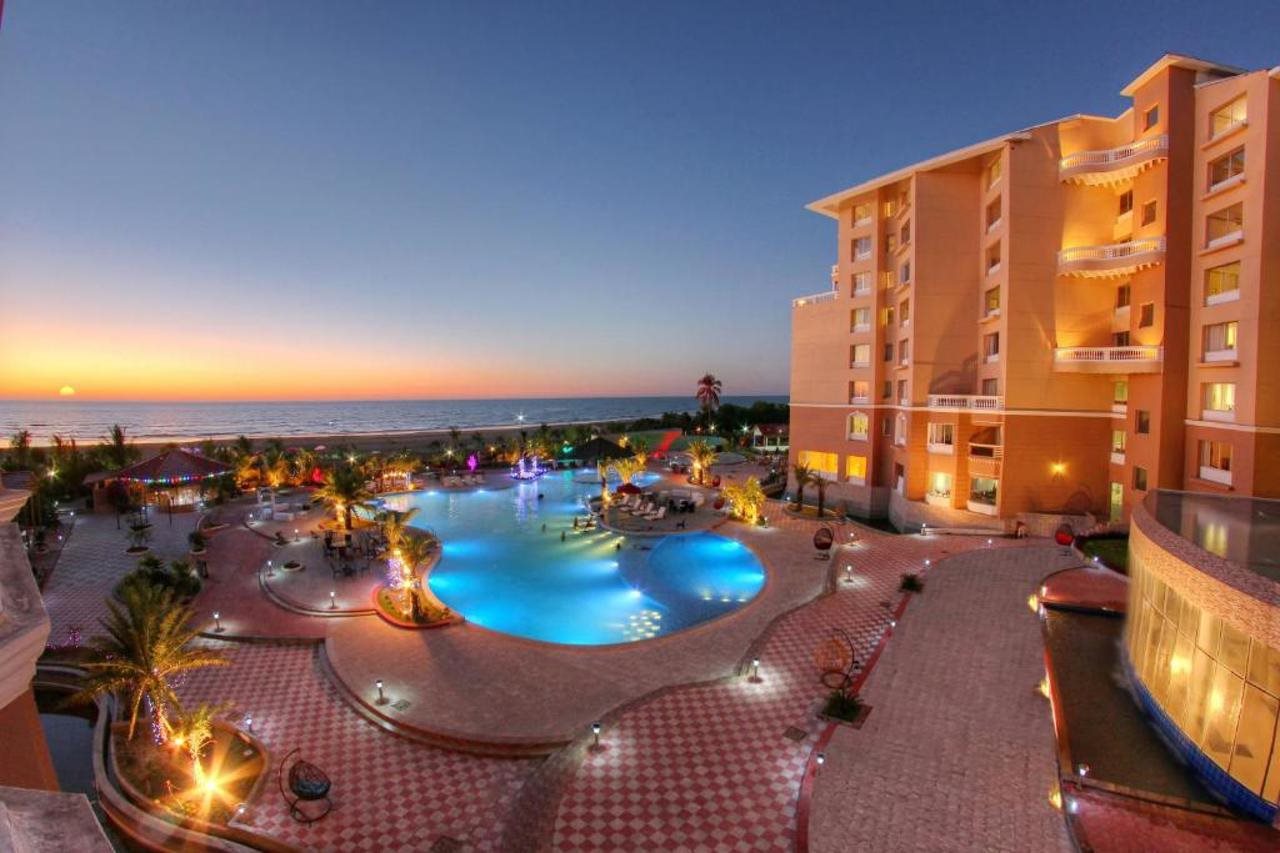
Kolatoli has the highest concentration of hotels, from budget guesthouses to mid-range options. For easy beach access, consider hotels along Hotel Motel Road or near Kolatoli Circle. Prices vary by season: in peak season (December–January), expect to pay 2,000–5,000 taka per night for a double room; in low season, rates can drop by 30–50%. Laboni is slightly quieter but still has a good range of hotels, many with sea views. If you want to be close to the action but not in the middle of it, Laboni is a good compromise. Sugandha is even quieter, with fewer hotels but more local character.
For eating, Kolatoli has numerous restaurants serving Bangladeshi and international cuisine. The hotel restaurants are reliable but can be pricey; local eateries offer better value. Try the small cafes near the beach for fresh seafood—grilled fish with rice is a staple. Laboni has a cluster of food stalls near the main entrance; hygiene can vary, so choose busy stalls with high turnover. A meal at a mid-range restaurant will cost around 300–600 taka per person. For breakfast, many hotels include it; otherwise, there are tea stalls serving parathas and omelettes. Avoid drinking tap water; bottled water is widely available.
I would book a hotel in Laboni for a balance of convenience and calm. It's a 10-minute walk to the main beach, and you have easy access to both Kolatoli and Sugandha. For families, Kolatoli's amenities might be more practical. For budget travellers, the guesthouses in Sugandha offer the best value. When booking, check if the hotel has a generator, as power cuts are common. Also, confirm the cancellation policy, especially during monsoon when travel plans can be disrupted.
Practical Tips for the Walk
Wear comfortable sandals or shoes that can get wet; flip-flops are fine for the sand but not for the road sections. Bring sunscreen, a hat, and sunglasses—the sun is strong even on cloudy days. Carry water; you can buy bottled water along the way, but it's cheaper to bring your own. There are no public changing facilities, so wear your swimwear under your clothes if you plan to swim. The beach has strong currents in some areas, so swim only where locals do and never alone. Lifeguards are present at Kolatoli and Laboni during peak hours, but not along the entire stretch.
The walk is mostly flat, but the soft sand can be tiring. If you have mobility issues, consider taking a rickshaw along the road instead; a ride from Kolatoli to Laboni should cost around 50–100 taka, but agree on the price first. For those with young children, the walk might be too long; you can break it up with a stop at the Red Crab sculpture or the Burmeese Market. Remember that the beach is a public space, so dress modestly, especially away from the main tourist areas. Photography of fishermen and locals should be done with permission.
In terms of timing, start by 7 am to catch the sunrise and avoid the crowds. The walk back can be done along the road if the tide is high. The road route passes through the main hotel district, so it's a good opportunity to scout restaurants. If you're staying in Kolatoli, you could walk to Laboni and take a rickshaw back. The total walking time for a round trip is about 1.5 hours, plus stops. This makes for a half-day activity; combine it with a visit to the nearby Cox's Bāzār Lighthouse or the Burmese Market for a full day.
Related articles
Questions, answered
Hotels in Cox’s Bazar
See all stays →Curated picks are coming — meanwhile, the live search covers every bookable property at the same price or better.