Beach Road and the Seafront in the Rain
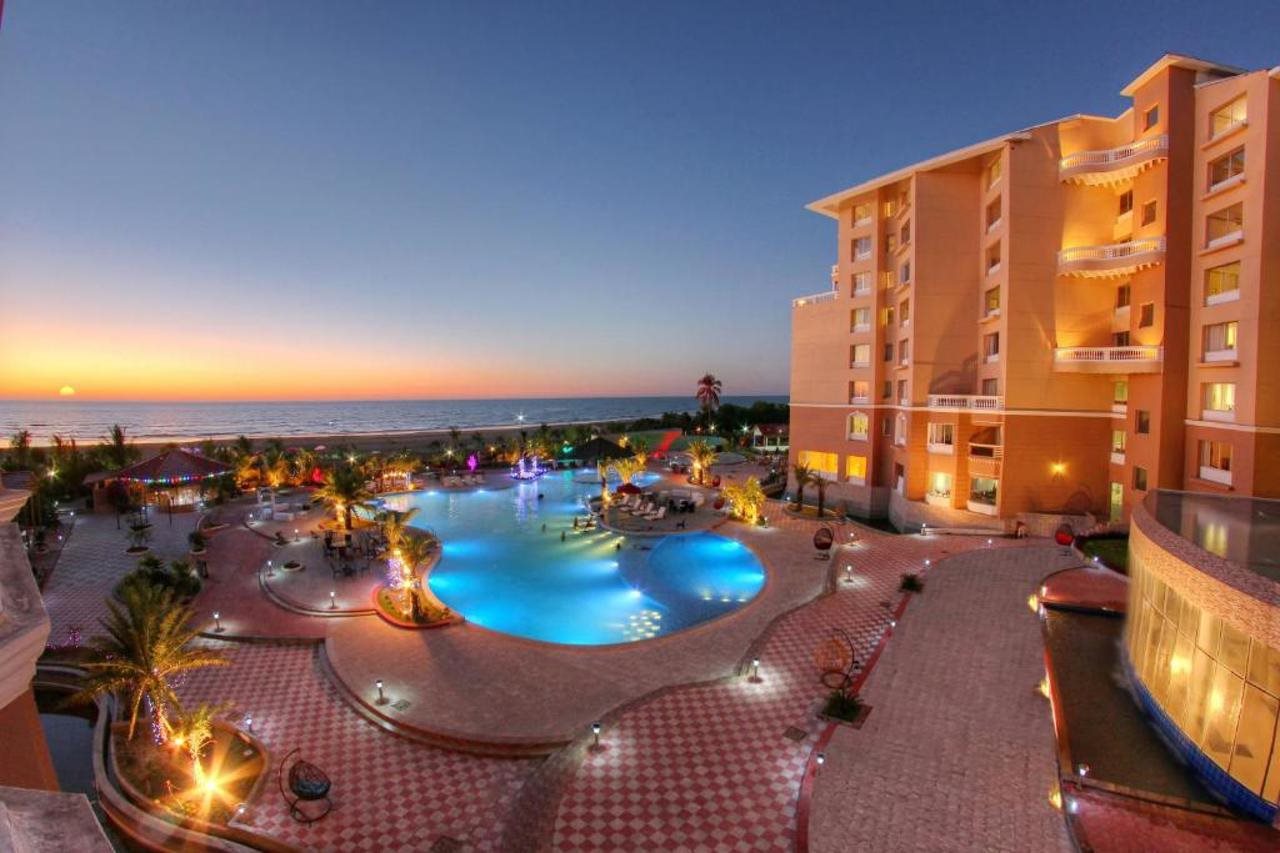
Kolatoli's seafront is the first thing to check. The wide sandy beach itself remains accessible—there is no gate—but swimming is effectively off from June through September. The Bay of Bengal here runs heavy surf and strong rip currents, and lifeguards are absent. You will see red warning flags at the main Kolatoli access points. The beach is still worth walking early morning, when the rain often pauses, but do not treat it as a swim. Hotel sea-facing balconies and the promenade become the main viewing platforms.
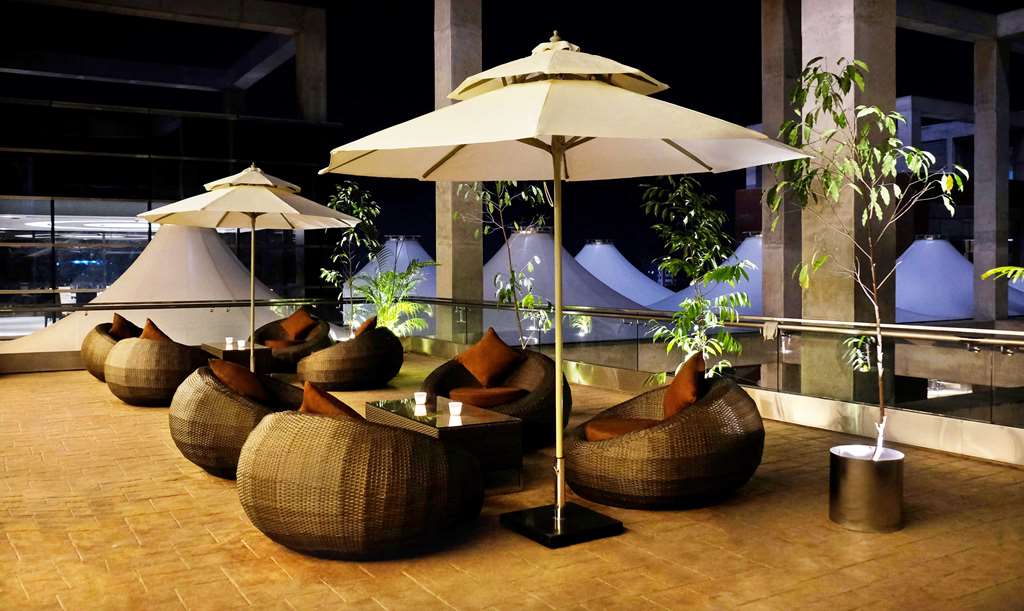
The Kolatoli–Sugandha stretch of Beach Road stays open, and most seafront hotels keep their restaurants and rooftop terraces running for guests. What closes are the seasonal beachside shacks and the horse and speedboat operators. The pony carts that line the sand in winter are gone by mid-June. If you want the beach to yourself, this is the season—just bring a rain shell and accept that sand will stick to everything. The main Kolatoli roundabout, with its rows of hotels and restaurants, remains active, though many shops reduce hours.
Hotels: Who Stays Open and What to Expect
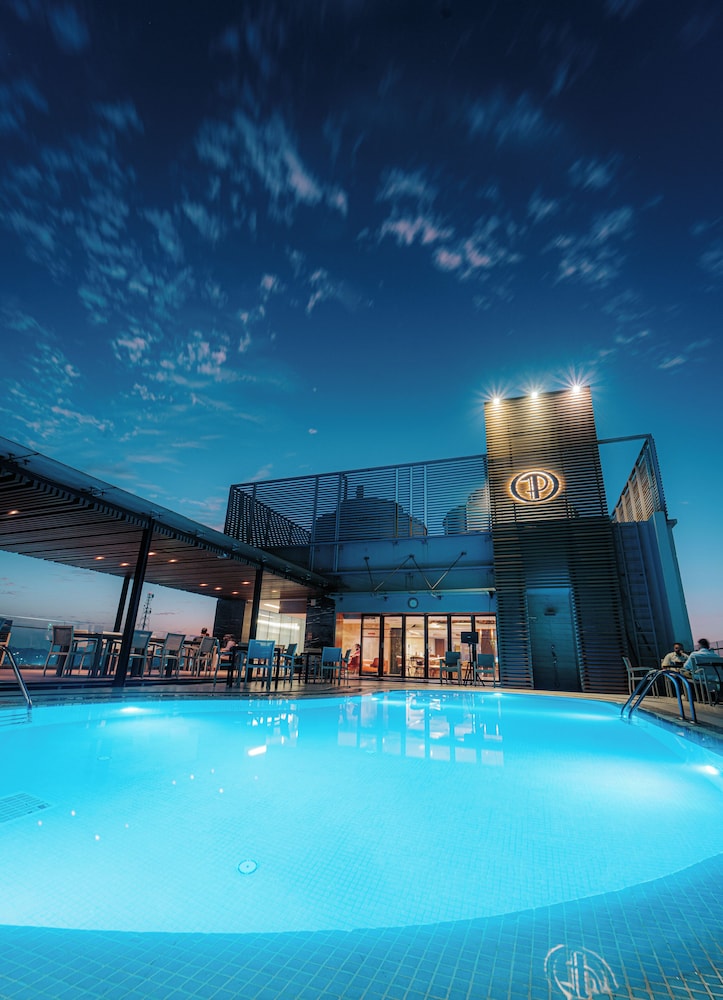
Most hotels in Kolatoli and nearby Sugandha stay open year-round, but the guest mix changes completely. Winter is domestic family season; monsoon is quieter, with more solo travellers and couples. Rates drop—expect 30–50% below December peaks at mid-range properties—but do not expect every facility. Pools may be closed for maintenance, and some rooftop restaurants shut on rainy days. The bigger hotels along the Kolatoli main road tend to keep more services running than the small guesthouses tucked behind Beach Road.
If you are booking, prioritise properties with an indoor restaurant and reliable hot water. Sea-facing rooms are cheaper now, but the wind-driven rain can make balconies unusable for days. Ask whether the hotel has a backup generator—power cuts are more frequent in storms—and whether they provide airport or bus-station pickup, since arriving in a downpour is miserable. I would book a mid-range hotel on the Kolatoli main road over a beachfront budget guesthouse in July; the walk is short either way, and the services are more dependable.
Restaurants, Markets and Getting Around
Restaurant life narrows but does not stop. The cluster around Kolatoli Circle—including the well-known fast-food and biryani places—stays open, though hours shrink. The dry fish and local market areas near Sugandha remain active, as they serve residents rather than tourists. What you will miss are the seasonal seafood shacks right on the sand. For dependable meals, hotel restaurants are the safest bet in heavy rain, and several Kolatoli hotels offer set menus for guests. The Burmese market near the beach road still operates, but fewer stalls open on wet days.
Getting around is easier than you might expect. CNG auto-rickshaws run along the main Kolatoli road to Kalatali and the airport, and fares are negotiable—expect to pay more in rain. The beach is too soft for vehicles, so the main road is your transport spine. Buses from Dhaka take 10–12 hours in good conditions and longer in monsoon; the bus terminal is about 3 km from Kolatoli, a short CNG ride. Renting a motorbike is possible but risky on flooded roads; I would skip it and rely on CNGs.
Day Trips and the Bigger Picture
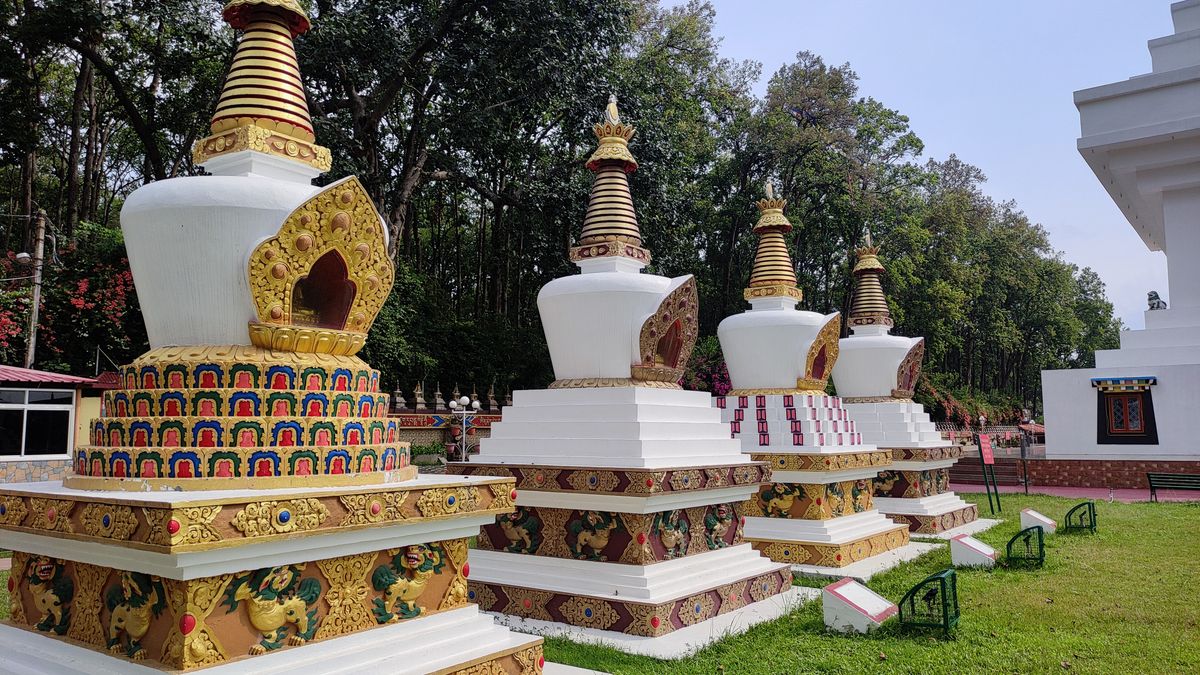
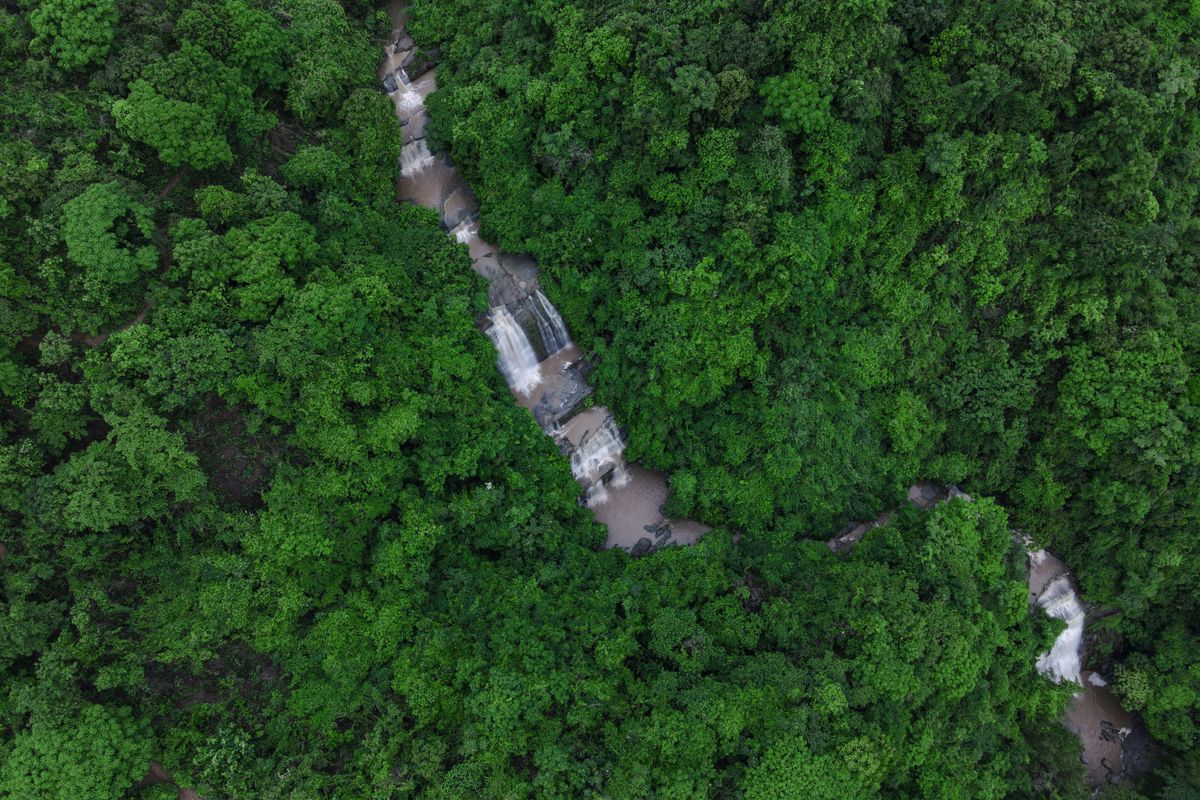
Inland day trips still work. Himchari, about 12 km south of Kolatoli, is reachable by CNG in 30–40 minutes; the waterfall is at its best in monsoon, though the hill road can be slippery. Inani, 25 km further, has a quieter beach and remains open, but the drive takes over an hour each way in rain. St. Martin's Island is effectively off—boat services from Teknaf usually suspend from June to September due to rough seas. Do not plan around it. The Ramu Buddhist temple, 15 km inland, is a solid rainy-day alternative.
What should you skip? The beach at midday during a downpour, the Saint Martin boat, and any operator promising speedboat rides. Also skip the cheapest beachfront rooms if you value quiet—monsoon winds rattle thin walls. The best months for this trip are June and September, when rains are heavy but not constant, and hotel rates are lowest. July and August bring the heaviest downpours. Book a Kolatoli hotel with an indoor restaurant and you will be fine; the town does not shut down, it just slows.
Related articles
Questions, answered
Hotels in Cox’s Bazar
See all stays →Curated picks are coming — meanwhile, the live search covers every bookable property at the same price or better.