Getting There and Back
Himchari Waterfall sits about 12 kilometres south of Cox's Bazar town along the Marine Drive. The drive takes 25 to 40 minutes by car or auto-rickshaw, depending on traffic near Kolatoli and the beach road. You can hire a private car for the round trip for around BDT 1,500 to 2,500, or take a shared auto-rickshaw from Gate No. 2 near the main beach for about BDT 100 per person each way. The road is paved and scenic, with the Bay of Bengal on one side and hills on the other.
Most visitors combine Himchari with a stop at Inani Beach, another 10 kilometres further south. If you plan to do both, start early by 8 am to avoid the afternoon heat and crowds. The waterfall is a short walk from the road, but the path can be slippery during the monsoon. Wear sturdy shoes and carry water. There is no entrance fee, but you may pay a small parking charge for cars. The area is open from sunrise to sunset.
What to See and Do at Himchari
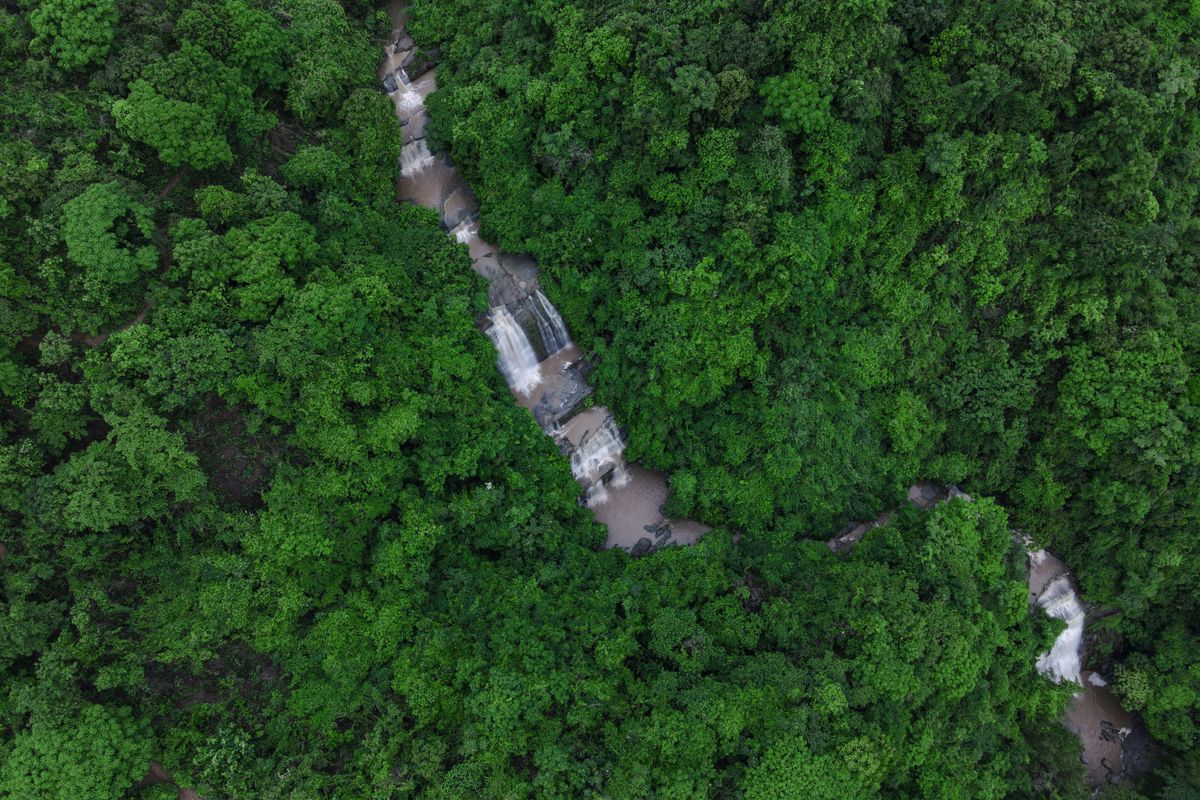
The waterfall itself is a modest cascade, best seen from June to September when the monsoon rains swell the stream. In the dry season, it reduces to a trickle, but the surrounding hills and the views from the top are still worth the trip. A short climb of about 10 minutes leads to a viewpoint that offers sweeping vistas of the coastline and the sea. There are benches and shaded spots to rest. Nearby, you'll find the Himchari National Park, a modest forest area with trails and wildlife, including monkeys and various birds.
The beach at Himchari is quieter than Cox's Bazar's main beach and is a good spot for a picnic. Several local vendors sell snacks and coconut water, but options are limited, so bring your own food if you plan to stay for lunch. The area has basic toilet facilities, but they are not well-maintained. For a more comfortable break, head back to Cox's Bazar for a late lunch. The waterfall and park are manageable in two to three hours, making it an easy half-day trip.
Best Time to Visit and What to Skip
The monsoon months from June to September offer the fullest waterfall, but the trails can be muddy and the sea rough for swimming. The cooler months from November to February are ideal for pleasant weather, though the waterfall is less impressive. Avoid weekends and public holidays when domestic tourists flock to the area, causing traffic jams and crowded viewpoints. If you visit during peak season, go on a weekday morning. The annual Cox's Bazar Beach Festival in January sometimes brings extra crowds, so check local schedules.
Many tour operators push a combined package that includes Himchari, Inani Beach and the Burmese Market. While convenient, these tours often rush you through each spot. I would skip the package and hire a private car instead, giving you the flexibility to linger at the waterfall or beach as you like. Also skip the souvenir shops near the entrance; their prices are inflated and the quality is average. Instead, buy local handicrafts from the markets in Cox's Bazar town, where you can compare prices.
Where to Stay in Cox's Bazar
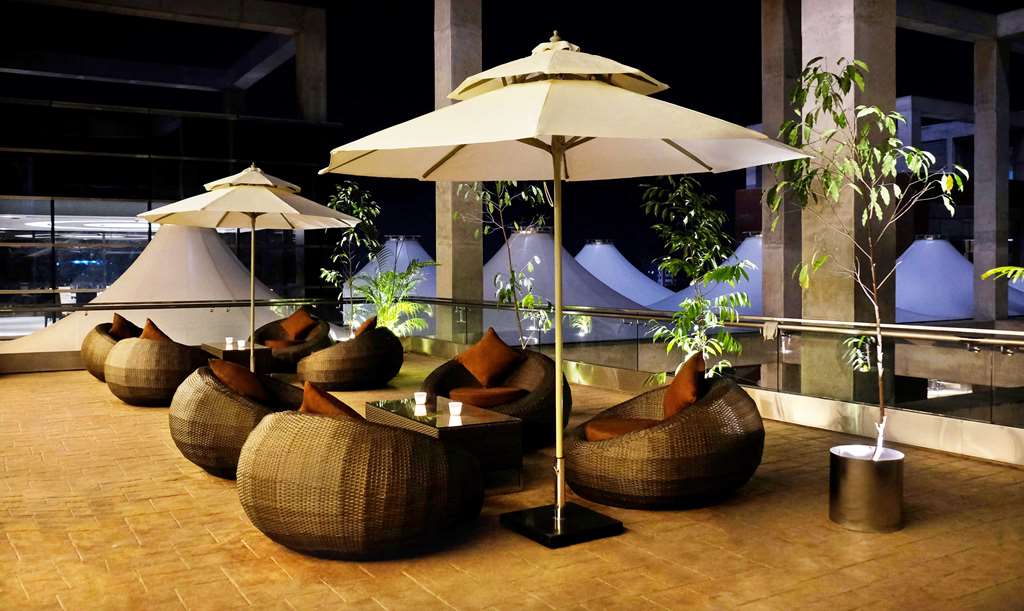
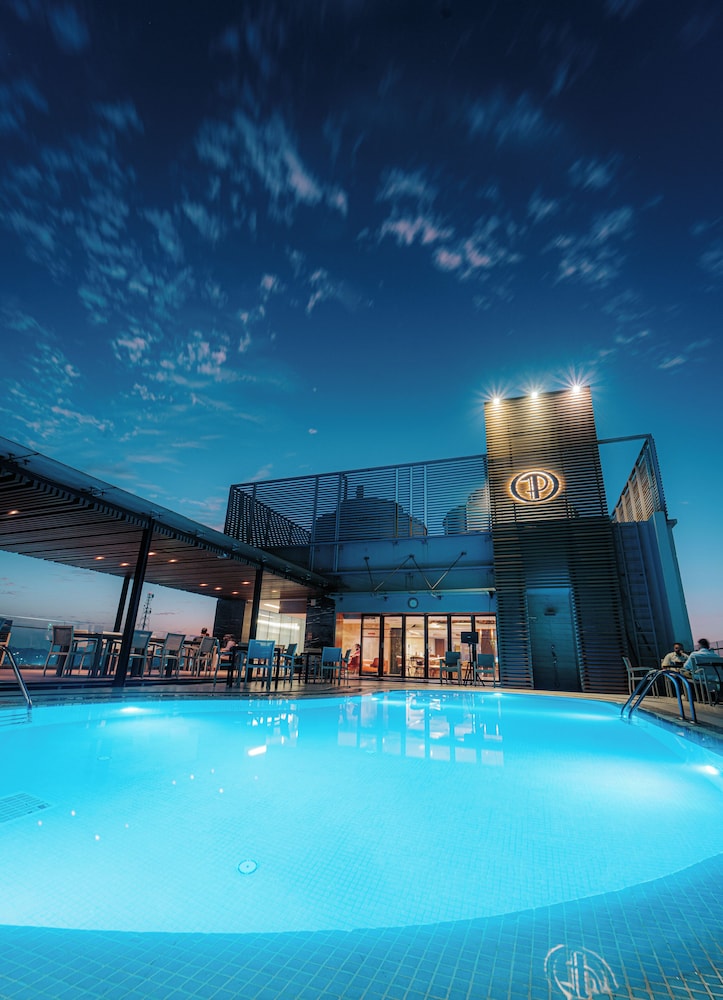
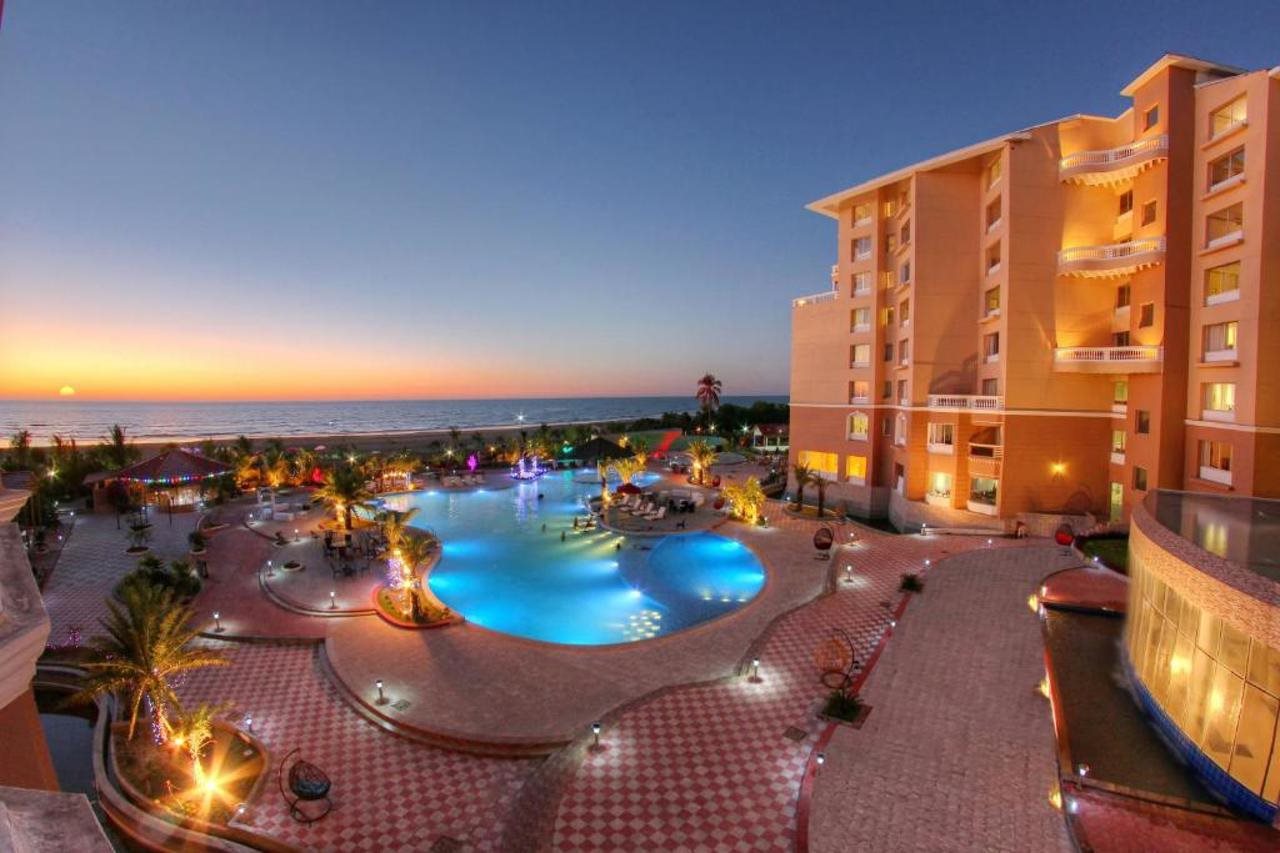
Most visitors stay in Cox's Bazar town, which has a wide range of hotels from budget guesthouses to upscale resorts. The area around Kolatoli Beach Road is popular for its proximity to the beach and restaurants. For a quieter stay, consider the hotels near Sugandha Beach or along the Marine Drive towards Himchari. Prices vary by season: a basic room might cost BDT 1,500 to 3,000 per night, while mid-range hotels charge BDT 4,000 to 8,000. Book in advance during peak season (December–January) when occupancy is high.
If you want to be close to Himchari, a few small resorts and guesthouses are located along the Marine Drive, but amenities are limited. I recommend staying in Cox's Bazar town for easier access to dining and other attractions, and taking a day trip to Himchari. The drive is short, and you'll have more choice of accommodation. Use our site to compare hotels in Cox's Bazar and find one that fits your budget and preferences. Look for properties with good reviews and flexible cancellation policies.
Questions, answered
Hotels in Cox’s Bazar
See all stays →Curated picks are coming — meanwhile, the live search covers every bookable property at the same price or better.