Where Jhilongja sits and why it matters for eaters
Jhilongja is the neighbourhood just north of Cox's Bazar town centre, split by the main road to Teknaf and running inland from the beach. If you are staying along Kolatoli Road or near Sugandha Beach, you are already within a 10–15 minute rickshaw ride of Jhilongja's best eating. The area is not a tourist strip; it is a working residential quarter where families, shopkeepers and rickshaw pullers eat out daily. That means prices are lower and kitchens are busier — always a good sign. For a hotel-booking traveller, a guesthouse in Jhilongja or the adjacent areas of Kalatali and Dolphin Circle puts you close to both the sand and the real food.
The neighbourhood's eating is clustered along the main Teknaf road and the lanes behind Jhilongja Bazar. You will not find many English menus, but you will find fresh fish, dal, bhorta and rice at lunch, and grilled snacks from late afternoon. The best months to explore on foot are November to February, when the humidity drops and evening strolls are comfortable. During monsoon (June to September), many small stalls close or shorten hours, so plan your food hunt around lunch rather than dinner.
What to eat and where: from bhorta to beach-side grills
Start with a local lunch at one of the small rice hotels (bhatar hotel) near Jhilongja Bazar. Expect a plate of rice with two or three vegetable bhortas, dal and a piece of fish for a modest price band — usually less than what you would pay at a beachfront restaurant. The fish changes daily: rupchanda (pomfret), koral (sea bass) or small shoal fish, depending on the catch. Vegetarians can ask for shobji (mixed vegetables) and dal; the kitchens are usually happy to serve without fish. Hygiene varies, so pick the busiest stall and ask for freshly cooked rice rather than pre-plated.
For something more substantial, head to the cluster of grilled-food stalls that set up in the late afternoon along the road near Jhilongja's main intersection. You will find chicken tikka, beef kebab and sometimes whole grilled fish, cooked over charcoal. A portion of chicken tikka with naan or paratha is a filling dinner in a low-to-mid price band. If you prefer seated dining, the small family restaurants on the lane opposite Jhilongja Bazar serve biryani and mezban-style beef, though the latter is more of a Chittagong speciality. I would book a hotel near here rather than in the thick of the hotel district — you get better food at lower prices and can still reach the beach in minutes.
Best times, practicalities and what to skip
Timing matters. Lunch runs from about 12:30 to 15:00, and many rice hotels sell out of fish by 14:00. The evening snack stalls get going around 17:00 and peak between 18:30 and 20:30. Friday is the busiest day, as families come out after prayers, so expect queues at the popular grills. Cash is king in Jhilongja; most stalls do not accept cards, and mobile money agents are scattered along the main road but not always next door. Bring small notes. If you are staying in a hotel in Cox's Bazar, ask your front desk to write the name of Jhilongja Bazar in Bangla for the rickshaw puller — it saves haggling.
What to skip: the generic 'tourist set menus' on Kolatoli Road that promise Chinese, Thai and Bangladeshi on one page — they are rarely good and cost more. Also skip the packaged snacks at the beach shacks; walk five minutes inland and eat fresh. If you are sensitive to spice, say 'kom jhal' (less chilli) when ordering. And do not expect alcohol — it is not part of the local scene. For a beach holiday with real food, I would choose a small hotel in Jhilongja over a large resort, and use the savings on a proper seafood lunch.
Where to stay and how to book smart
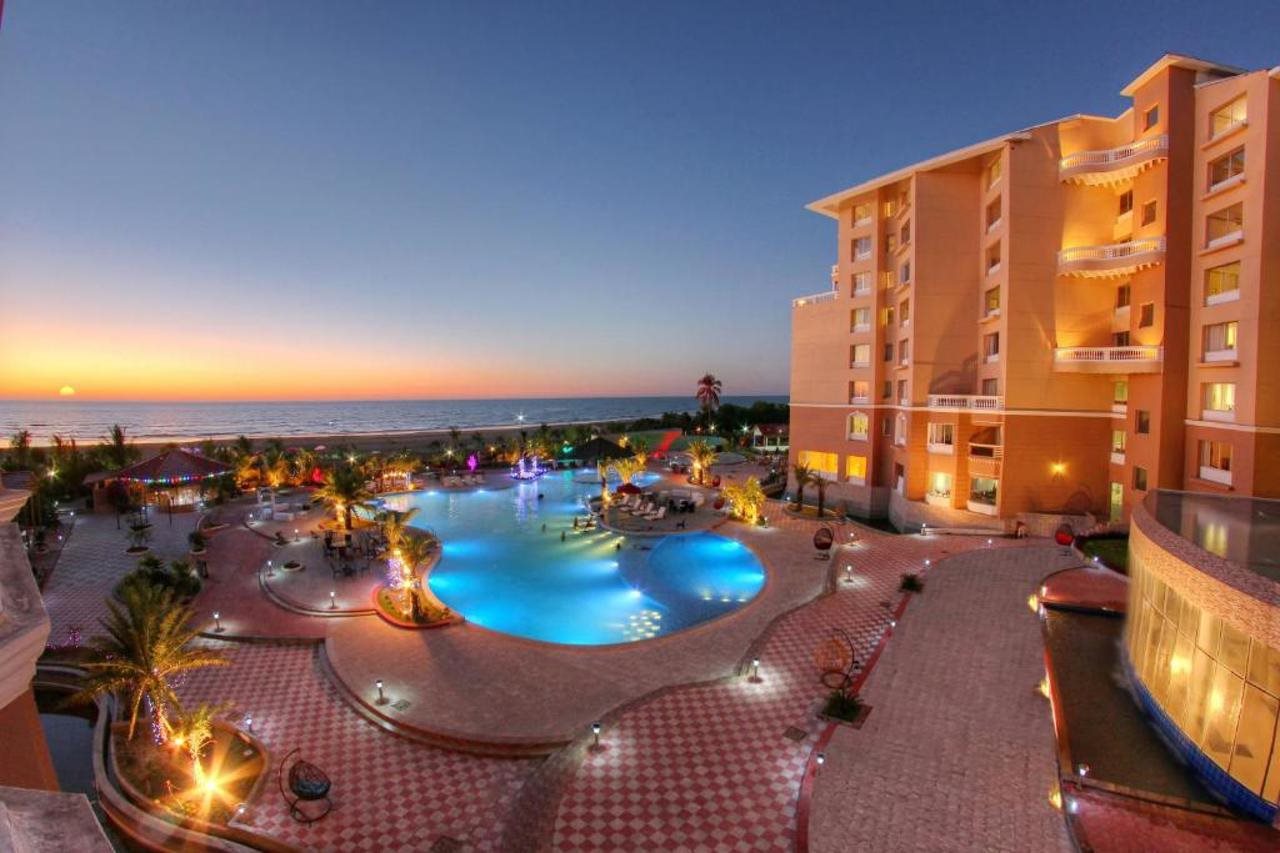
Jhilongja itself has a growing number of small guesthouses and budget hotels, mostly along the main road and the lanes off it. They are simple but clean, often family-run, and within walking distance of the food stalls. If you want more comfort, the hotels clustered around Dolphin Circle and Kolatoli Road are a 5–10 minute rickshaw ride away. For a quiet stay, look for properties set back from the Teknaf road — the traffic noise can be constant. Book directly with the hotel if possible, or through a local booking site that lists Jhilongja addresses, so you know exactly where you are sleeping.
A good strategy is to book two nights in Jhilongja first, eat your way around, then decide if you want to move to a beachfront place. Many travellers regret committing to a whole week at a large resort before seeing the neighbourhood. The area is safe for walking in daylight and early evening, but like any town, keep valuables at the hotel and use a torch on unlit lanes. If you are arriving by bus from Dhaka or Chittagong, the Jhilongja stop is just before the main Cox's Bazar bus terminal — ask the conductor to drop you at Jhilongja Bazar.
Questions, answered
Hotels in Cox’s Bazar
See all stays →Curated picks are coming — meanwhile, the live search covers every bookable property at the same price or better.