When Storms Are Most Likely
Cox's Bazar sits on the Bay of Bengal, where the cyclone season broadly runs from late April to December, with the highest risk between May and November. According to the Bangladesh Meteorological Department, most cyclones form in the pre-monsoon period (April–May) and post-monsoon period (October–November). The monsoon itself, from June to September, brings heavy rain and rough seas but fewer cyclones. If you want the calmest weather, aim for December to March, when skies are clearer and humidity is lower. Hotel rates are higher then, but the risk of a storm disrupting your trip is much lower.
During cyclone season, it's wise to build flexibility into your plans. Instead of booking a rigid itinerary, allow a buffer of a day or two. Keep an eye on forecasts from the Bangladesh Meteorological Department and the India Meteorological Department, which track storms in the Bay of Bengal. Many hotels in Cox's Bazar offer free cancellation up to 48 hours before arrival during the off-season, so you can adjust if a storm is forecast. Also, consider travel insurance that covers natural disasters; it's a small cost for peace of mind.
Reading the Signs and Staying Informed
Local knowledge is invaluable. Fishermen and long-time residents often sense changes before official warnings. But don't rely on folklore alone; check the Bangladesh Meteorological Department's website or app for real-time updates. The department issues signals from 1 to 10, with 10 being the most severe. If a signal 5 or above is issued, avoid the beach and move to a sturdy building. Hotels in Cox's Bazar are generally well-built, but it's worth asking about their emergency protocols when you book. Many have generators, water reserves, and designated safe areas.
Social media can be a double-edged sword: it spreads news quickly but also rumors. Follow official channels like the district administration's Facebook page or the meteorological department's Twitter feed. Also, download a weather app that works offline, such as Windy or the Bangladesh Weather app, in case the internet goes down. If you're in a hotel, the front desk should have updates. Don't hesitate to ask questions; staff are used to guiding guests through storms.
Choosing a Hotel That Can Handle the Weather
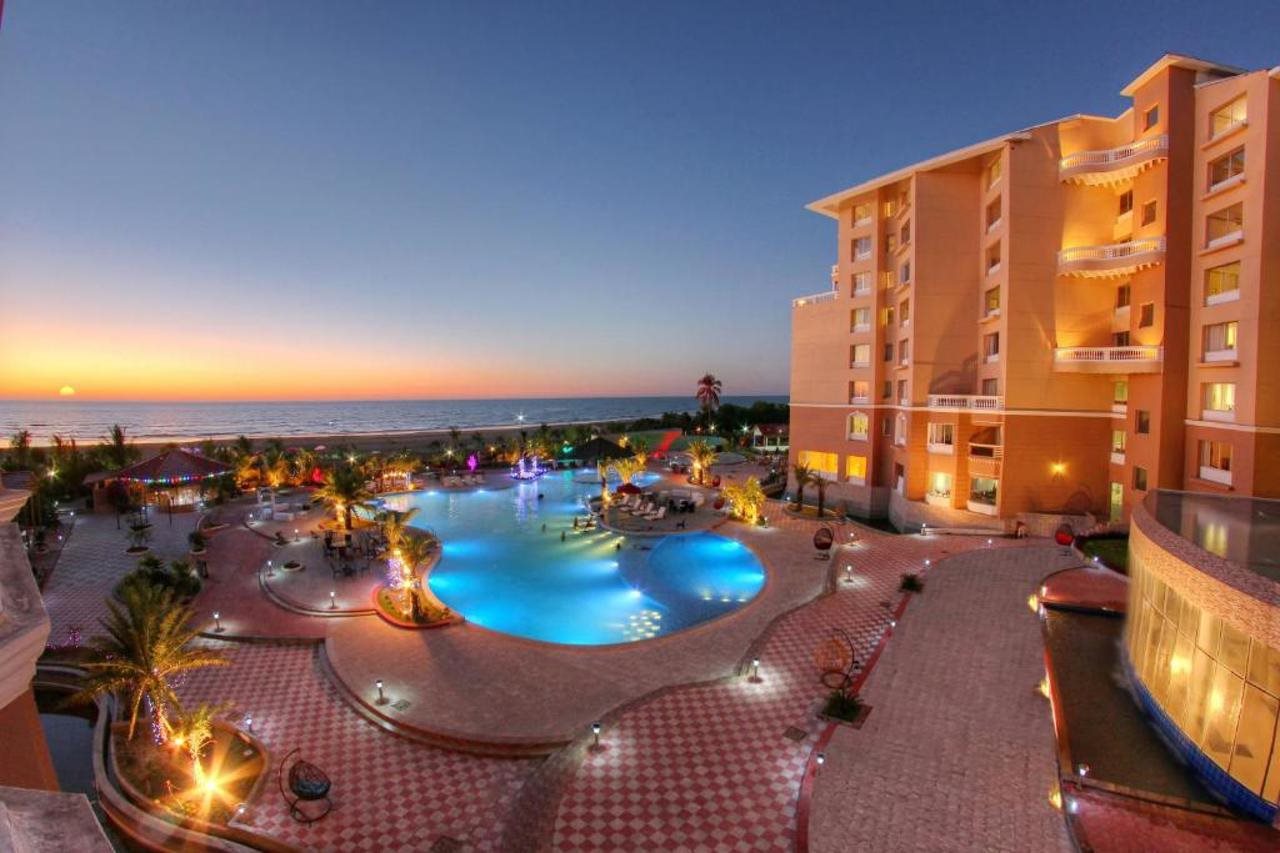
Not all hotels are equal when it comes to storm resilience. Larger hotels with concrete structures and backup power are safer bets than flimsy beach huts. In Cox's Bazar, the hotel strip along Kolatoli Road and the intersecting lanes has many mid-range and upscale options. Look for hotels that are set back from the shoreline, as storm surges can reach surprisingly far inland. Hotels like Hotel Sea Palace and Hotel Kollol have good reputations, but always check recent reviews for mentions of how they handled past storms. A hotel with a generator, stored water, and a clear evacuation plan is worth the extra cost.
Also, consider location. The town center, around the main road (Jhawtala to Kalatali), is slightly elevated and has better drainage than some beachfront areas. If you're booking during cyclone season, prioritize hotels with free cancellation and a flexible booking policy. Avoid non-refundable rates unless you're certain of the forecast. And don't overlook smaller guesthouses; some family-run places are very well-maintained and offer personalized care. However, verify that they have solid roofs and windows—ask directly when booking.
What to Do If a Cyclone Hits
If a cyclone warning is issued, follow the instructions of local authorities and hotel staff. Evacuation orders are rare but must be taken seriously. The Cox's Bazar cyclone shelter network includes schools and community buildings, but tourists are usually advised to stay in their hotels if they are structurally sound. Avoid the beach and low-lying areas. Keep your phone charged and have a battery pack. Bottled water and snacks are handy in case shops close. Most hotels have emergency supplies, but it's wise to have your own basic kit.
After the storm passes, avoid sightseeing until authorities declare it safe. Flooded roads and debris are common. Check with your hotel about the condition of nearby attractions. Sometimes, the best thing to do is extend your stay until transport links are restored. Buses and flights may be canceled, so have a contingency plan. Travel insurance can cover extra nights. Remember that locals are often more affected; be patient and respectful. The community's resilience is remarkable, and tourism helps recovery.
Questions, answered
Hotels in Cox’s Bazar
See all stays →Curated picks are coming — meanwhile, the live search covers every bookable property at the same price or better.