What to Eat: Fish You'll See on Menus
Start with rupchanda, the silver pomfret. It is the fish most locals recommend for a first meal. At Kolatoli and Sugandha beach points, restaurants grill it whole over charcoal or pan-fry thick steaks with turmeric and chilli. A whole medium fish for two, with rice and dal, is a common order. Ask for it 'fry' rather than 'curry' to taste the flesh. Loitta, the Bombay duck, is softer: it is usually deep-fried in a light gram-flour batter and eaten with rice at lunch. Skip it if you dislike a very soft texture.
Ilish, hilsa, is the celebratory fish and appears on menus in season, roughly July to October. It is cooked in mustard oil with nigella seeds or steamed in a banana leaf. Expect it to be the priciest item on any menu, and ask the server for the day's size before you order. Churi, a small silver fish, is dried and sold in bundles at the dry-fish market near the Fishery Ghat. It is not a restaurant dish; buy a small packet to take home and fry it crisp with sliced onion at breakfast.
How It's Cooked: The Three Styles You'll Meet
The first style is the beach grill. Whole fish are scaled, scored, rubbed with turmeric, chilli powder and salt, then laid over a charcoal trench. Vendors at Sugandha and Kolatoli typically cook to order; a whole fish takes fifteen to twenty minutes. The skin crisps and the flesh stays moist. They serve it with a lime wedge, sliced onion and a plastic glove. Eat it within ten minutes of the grill, because the sea breeze cools it fast. This is the style I would choose for a first evening.
The second style is the home-style curry you find in small hotels behind the beach road: fish simmered with onion, ginger, garlic, turmeric and green chilli in mustard oil. It is the everyday preparation and the one to order with plain rice at lunch. The third is drying. Fishermen spread small fish on bamboo racks near the Nazirartek and Fishery Ghat areas; the sun and salt preserve them for months. Dried fish is intensely salty and is used as a flavour base, not eaten alone. A small handful flavours a pot of rice or a vegetable curry.
Where to Buy and Eat: Markets and Beach Restaurants
For fresh fish, go early to the Fishery Ghat market near the Bakkhali river mouth, about a ten-minute drive from Kolatoli. Boats land between 5am and 7am, and the auction moves fast. Bring small notes and be ready to point at what you want; a kilo of rupchanda or a bundle of churi is a normal purchase. You can ask a nearby restaurant to cook your purchase for a small charge, but agree the charge before handing over the fish. The dry-fish stalls beside the ghat sell sealed packets that travel well.
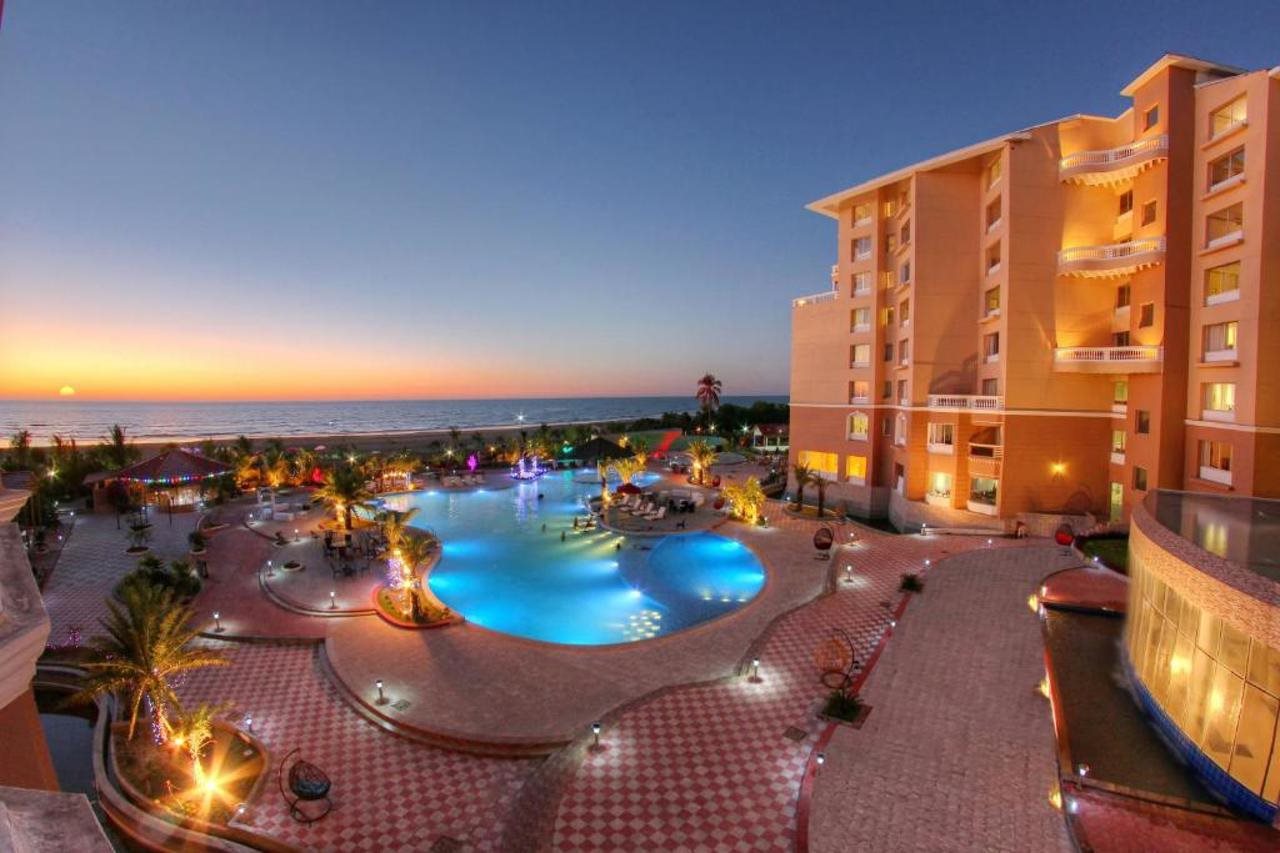
On the beach road between Kolatoli and Sugandha, dozens of restaurants display today's catch on ice at the entrance. Compare the ice: it should be fresh and the fish eyes clear. Prices are higher than in the market, as expected, but you get a table and a grill. I would book a hotel within walking distance of Kolatoli so that a late grilled-fish dinner does not need a rickshaw ride back. The Sea Beach Road area has the widest choice, and Himchari Road, further south, is quieter but has fewer fish restaurants.
Timing, Seasons and Practical Notes
The main fishing season runs roughly from October to April, when the sea is calmer and the catch is varied. During the monsoon, from June to September, boats stay in more often and the market is thinner; hilsa is the exception and is at its best in that period. If you want the widest choice of fresh fish, plan a trip between November and February, when the weather is also driest. Avoid the Eid holidays if you want a quiet beach, because Cox's Bazar fills with domestic visitors and restaurant waits lengthen.
Carry a small bottle of drinking water and a packet of tissues; beach grills rarely provide them. Ask for the fish to be cooked 'medium' rather than well done, or it will dry out. If you are unsure about a fish's freshness, smell it at the market: it should smell of the sea, not of ammonia. A short walk from Kolatoli to the Fishery Ghat takes about twenty minutes on foot; a rickshaw is faster and easier in the heat. For hotel booking, choose a place with a restaurant that serves local fish, not only imported menu items.
Questions, answered
Hotels in Cox’s Bazar
See all stays →Curated picks are coming — meanwhile, the live search covers every bookable property at the same price or better.