Light and logistics
Cox's Bazar light is best at the golden hours: 5:30-7 AM and 5-6:30 PM. Midday sun is harsh and the haze washes out colors. Dry season (November-February) offers the clearest air and most dramatic sunsets. Monsoon season has moody storm light but unpredictable weather. Bring a polarizing filter to cut glare on the water and a telephoto lens (70-200mm) for isolating fishing boats and people. Wide-angle (16-35mm) is essential for beach landscapes. A lightweight tripod is worth carrying for long exposures at dawn and dusk.
Locals are generally photo-friendly but always ask permission before shooting portraits, especially women. Offer to show them the image on your screen and thank them. Do not photograph military zones (marked with signs) or the Rohingya camps. Police will delete your images and possibly detain you. Stick to the eight spots below and you will have no issues.
The 8 best locations
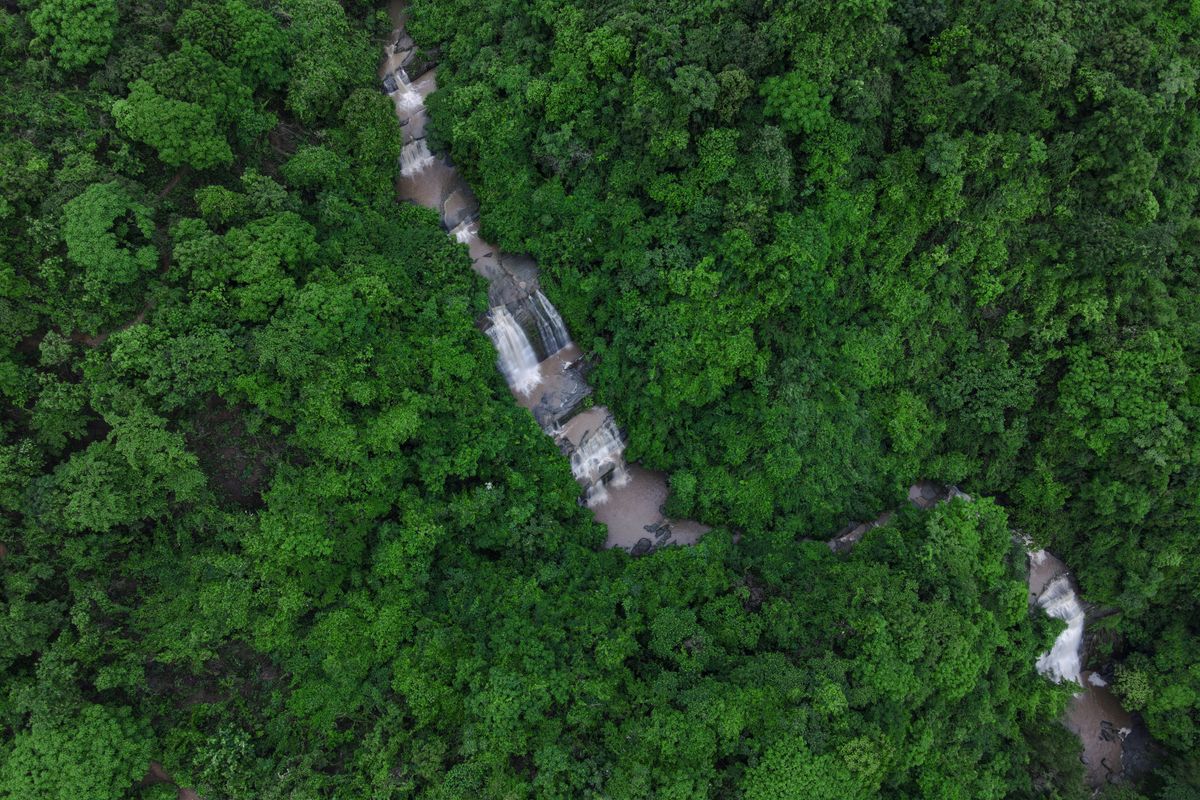
One: Inani Beach rocks at sunrise. The coral formations catch warm light, and fishing boats dot the horizon. Arrive 30 minutes before sunrise to set up. Two: Laboni fish market, 5-7 AM. Chaotic colors, weathered faces, silver fish piled high. Shoot fast and stay out of the way. Three: Marine Drive promenade at dusk. Long exposures of light trails from CNGs and bikes, families strolling, cotton candy vendors. Four: Himchari waterfall pool. The jungle canopy creates dappled light; shoot midday when sun penetrates through gaps.
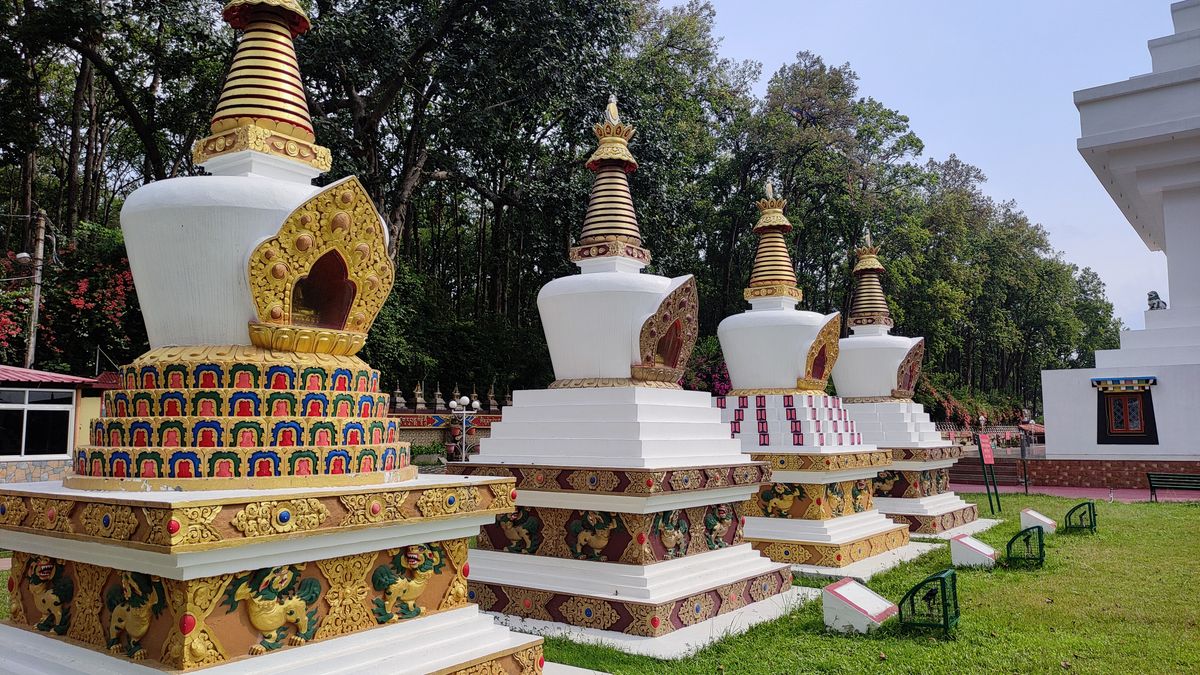
Five: Maheshkhali Island salt pans. Geometric patterns of evaporation pools, workers harvesting salt. Best mid-morning in dry season. Six: Sugandha Point at sunset. Silhouettes of fishermen, nets, and boats. Classic postcard shot. Seven: The fishing jetty at Kalatali. Wooden boats pulled up on sand, nets drying, pelicans circling. Eight: Ramu temple exteriors. Golden Buddha statues, carved teak pillars, and if you are lucky, monks in saffron robes walking the grounds at dawn.
Questions, answered
Hotels in Cox’s Bazar
See all stays →Curated picks are coming — meanwhile, the live search covers every bookable property at the same price or better.