When the Season Ends and the Town Changes
Cox's Bāzār runs on a sharp calendar. The crowds arrive with the dry months, roughly November through February, and thin out fast once the monsoon builds in June. The quiet window that most travellers overlook is the stretch from late March to May, and again from September to mid-October: hot, humid, prone to short downpours, but perfectly workable. Room rates in Kolatoli and Sugandha drop noticeably outside peak season, and the 3-star blocks along the beach road that quote high figures in December will negotiate in April.
The trade-off is services. Some restaurants on Beach Road cut hours, a few water-sports operators pack up, and the beach at Laboni Point is emptier in the best sense — you can walk from Kolatoli to Sugandha Point without stepping around picnic groups. What does not change is the geography: the 120-kilometre beach, Himchari 12 kilometres south, Inani another 17 beyond that. Off-season is when those drives take 25 minutes instead of an hour.
Weather, Sea Conditions and What to Skip
The Bay of Bengal is not a swimming pool at any time of year, but the difference matters. In the off-months, especially July to September, the surf is heavier and red-flag days are common; lifeguard cover is thinner than in peak season. If swimming is central to your trip, aim for late October or March, when the water is calmer and the heat is still manageable. The Bangladesh Meteorological Department issues cyclone warnings well in advance — check them before travelling in May and October, the two months when storms most often form.
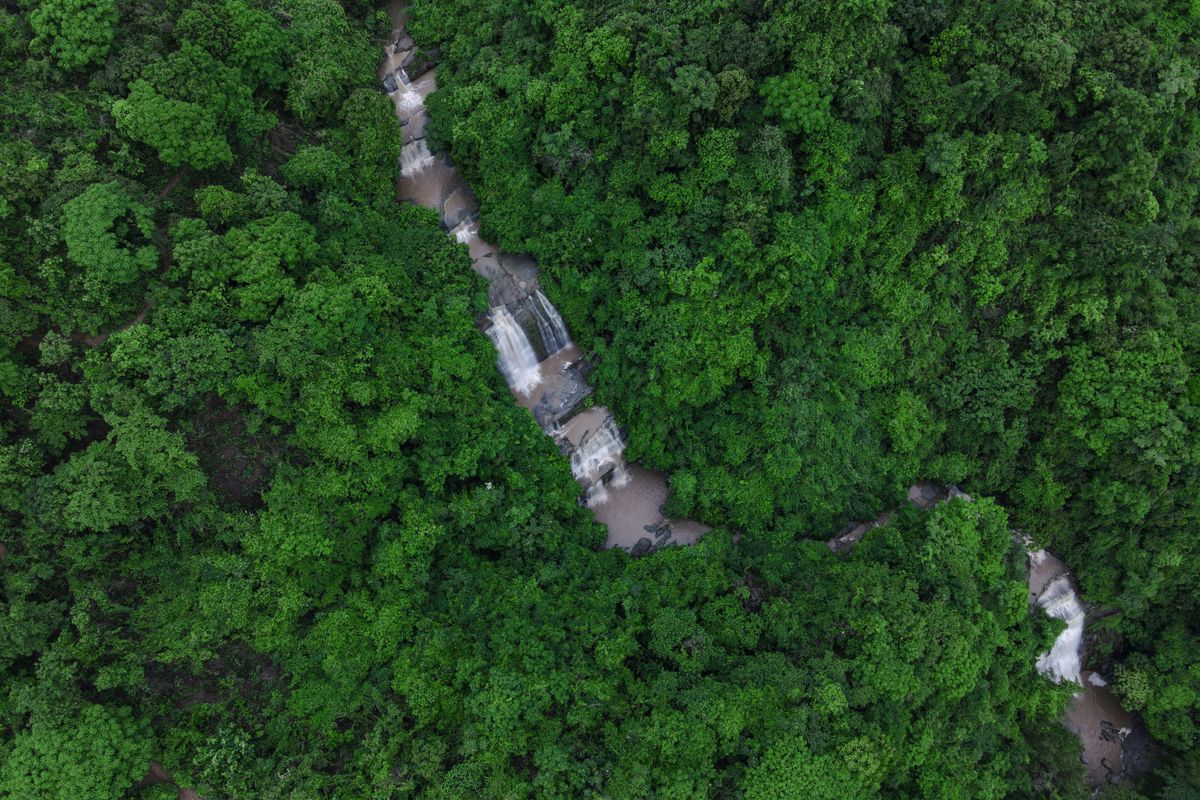
Skip the beach between 11am and 3pm in April and May; the sand is genuinely too hot underfoot. Instead, use that window for the Himchari waterfall path, the Ramu Buddhist temple run, or the drive to Teknaf, 80 kilometres south along Marine Drive. Also skip the horse and dune-buggy rides near Sugandha if you have any doubt about the animal's condition — walk instead. The beach at sunrise, around 5.15am in summer, is the single best free thing in town.
Where to Stay and What You Will Pay
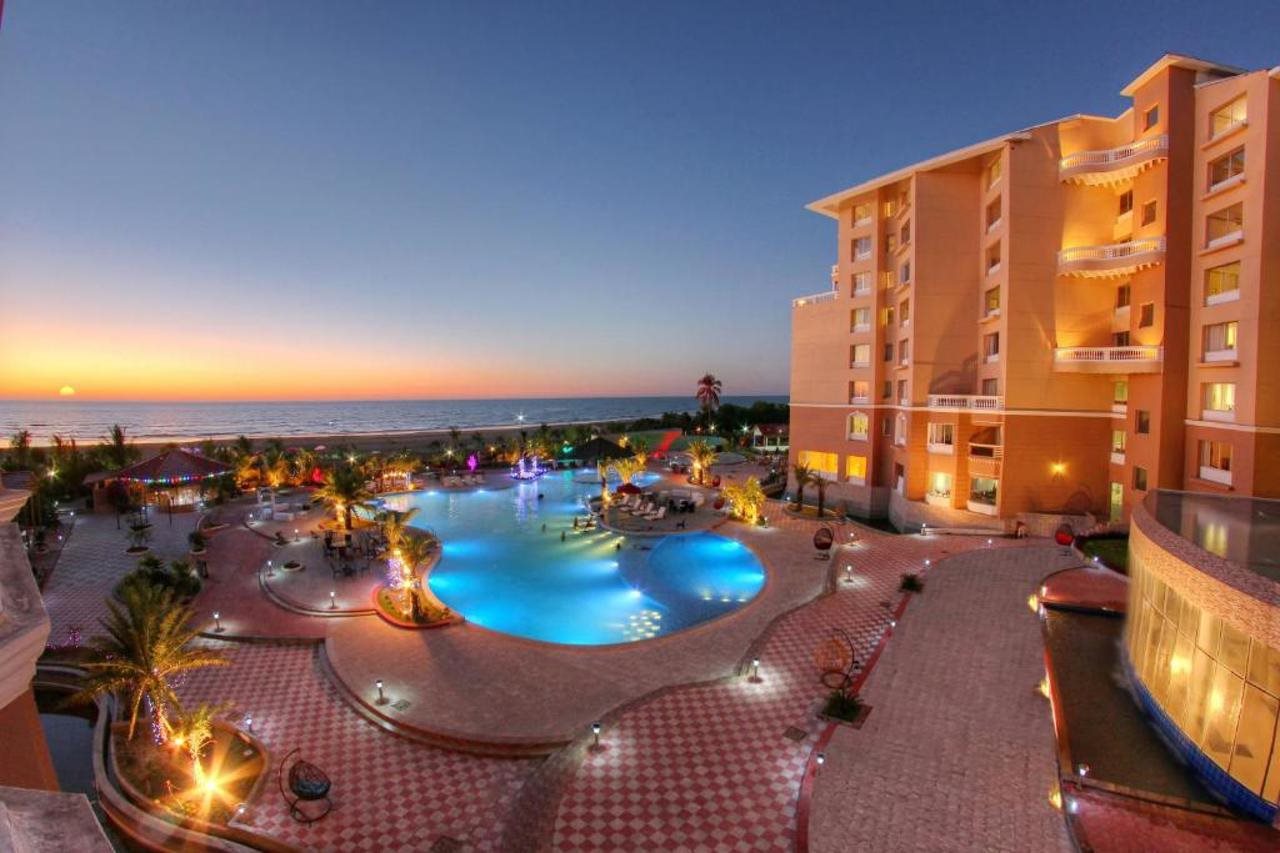
Hotel geography in Cox's Bāzār is simple. Kolatoli is the main hotel belt — dense, walkable, closest to the widest stretch of sand, and where most 2- and 3-star properties sit. Sugandha Point is busier and rockier, good for families who want restaurants at the door. Himchari Road properties are quieter and greener, but you need transport for everything. In the off-season, expect meaningful discounts on published peak rates at Kolatoli and Sugandha hotels, with the steepest cuts in the May-to-September window.
Book a room with air conditioning and a backup generator outside winter — power cuts happen and humidity is relentless. Ask specifically whether the hotel has its own generator and whether hot water runs in the off-months; some smaller guesthouses switch boilers off when occupancy drops. I would book a mid-range Kolatoli hotel for a first visit and a quieter Himchari Road property for a second, longer stay. Avoid the cheapest rooms directly on Beach Road: noise from traffic and generators is worse than the price saving.
Getting There and Getting Around
Cox's Bāzār has no commercial airport in routine service, so most travellers come by road. From Dhaka, the bus takes roughly 9 to 11 hours via the Padma Bridge and Chattogram, or you can fly to Chattogram and drive the remaining 150 kilometres in about 3.5 to 4 hours. Overnight buses from Dhaka's Sayedabad and Gabtoli terminals are the common choice; in the off-season seats are easier to get at short notice, but check that your operator runs the route year-round, as some suspend services.
Once in town, CNG auto-rickshaws handle short hops between Kolatoli, Sugandha and the fish market; agree the fare first. For Himchari, Inani and Teknaf, hire a car and driver for the day rather than piecing together transport — in the quiet months drivers are more available and more flexible on the Marine Drive stops. Bring cash; ATMs exist along Beach Road but run dry at weekends and during holidays.
Related articles
Questions, answered
Hotels in Cox’s Bazar
See all stays →Curated picks are coming — meanwhile, the live search covers every bookable property at the same price or better.