Why Jhilongja Works for a First Morning
Jhilongja sits just north of Cox's Bāzār town along the coast road toward Himchari, where the hills meet brackish ponds and scrub. For a beginner, that mix is forgiving: you do not need jungle silence or a guide with a scope. Common mynas, red-vented bulbuls and white-throated kingfishers show up within minutes of standing still near the water's edge. The area is close enough to your hotel that you can be back for breakfast, which matters when you are learning to read light and bird behaviour rather than ticking a list.
The best months are November to March, when winter visitors join the residents and morning temperatures sit comfortably for standing around. April and May are hot and humid by 8am; June to September brings rain and leeches in the scrub, so most casual birders skip it. Arrive at first light, around 6am in December and 5.30am in February, because activity drops sharply by 9am. A 90-minute loop is enough to see 15 to 25 species without rushing.
The Route: From Pond Edge to Coastal Scrub
Start where the Jhilongja road meets the small ponds behind the main coastal strip, roughly a 10-minute rickshaw ride from Kolatoli or Sugandha beach hotels. Walk the pond bunds slowly, scanning the reeds for purple swamphens and the open water for little cormorants and egrets. Keep 20 metres back from the edge; the birds flush early if you push. After the ponds, follow the sandy track east toward the scrub that backs onto the Himchari road, where jungle babblers and tailor birds move in noisy parties through the low bushes.
The second half is drier and easier underfoot: coastal scrub and scattered trees where you might find a white-bellied sea eagle overhead or a coppersmith barbet calling from a dead branch. This is not deep forest, so you can wear trainers rather than boots. The loop returns you to the main road near Jhilongja Bazar, where tea stalls open around 7am. If you have a scope, the pond edges are where it earns its weight; otherwise 8x42 binoculars are plenty.
What to Bring and What to Skip
Bring binoculars, a cap, mosquito repellent for the pond sections, and a light long-sleeved shirt in neutral colours. A small notebook beats a phone app for recording what you saw, because glare on a screen at dawn is worse than pencil on paper. Skip the tripod unless you are serious about photography; it slows you down on narrow bunds. Skip the guided tour vans too: they target Himchari and Inani and rarely stop for pond birds, and you will see more on foot in two hours than from a seat in three.
Do not expect hornbills or rare endemics. Jhilongja is a common-bird classroom, and that is its value. If you want a bigger list, combine this morning with a separate half-day trip south to the Teknaf road or north to Himchari, but keep them as different outings. For a family with children, the pond loop is the right length; for a solo lister, start at the ponds and add the scrub if the light stays flat. Either way, carry water and be back before the heat builds.
Base Yourself Near the Route
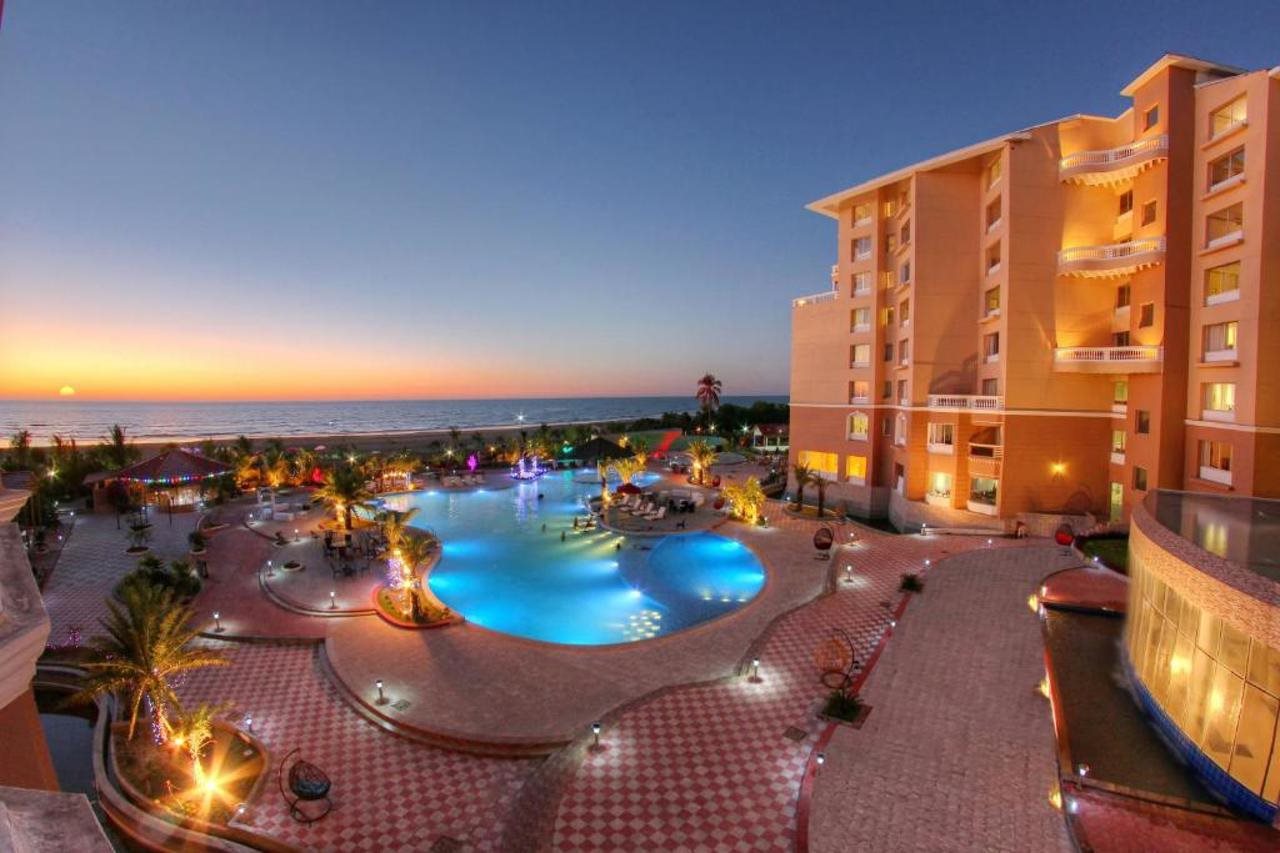
The practical base is Kolatoli or Sugandha, where most mid-range hotels cluster within a 10-minute rickshaw ride of the Jhilongja turn-off. From there you can walk to the beach in the afternoon and reach the ponds before sunrise without a long transfer. Budget hotels in these areas are plentiful; mid-range options with breakfast start higher, and peak-season rates in December and January rise noticeably, so book ahead for those months. Avoid the far northern hotels if your main aim is this loop, as the extra drive eats into dawn light.
For a two-night stay, I would book a hotel in Kolatoli with easy rickshaw access and a 6am breakfast option, then spend the first morning on the Jhilongja loop and the second on a beach walk toward Himchari. Check that your hotel can arrange a rickshaw or a small car for 5.30am, because ride-hailing is thin at that hour. Confirm the room has a kettle if you need coffee before you go; many do not. That single detail decides whether you leave on time.
Questions, answered
Hotels in Cox’s Bazar
See all stays →Curated picks are coming — meanwhile, the live search covers every bookable property at the same price or better.