Not a visitor destination, and listed for honesty
Ukhia sits on the road to Teknaf and functions as the base for the aid operation around the Rohingya camps. Guesthouses here are occupied by NGO staff and journalists, and access to the camps themselves is controlled and off-limits to visitors.
We list it because it appears on the coast road and people ask. Unless you are working in the response, drive through: Inani is twenty minutes north and Teknaf forty minutes south.
Why this area appears on the map
Ukhia is a small town on the road between Cox’s Bazar and Teknaf, about forty kilometres south of the beach strip. Since 2017 it has been the logistical centre of the humanitarian response to the Rohingya refugee settlements in the surrounding hills — Kutupalong, Balukhali and the adjoining camps, which together host close to a million people and form one of the largest refugee settlements in the world. The town’s guesthouses, offices and vehicle yards serve that operation.
For a traveller, the practical consequence is simple: there is no tourism here, and there should not be. Rooms are occupied by aid staff and accredited journalists, restaurants serve them, and the camps themselves are permit-controlled and closed to visitors. Turning up to look is not possible, and attempting it is both futile and inappropriate.
We include the area because it sits on the Marine Drive and the inland Teknaf road, because search results send people here, and because the honest answer — drive through — is more useful than a page pretending otherwise.
If you are working in the response
For those who are here on assignment, Ukhia is the practical base: guesthouses at $25 to $60, largely booked through organisations rather than booking sites, with generator cover, wifi and kitchens geared to long days. Demand is steady and rooms are frequently full, so booking through your organisation’s logistics team weeks ahead is normal practice.
Access to camp areas runs on permissions issued by the relevant authorities and coordinated through the response structures; movement is logged, and there are checkposts along the roads. Journalists work to a separate accreditation process. None of this is arranged locally on arrival.
Cox’s Bazar town, an hour north, remains where most international staff sleep, and the daily run along the Teknaf road is a fixed feature of the working day. Anyone with the choice usually takes the coast rather than the town.
What to do instead, if you are visiting
The good news is that the two most rewarding stops in the southern district sit either side of Ukhia. Twenty minutes north is Inani, the cleanest and quietest beach on the Cox’s Bazar coast, with coral stones and clear water. Forty minutes south is Teknaf, the country’s southernmost town, a working fishing port on the Naf River with Myanmar’s hills across the water and the best-value seafood on the coast.
If you are driving the Marine Drive, the sensible plan is to pass through Ukhia without stopping, keep a passport copy accessible for the checkposts on this stretch, and be off the road before dark. The coastal route south of Inani is the more scenic of the two roads and the one worth taking.
Where to book near Ukhia
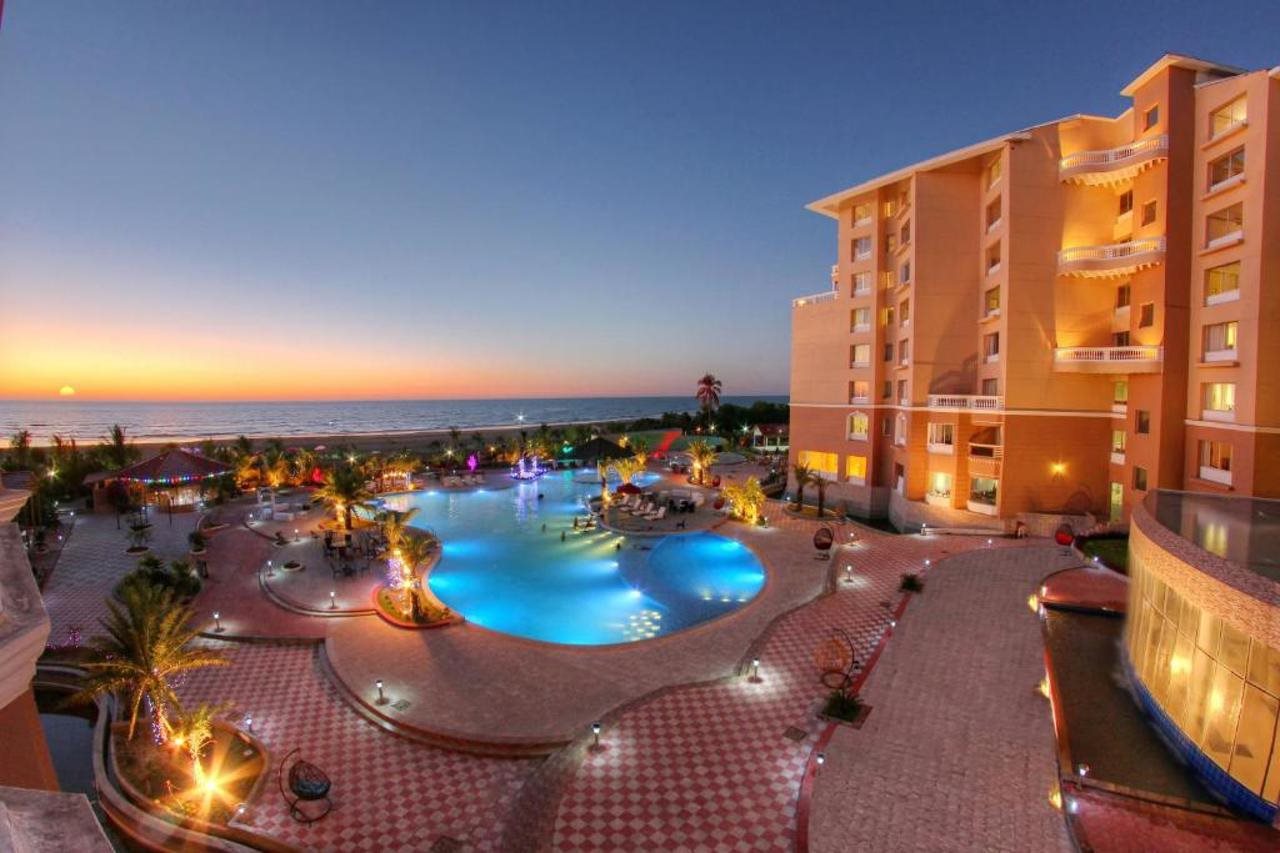
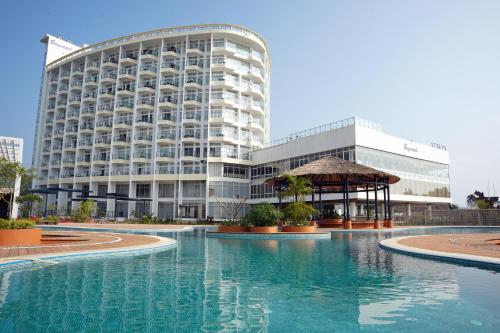
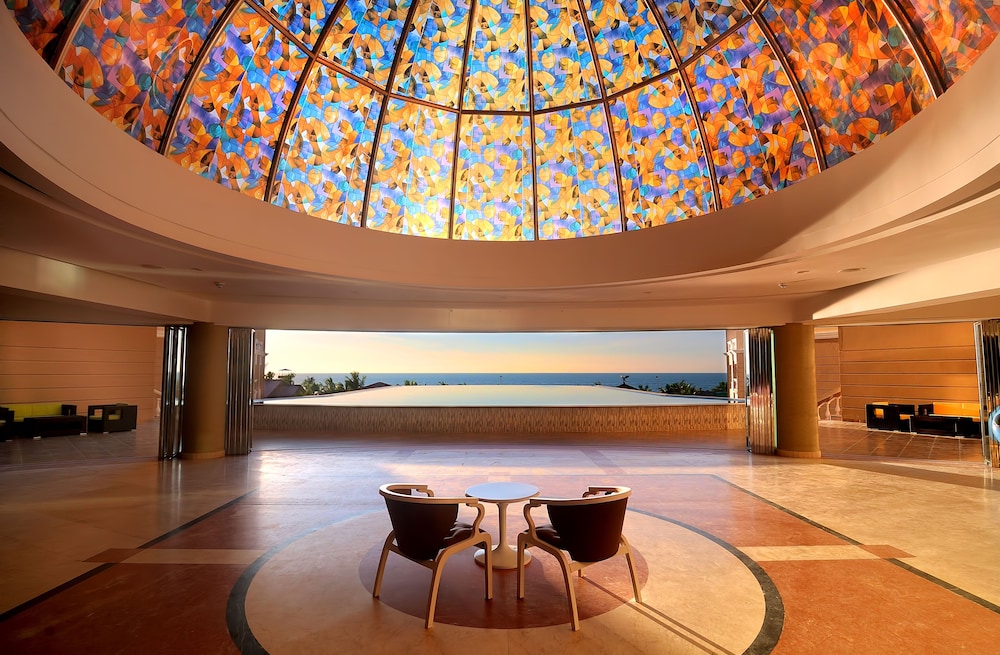
We track too few rooms in Ukhia to rank them honestly. The nearest area we cover in depth is Inani — these are its live prices.
Getting here and around
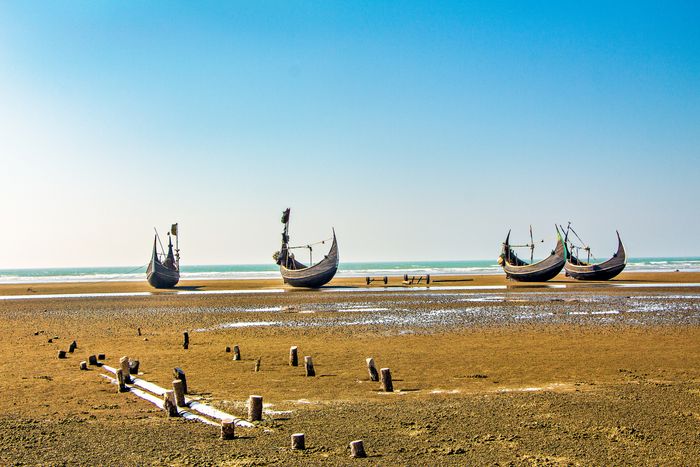
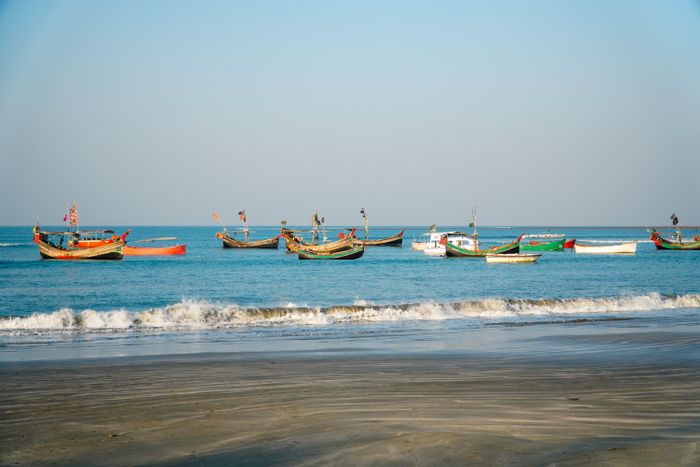
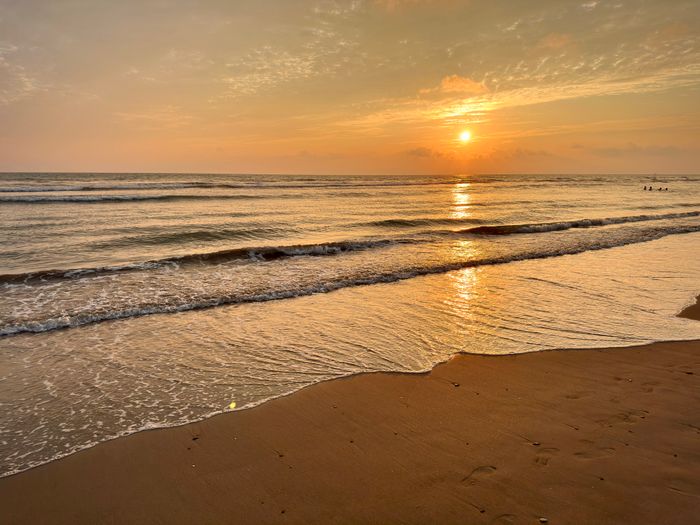
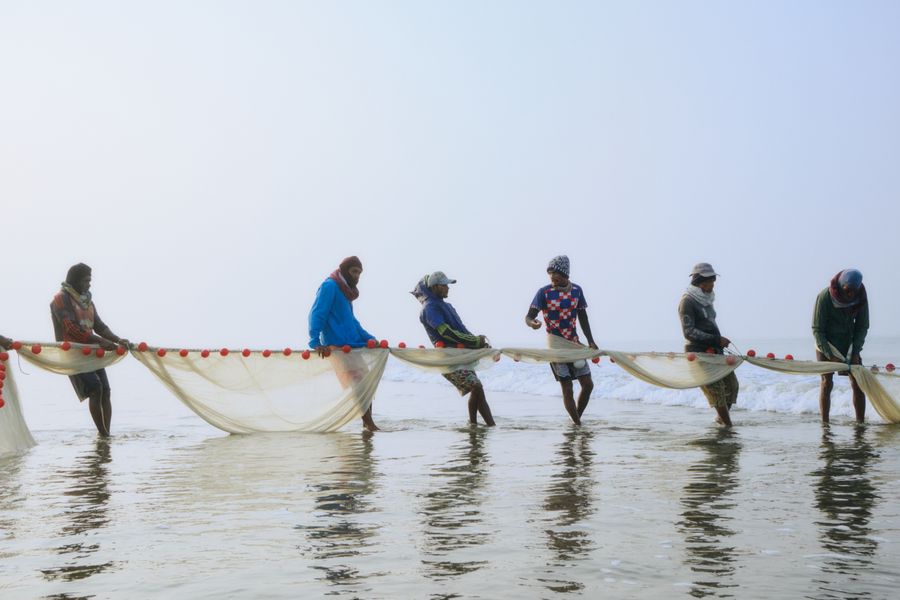
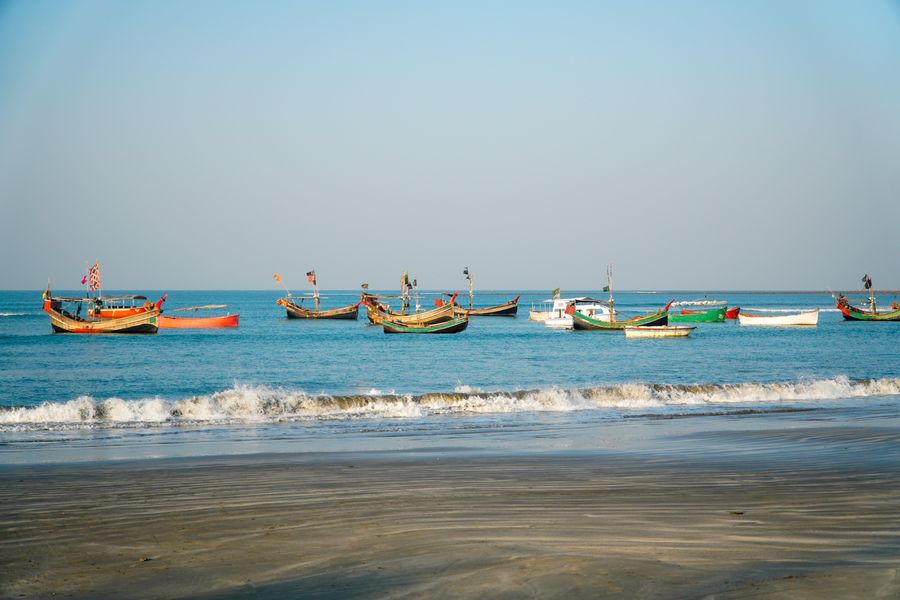
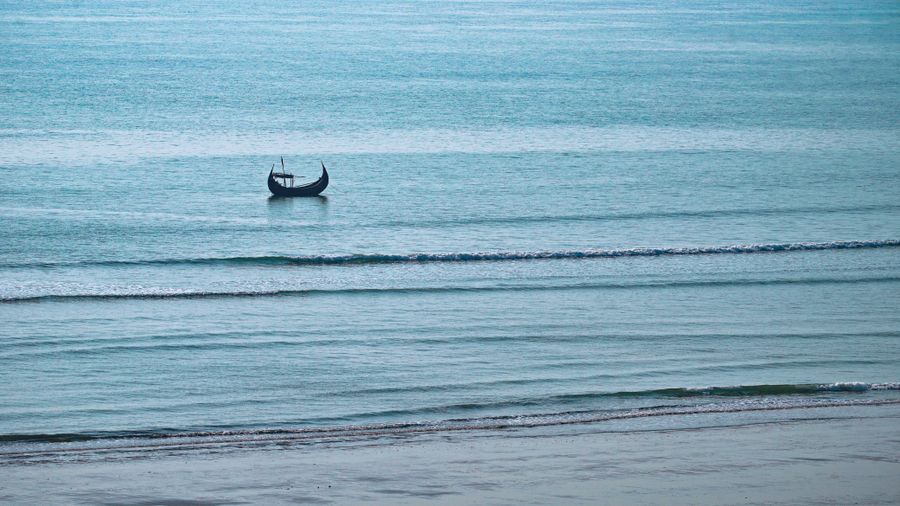
Ukhia in pictures
Questions about Ukhia
Can tourists visit the Rohingya camps?+
No. Access is permit-controlled and limited to accredited aid workers and journalists.
Is there anywhere to stay?+
A few guesthouses, largely occupied by the aid community. There is no visitor infrastructure.
What should I do instead?+
Continue to Inani for the beach, or to Teknaf for the port and the St Martin’s ferry.