1 stage, 1 place to sleep
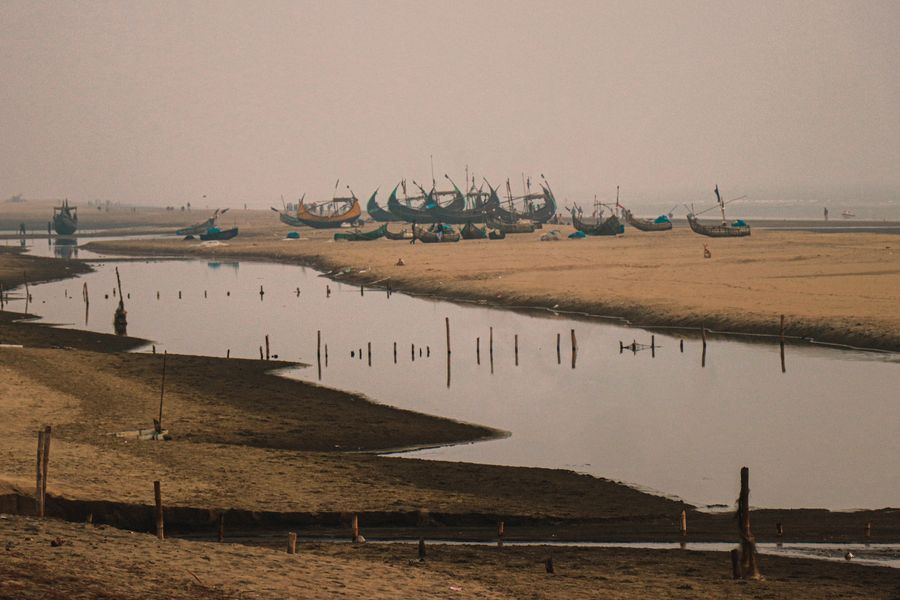
Open a stage to see what you pass and where to stay that night.
Planning the Ramu Monastery Cycle — the practical guide
The Ramu Monastery Cycle covers 45 km from Cox's Bazar to Cox's Bazar in a single stage. It is designed as one committed day — start early and let the terminus town absorb the evening. You ride it in the order written, but every stage town works as an entry or exit point, so the route sections cleanly for shorter trips.
Overnights run Cox's Bazar — each bookable from the stage cards above. Book the smallest stops first: a village with a handful of guesthouses sells out weeks before a resort with fifty.
Planning & pacing
Cycling around Cox's Bazar works best as a series of day trips rather than multi-day tours, since accommodation options outside the main town are limited and bike-friendly hotels essentially don’t exist. Rental bikes in Cox's Bazar range from barely functional single-speeds to decent mountain bikes, with daily rates between 300-800 taka depending on quality and your negotiating skills. Check brakes, tire pressure, and gear shifting before leaving the shop—mechanical problems are your responsibility, and rental bikes are maintained at Bangladesh's typical 'good enough' standard.
The Marine Drive to Teknaf represents the region's premier cycling route, but it's genuinely dangerous on weekends when tour buses pack the narrow road and treat cyclists as mobile obstacles. Weekday morning rides (departing before 7am) offer relatively empty roads and cooler temperatures, crucial for the 80km distance. The inland routes to Ramu and around Maheshkhali Island provide safer cycling with less traffic but also less scenery—you’re trading coastal views for cultural interest and rice paddy landscapes.
When to go
November through February offers the only season when long-distance cycling is genuinely pleasant rather than an endurance test. Temperatures stay in the mid-20s Celsius, humidity drops to bearable levels, and morning starts mean completing rides before noon heat builds. December and January bring the clearest skies for the Marine Drive route, where visibility determines how much of the Bay of Bengal you can see from clifftop sections.
Cycling during the March-May hot season requires masochistic determination or very specific training goals. Temperatures exceed 35°C, roads radiate heat like stovetops, and even well-hydrated cyclists risk heat exhaustion on rides over 40km. The monsoon season from June through September makes cycling feasible only on paved roads—any route involving dirt paths or coastal trails becomes muddy and dangerous. October offers post-monsoon relief with empty roads and green landscapes, though morning fog can reduce visibility significantly on the Marine Drive's cliff sections.
What to pack
Bring your own helmet if you care about head protection—rental shops don’t provide them and won’t understand why you’re asking. A good quality helmet from home is worth the luggage space given Bangladesh's creative approach to traffic rules. Padded cycling gloves prevent the hand numbness that rough roads cause within 30km, and padded shorts make the difference between completing the Marine Drive ride and arriving in Teknaf unable to sit down.
Sun protection matters more than performance cycling gear. A lightweight long-sleeve cycling jersey blocks more UV than sunscreen, which requires reapplication every hour in Bangladesh's humidity. Wrap-around cycling glasses protect against wind, dust, and the surprising amount of debris that trucks kick up. Carry 3-4 liters of water minimum for rides over 50km—roadside water sources exist but involve drinking from communal taps that may not meet your stomach's standards. A basic toolkit (tire levers, spare tube, pump, multi-tool) is essential since rental bikes break down regularly and repair shops outside Cox's Bazar and Teknaf are scarce.
Transport & logistics
Bicycle rental shops cluster around the Kolatoli Beach area in Cox's Bazar. Newer shops near Sea Beach Road offer better-maintained bikes, though at 600-800 taka daily versus 300-400 taka for the aging fleet at shops near the bus stand. Insist on a test ride for any full-day rental—gears that shift poorly in the parking lot will fail completely on the Himchari climb. Most shops require passport copy and deposit (1,000-2,000 taka), returnable on bike return minus any damage costs.
The Maheshkhali Island route requires pre-planning since the ferry schedule isn’t designed around cyclists. The first ferry leaves around 6am, the last returns around 6pm, but timings shift seasonally and no published schedule exists. Missing the last ferry means an overnight stay on Maheshkhali, where accommodation options are basic at best. For the Marine Drive route, plan water stops at Himchari (small shops near the park entrance), Inani Beach (limited facilities), and Teknaf (full services). Mobile phone coverage is intermittent south of Inani, so download offline maps before departing.
Eating along the route
Fueling during cycling routes requires planning since roadside food is limited and quality varies dramatically. For the Marine Drive route, stock up on water and snacks in Cox's Bazar before departing—the shops near Himchari park entrance have basic supplies but limited selection. Inani Beach has a few small restaurants serving rice, curry, and fried fish, though cleanliness standards are questionable. The safest strategy is carrying your own food: packaged biscuits, energy bars if you brought them from Dhaka, and fresh fruit from Cox's Bazar markets.
Teknaf offers the best meal options along the coastal route, with fish restaurants near the harbor serving excellent grilled pomfret and prawn dishes for 400-600 taka. For the Maheshkhali Island ride, pack lunch since island restaurants are basic and may be closed mid-afternoon. The Ramu route passes through small towns with tea stalls every 10-15km—these sell packaged snacks and can prepare simple meals, though expect basic curry-rice combinations rather than variety. Always carry 3-4 liters of water minimum; roadside water sources exist but involve drinking from communal taps that may upset foreign stomachs.
Safety & local rules
Cycling safety on Cox's Bazar roads is primarily about traffic management and heat awareness. The Marine Drive's weekend traffic creates genuinely dangerous situations—buses overtaking on blind curves, CNGs pulling out without looking, and trucks that won’t slow down for cyclists. Weekday morning rides before 8am reduce these risks dramatically. Wear bright colors, use lights even during daytime if you have them, and assume no vehicle has seen you. The 'might makes right' traffic culture means yielding to anything larger than your bicycle.
Heat-related risks often exceed traffic dangers on longer rides. Cycling 80km in 35°C heat causes dehydration faster than most people expect—if you’re not urinating at regular intervals, you’re not drinking enough water. Stop in shade every 15-20km to cool down and rehydrate, even if you feel fine. Sunburn severe enough to prevent cycling the next day is common among first-timers who skip sun protection. For solo cyclists, tell your hotel which route you’re taking and expected return time, basic practice that matters when you’re 40km from help with a mechanical issue or health problem.
Ramu Monastery Cycle: questions, answered
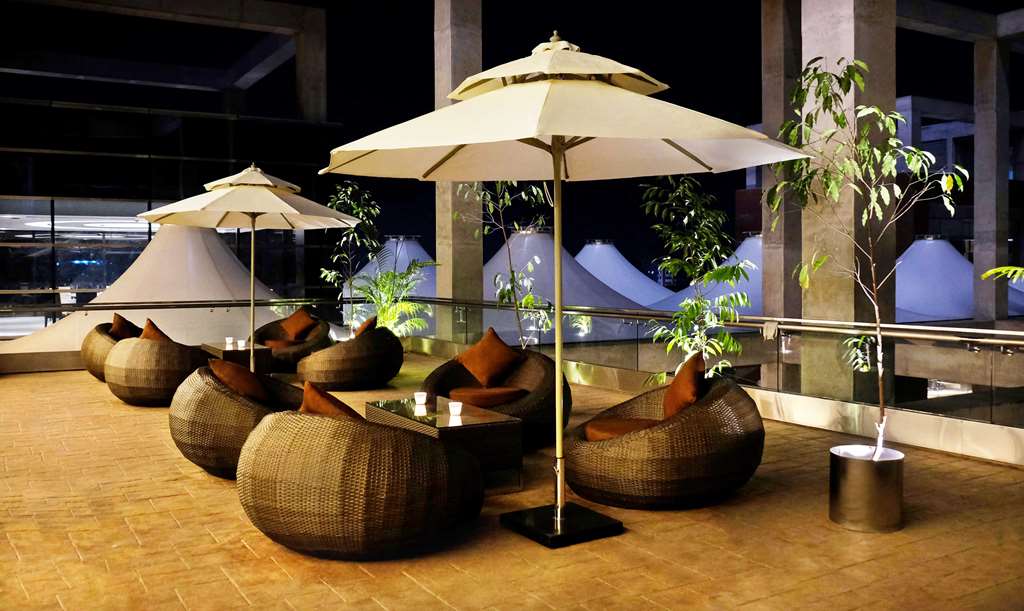
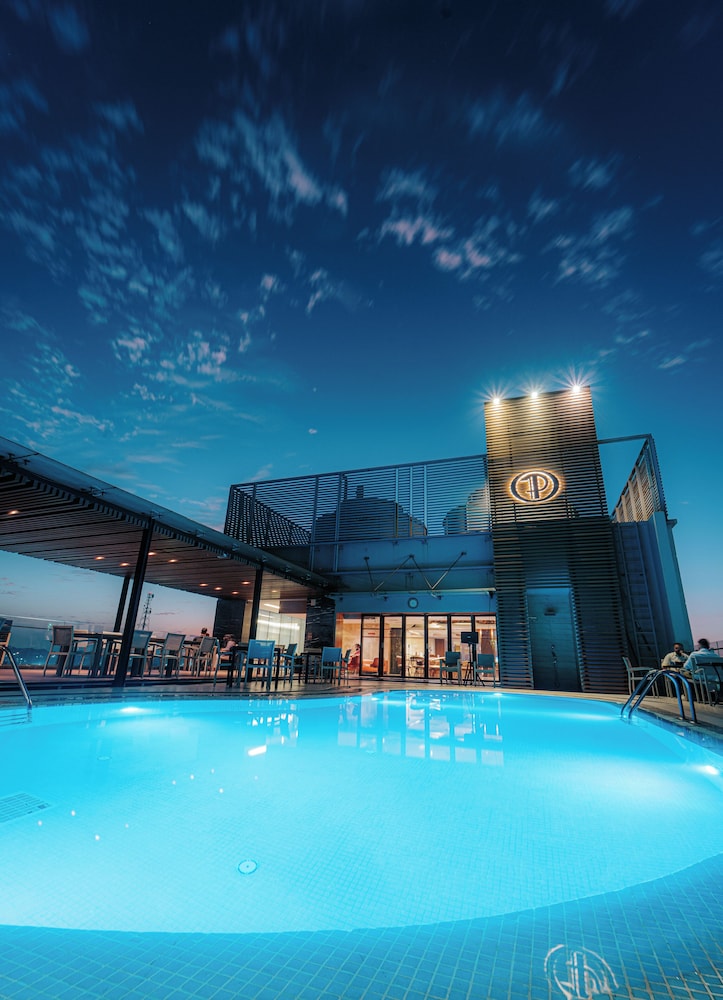
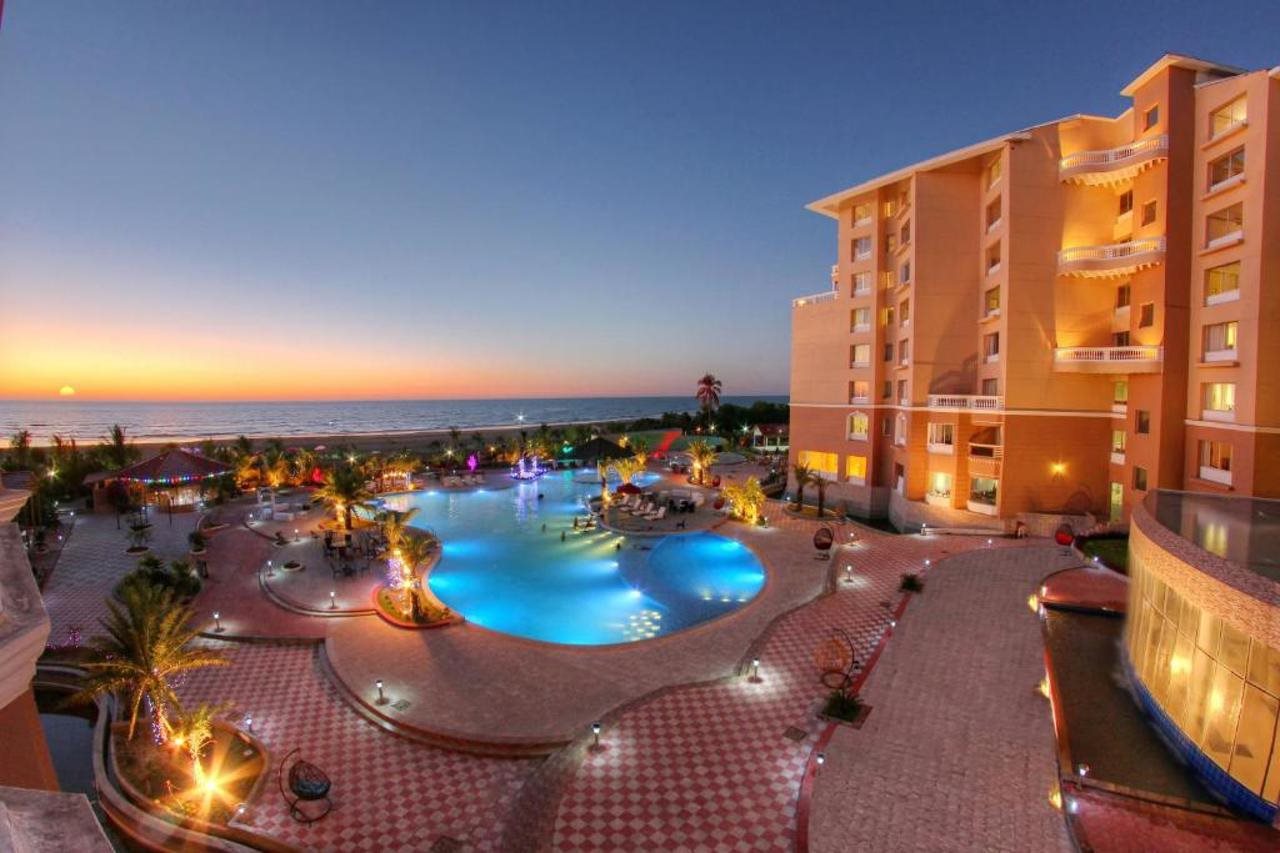
Hotels along this route
See all stays →Curated picks are coming — meanwhile, the live search covers every bookable property at the same price or better.