Himchari National Park protects one of Bangladesh's last remaining coastal hill forests, covering 1,729 hectares of biodiversity. The park's main attraction is the seasonal waterfall that cascades directly toward the beach, surrounded by dense tropical forest. Beyond the falls, marked trails wind through hills populated by spotted deer, wild boar, and over 120 bird species. The marine drive road cuts through the park, offering stunning views where forest meets ocean. Declared a national park in 1980, it is one of the country's oldest reserves and is still run by the Bangladesh Forest Department rather than a tourism board, which explains the plain ticket hut and the near-total absence of interpretation panels. Geographically this is the point where the hill ranges running down through Chattogram and Bandarban finally meet the Bay of Bengal, so tall garjan forest stops dead on a ridge with open sea beneath it. Come for that collision of hill and water, and treat any animal you see as a bonus.
Enter through the main gate where you will pay the modest entrance fee and can hire a local guide (recommended, about $4 for 2-3 hours). The waterfall is most impressive during and just after monsoon (July-September), though trails may be muddy. Dry season (November-March) offers easier hiking but reduced water flow. Pack insect repellent and wear covered shoes for forest trails. Combine your visit with Inani Beach, just 14 kilometers further south. The gate itself sits on the inland side of Marine Drive, so you cross the road to enter and cross back again for the sand. A narrow paved road climbs from the ticket hut toward the ridge-top pavilion, and most drivers will run you up it at no extra charge if you ask, which is worth doing in May heat and worth skipping in December. Keep your ticket stub: staff at the upper barrier sometimes ask to see it.
Three separate things happen inside the boundary, and it helps to plan them separately. Left of the ticket hut a paved path runs roughly 1.2 km inland along a shallow stream to the falls, passing rock pools where local families sit with their feet in the water; allow 40 minutes there and back with photographs. Straight ahead, the hill road and a long flight of concrete steps climb to the pavilion on the ridge, where the view runs north along the sand toward Kolatoli and south toward the Rejukhal river mouth; give that another 40 minutes. Third is the beach across Marine Drive, a wide grey-sand strip broken by boulder groynes and close to empty on weekday mornings, where half an hour is plenty. Add the three together and you have the three to four hours the park honestly deserves. Anything longer needs a guide and a genuine trail.
Everything southbound leaves from Kolatoli Mor, the roundabout where Marine Drive begins, about 3 km from Laboni Beach and roughly 8 km from the Cox's Bazar Iconic Railway Station. The 18 km run takes 25-35 minutes on a road that is smooth, largely empty and completely unlit. A CNG auto-rickshaw hired at Kolatoli costs about $5 for the round trip with an hour or two of waiting built in; a reserved car or microbus runs closer to $10; and the open-topped chander gari jeeps touting Himchari-Inani-Patuartek loops quote roughly $15-20 for the whole vehicle, good value split six ways. Southbound local services will drop you on the road for a walk of about 15 minutes to the gate, but they are infrequent and awkward with children. Agree the fare and the waiting time before you climb in, and be back at Kolatoli before dark: south of the park there is no lighting and no fuel.
Admission is trivial here and transport is the real cost. Foreign visitors pay about $2 at the gate, Bangladeshi nationals about $0.45, and a still or video camera adds around $0.45 more; small children are generally waved through. There is no combined ticket with anything else on this coast, because Inani, Patuartek and Darianagar are open public beaches with no admission at all. Inside, the only extras are a guide at about $4 for two to three hours, tea and biscuits at the small canteen for under $1, and a tip if a driver takes you up the hill road. Budget $12-15 all-in for two people including the CNG round trip, which is less than one beachfront lunch in town. Carry small notes: nothing here takes cards and the nearest ATM is back at Kolatoli.
The gate opens at 8:00 and the first ninety minutes are the only genuinely quiet stretch of the day; by 11:00 the picnic parties arrive and by mid-afternoon the waterfall path is a queue of selfie stops. Fridays, public holidays and the Eid weeks are worst, when the hill road jams with jeeps. Closing is 17:00, so sunset is watched from the Marine Drive lay-bys outside the boundary rather than from the pavilion. Month by month: July to September gives the falls real volume but slick concrete, mud and the odd flood closure; November to February is dry, clear and comfortable with the water reduced to a modest chute; March to May is hot, hazy and the falls are little more than a wet rock face. Mid-September to mid-October is the sweet spot, with water still running and the road reliably open.
Families do fine here: the waterfall path is paved and flat enough for a five-year-old, though a pram is a nuisance on the steps and the toilets are basic squat blocks near the gate. Wheelchair users can manage the lower stream path in dry weather and the hill road by car, but the pavilion staircase is out of the question. Teenagers get about an hour of photographs and then want the beach. On a wet afternoon skip it entirely, as there is no shelter, no exhibition and nothing to do in rain. If you have a one-hour gap before a train, do not attempt it; the return journey alone eats an hour. Birdwatchers should come at 8:00 with a guide, and anyone who genuinely wants to see elephants should go instead to Bangabandhu Sheikh Mujib Safari Park at Dulahazara, about 50 km north of Cox's Bazar on the Chattogram highway.
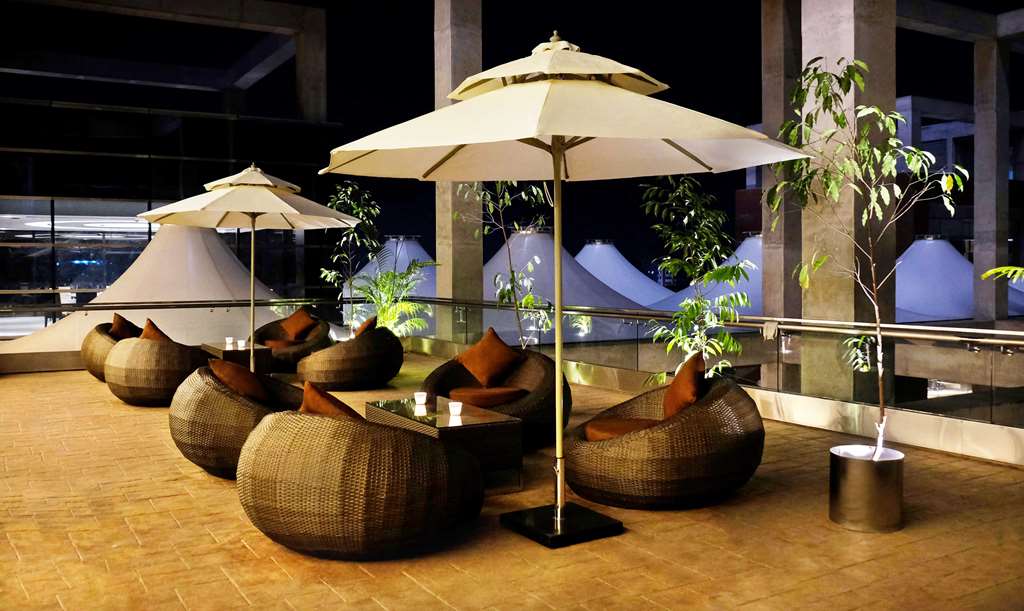
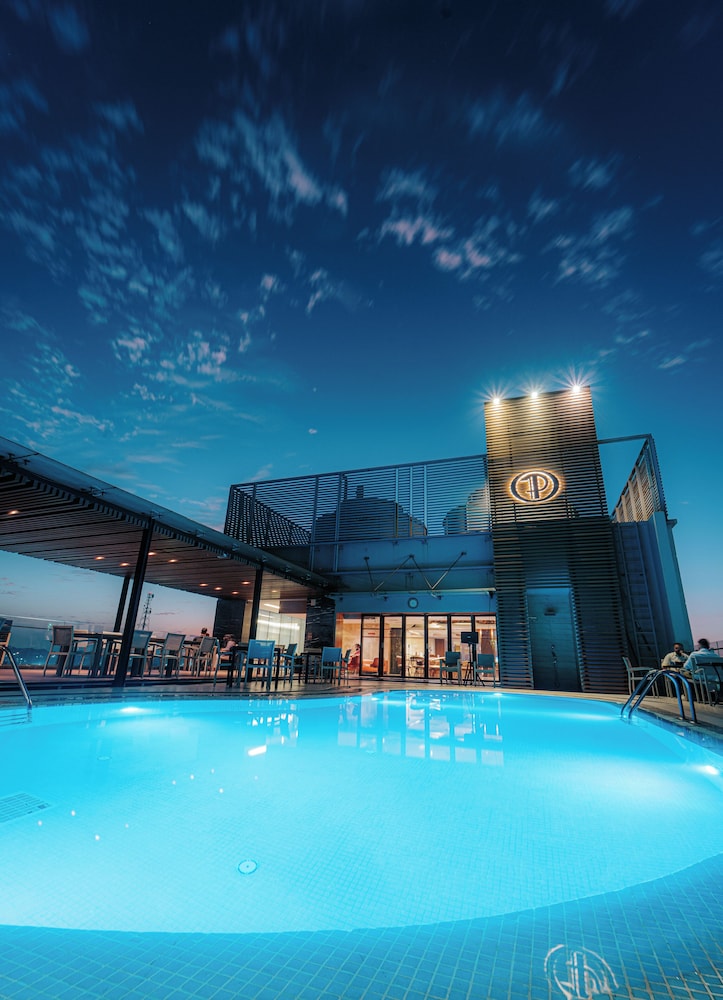
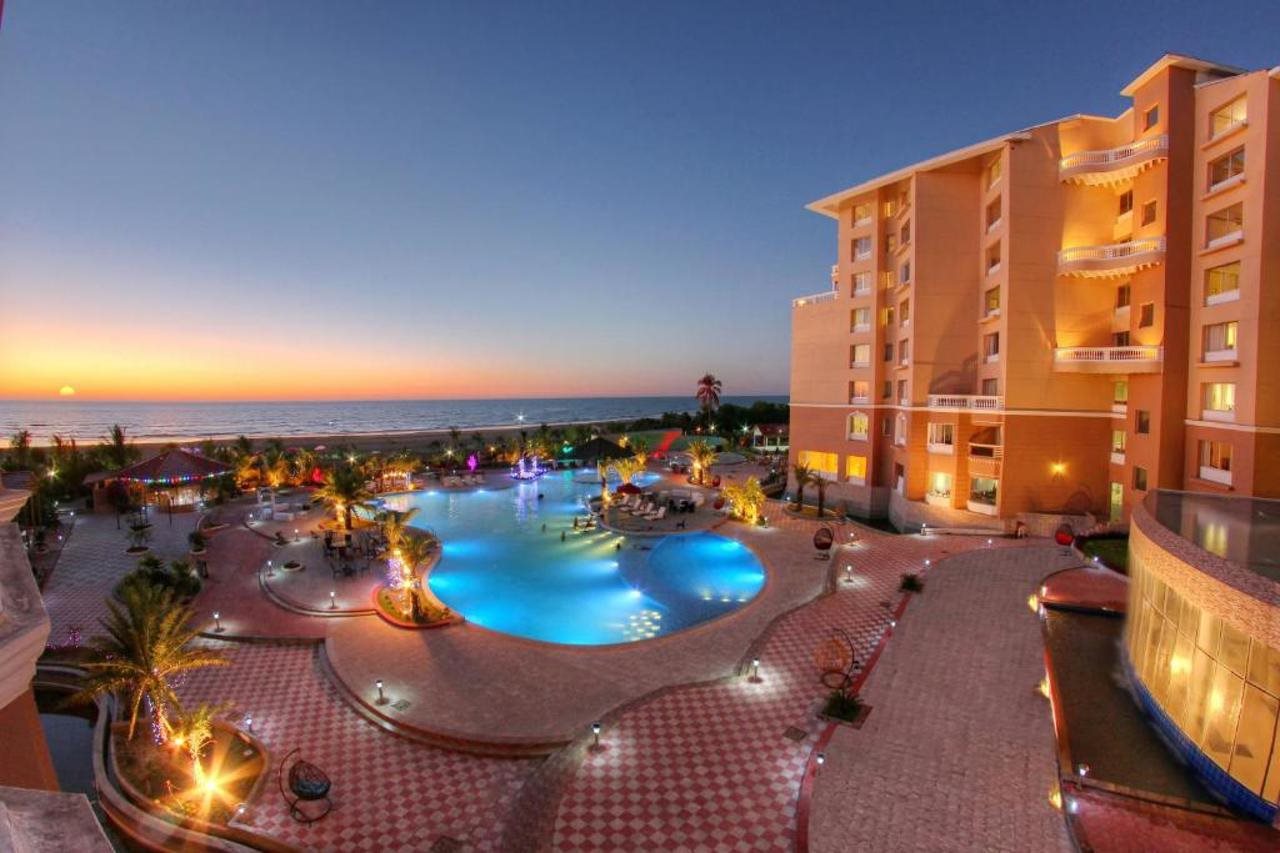
Fold the visit into a southbound half-day. The beach opposite the gate is a two-minute walk; Darianagar Beach lies about 6 km back toward town, ten minutes by CNG; the Rejukhal bridge sits roughly 10 km south with small boats working the channel; Inani Beach is 14 km on, best at low tide; and the rock shelves and pools of Patuartek are about 3 km beyond Inani, also a low-tide affair. Back in town, the Burmese Market near Kolatoli is the place for Rakhine weaving and dried-fish pickles, the Aggmeda Khyang monastery is worth twenty minutes, and Radiant Fish World at Kolatoli fills a rainy hour. For an 8:00 gate arrival, sleeping at the Kolatoli end helps: Long Beach Hotel and Ramada by Wyndham Cox's Bazar Kolatoli Beach sit at the mouth of Marine Drive, while Sayeman Beach Resort nearer Laboni adds about ten minutes each way.
Be clear about what is oversold. The waterfall in the photographs is a monsoon waterfall; from December to May it can be a damp rock face above a puddle, and visitors who travel in February expecting a torrent leave disappointed. The words national park suggest rangers, trail maps, hides and an interpretation centre, and none of those exist here: the marked routes are informal, phone signal on the ridge is patchy, and wandering off the paved paths without a guide is a genuinely poor idea. The Asian elephant on the signboard is real history rather than a realistic sighting, the corridor having been cut by roads and settlement. Macaques near the food stalls will take anything from your hand, so do not feed them. And the beach below has no lifeguards, rocks and rip currents, so wade rather than swim. Treat the place as a superb three-hour viewpoint with forest attached and it delivers.
The minimum you must see
Tips
Visit the waterfall early morning (8:00-9:00) before tour groups arrive; you will have the area to yourself.
Hire a guide at the entrance for 500 BDT; they will show you wildlife spotting locations and ensure you do not miss hidden viewpoints.
Bring your own water and snacks; the park's small canteen has limited offerings and closes by 15:00.
Questions, answered
Hotels near Himchari National Park
See all stays →Curated picks are coming — meanwhile, the live search covers every bookable property at the same price or better.