Why St Martin's is different from Cox's Bazar
St Martin's Island (Narikel Jinjira locally) is Bangladesh's only coral island, a 8-square-kilometre teardrop about 9 km south of Teknaf, the last town on the Myanmar border. It is not a Cox's Bazar beach extension. There are no high-rise hotels, no beach buggies, no alcohol. The island has two villages, a few thousand residents, and a coastline of shell-strewn sand and dead coral. The reef is shallow and mostly bleached, but snorkelling and glass-bottom boat rides are still the main draw. The population is conservative Muslim; dress modestly, and expect simple guesthouses rather than resorts. If you want nightlife, stay in Cox's Bazar.
The journey from Cox's Bazar to St Martin's is not a day trip. It is a two-stage haul: first the 90 km road south to Teknaf (2.5–3.5 hours by car or bus, depending on traffic and roadworks), then a 2–3 hour boat across the Naf River mouth and open sea. The sea crossing is weather-dependent and, in the peak season, heavily booked. You cannot simply turn up at Teknaf and expect a ticket. The island also has a seasonal closure, usually from mid-October to mid-March, when the sea is too rough for the small local boats. During that window, no tourist boats run at all. Check current dates with a Cox's Bazar travel agent before you plan anything.
The boats: Teknaf to St Martin's
Two types of vessels serve the route: the larger, slower 'tourist ships' (often called launches) and the smaller, faster speedboats. The ships leave from Teknaf's main ghat, usually between 9:00 and 10:30 am, and take about 2.5 to 3 hours. They are the safer option in choppy conditions. Tickets cost roughly 1,000–1,500 taka (US$9–14) per person each way, depending on class (deck vs. cabin). Speedboats cut the crossing to 1–1.5 hours but cost 1,800–2,500 taka (US$17–23) each way and are more exposed to spray and bumps. Both sell out days ahead in peak season (December–February and Eid holidays). Buy through your Cox's Bazar hotel or a reputable Teknaf agent; do not pay cash to touts at the ghat.
The return trip is the tricky part. Boats leave St Martin's for Teknaf in the morning, usually between 8:00 and 10:00 am. If the sea is rough, they may cancel with little notice. That means you can be stranded for an extra night — bring buffer days. The journey back to Cox's Bazar from Teknaf takes another 2.5–3.5 hours by road. Some travellers hire a private car from Cox's Bazar to Teknaf (3,500–5,000 taka, US$32–46, each way) to avoid bus delays; the bus (Non-AC, 200–300 taka, US$2–3) is cheaper but slower. If you are prone to seasickness, take medication an hour before boarding.
Season restrictions and when the trip is impossible
The government restricts tourist access to St Martin's during the rough-sea months, typically from mid-October to mid-March, though exact dates shift each year with the monsoon. In that window, all tourist boats stop, and only local residents' supply vessels run occasionally. Even if you charter a private boat (which is not legal for tourists without special permission), the sea is dangerous — several accidents have occurred. The island is effectively closed to visitors. Additionally, the government sometimes imposes short-notice bans during the monsoon (June–September) if a cyclone or depression forms in the Bay of Bengal. In 2023, for example, a 10-day closure was enforced in late May due to Cyclone Mocha.
The reliable window is therefore roughly mid-November to mid-March, when the sea is calm and the weather dry. But even then, single-day closures happen due to sudden wind. The Bangladesh Meteorological Department issues warnings; your boat operator will know. If you are in Cox's Bazar between April and October, do not plan a St Martin's trip as a certainty. Have a fallback: the beaches of Inani, Himchari, or a day trip to Teknaf's own sights. The island is simply not reachable for tourists for about five months a year, and no amount of money changes that.
What a night on the island costs
Accommodation on St Martin's is basic. The main village, Jinjira, has a cluster of guesthouses and small hotels. A double room with a fan and attached bathroom costs 1,200–2,500 taka (US$11–23) per night in peak season; air-conditioned rooms (rare, and electricity can be erratic) run 3,000–4,500 taka (US$27–41). There are no luxury resorts. Book ahead in December–February; walk-ins often end up in cramped, overpriced rooms. Food is simple: rice, dal, fish curry, and fresh seafood. A meal at a local restaurant costs 150–400 taka (US$1.50–3.70). Alcohol is not available anywhere on the island, and public drinking is not acceptable.
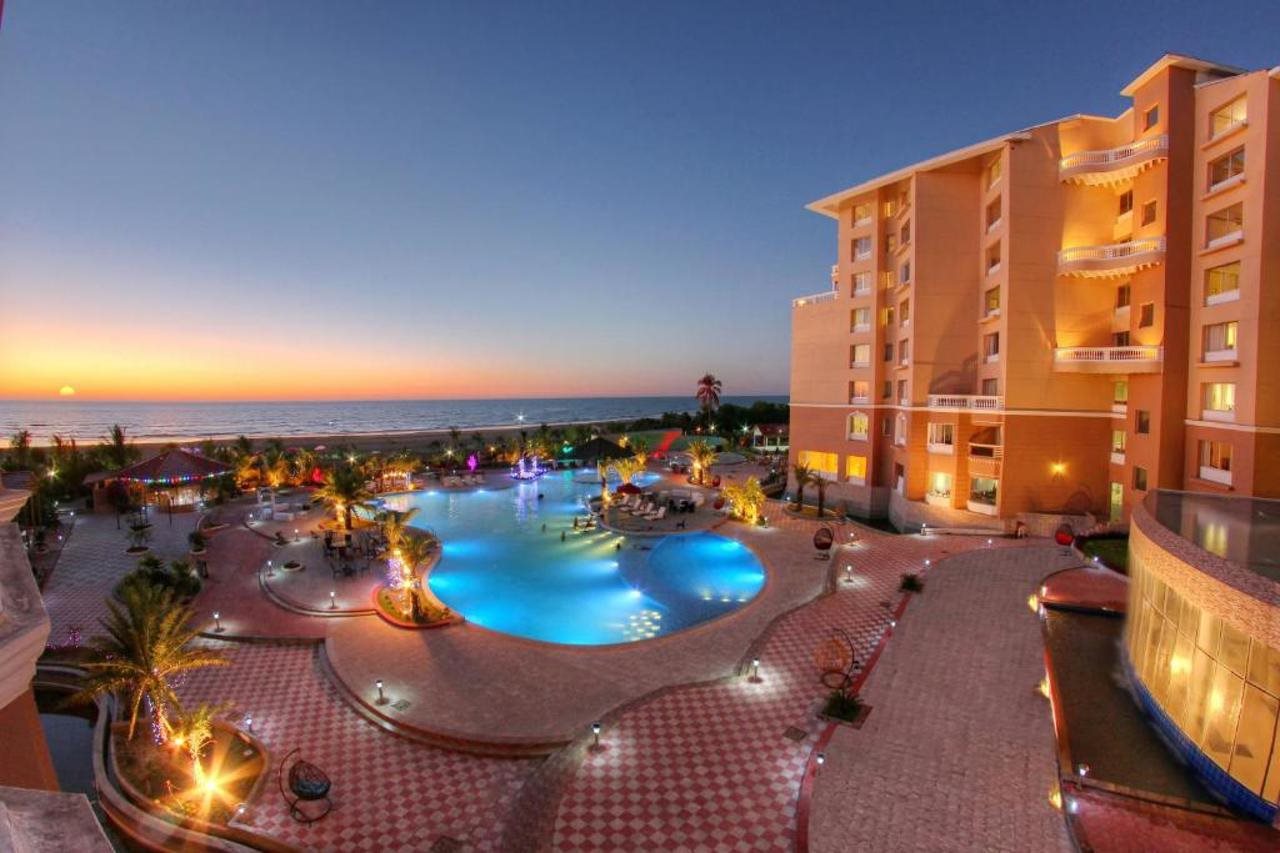
Other costs: a glass-bottom boat ride (1,000–1,500 taka, US$9–14 per person) and snorkelling gear rental (300–500 taka, US$3–5). Bicycles rent for 200–300 taka (US$2–3) per day. The island has no ATMs, so bring enough cash from Cox's Bazar. A typical 2-night trip from Cox's Bazar, including transport, food, and a basic room, costs around 6,000–9,000 taka (US$55–82) per person. That is not a budget trip by Bangladeshi standards, but it is far cheaper than a resort stay on the mainland. If you want comfort, skip St Martin's and spend the money on a Cox's Bazar hotel with a pool.
What to do (and what to skip) once you're there
The island is small — you can cycle its length in 30 minutes. The main beach on the west side, near the jetty, is where boats land and where most guesthouses are. It is busy during the day but quiet at night. Walk 20 minutes north to the quieter, rockier shore and the small fishing hamlet. The southern tip, Chhera Dwip, is a separate islet connected by a sandbar at low tide; locals offer boat rides there (500–800 taka, US$4.50–7.50) but only in calm conditions. The coral is mostly dead, so manage your expectations for snorkelling. The real pleasure is the slow pace, the stars, and the fresh fish.
Skip the aggressive touts selling 'coral jewellery' — most are shells or imported plastic. Also skip the sunset boat tours that promise dolphins; sightings are rare and the boats are crowded. Instead, walk to the west beach for sunset, which is free and better. For food, eat at the small kitchens attached to guesthouses rather than the few 'tourist restaurants' near the jetty, which are overpriced. Bring a torch, toilet paper, and a power bank; infrastructure is minimal. If you need alcohol, Wi-Fi, or a comfortable bed, this trip is not for you. But for a raw, quiet escape, it is unmatched.
How to book and the decision
Book your boat and room through a Cox's Bazar agent or your hotel at least a week ahead in peak season. Reputable agencies include those based in Kolatoli or Sugandha Beach areas; ask for names and check recent reviews. A package (transport from Cox's Bazar, boat, one night's stay, meals) typically costs 5,000–8,000 taka (US$46–73) per person. Avoid packages that promise 'luxury' — they do not exist on the island. Confirm the return boat time the day before departure, and keep a buffer day in Cox's Bazar in case of cancellation. The sea is the boss here.
My verdict: go if you have 3 spare days, a tolerance for basic conditions, and travel between mid-November and mid-March. Do not go if you are short on time, need comfort, or are visiting between April and October. The trip is not impossible then, but it is unreliable and often cancelled. For most travellers, one night on St Martin's is enough — two if you really want to unwind. And always remember: the island is a conservative Muslim community, not a resort. Respect that, and you will have a memorable, honest trip.
Questions, answered
Hotels in Cox’s Bazar
See all stays →Curated picks are coming — meanwhile, the live search covers every bookable property at the same price or better.