Buses and microbuses: the default choice
Pekua sits on the Chittagong–Cox's Bazar highway, about 25 kilometres north of Cox's Bazar town. Buses and microbuses bound for Cox's Bazar pass through Pekua throughout the day, typically every 20 to 30 minutes from around 6am to 7pm. The journey takes 40 to 60 minutes depending on traffic at Chakaria and Ramu. Fares are set locally and are inexpensive. Board at the Pekua bus stand on the highway rather than flagging down vehicles on the curve, where there is little hard shoulder.
Microbuses are faster and stop less often, but they fill up quickly and luggage space is tight. For a visitor with a suitcase, a regular bus with a luggage hold underneath is the calmer option. Late afternoon services can be crowded with commuters, so aim to travel before 3pm. If you are heading to a hotel in Kolatoli or Sugandha, ask the conductor to drop you near the Kalatali circle rather than at the main bus terminal, which is two kilometres further from the beach.
CNG auto-rickshaws and private cars
CNG auto-rickshaws are available in Pekua for the full run to Cox's Bazar town, but they are best for two or three passengers with light bags. The ride is breezy and direct, taking about 45 minutes. Agree the fare before you set off. For groups or anyone carrying surfboards or dive gear, a private car from Pekua is more comfortable; your hotel in Cox's Bazar can often arrange one if you call ahead, though rates vary by vehicle and season.
If you are arriving at Pekua from Chittagong by bus, you can stay on the same vehicle rather than switching. Most Chittagong–Cox's Bazar services stop briefly in Pekua, so buy a through ticket at the start. The highway is busy with trucks in the late morning; a departure before 8am or after 4pm is smoother. Avoid the Friday afternoon rush when Dhaka weekenders head south.
Where to stay in Cox's Bazar town
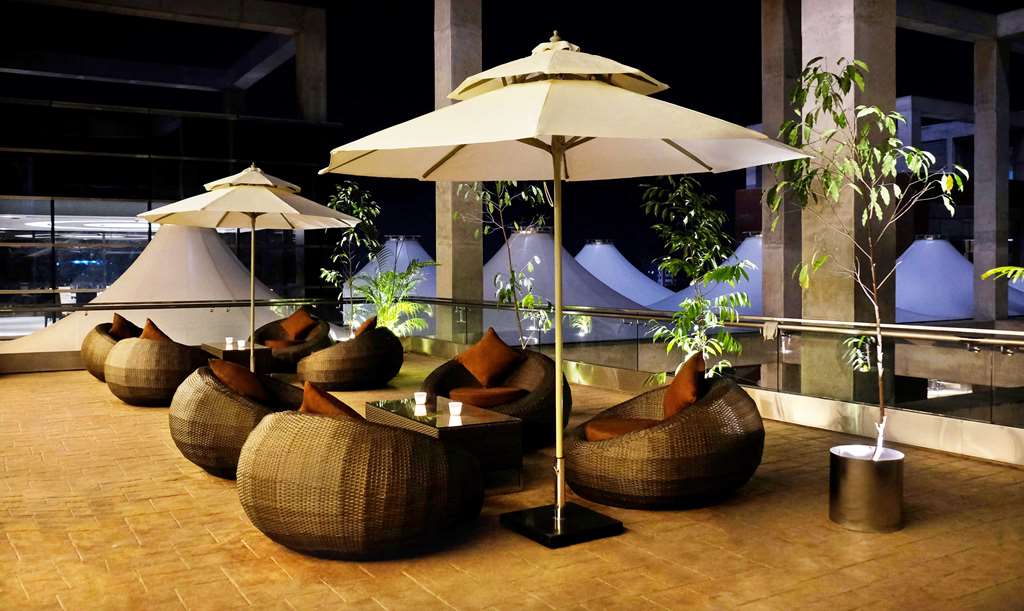
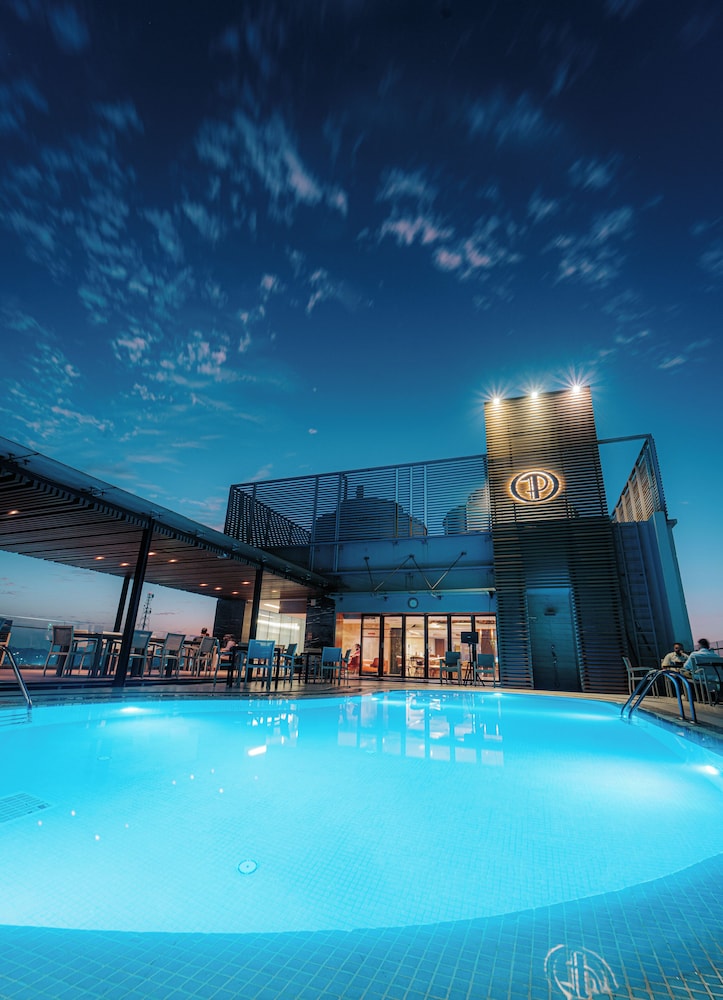
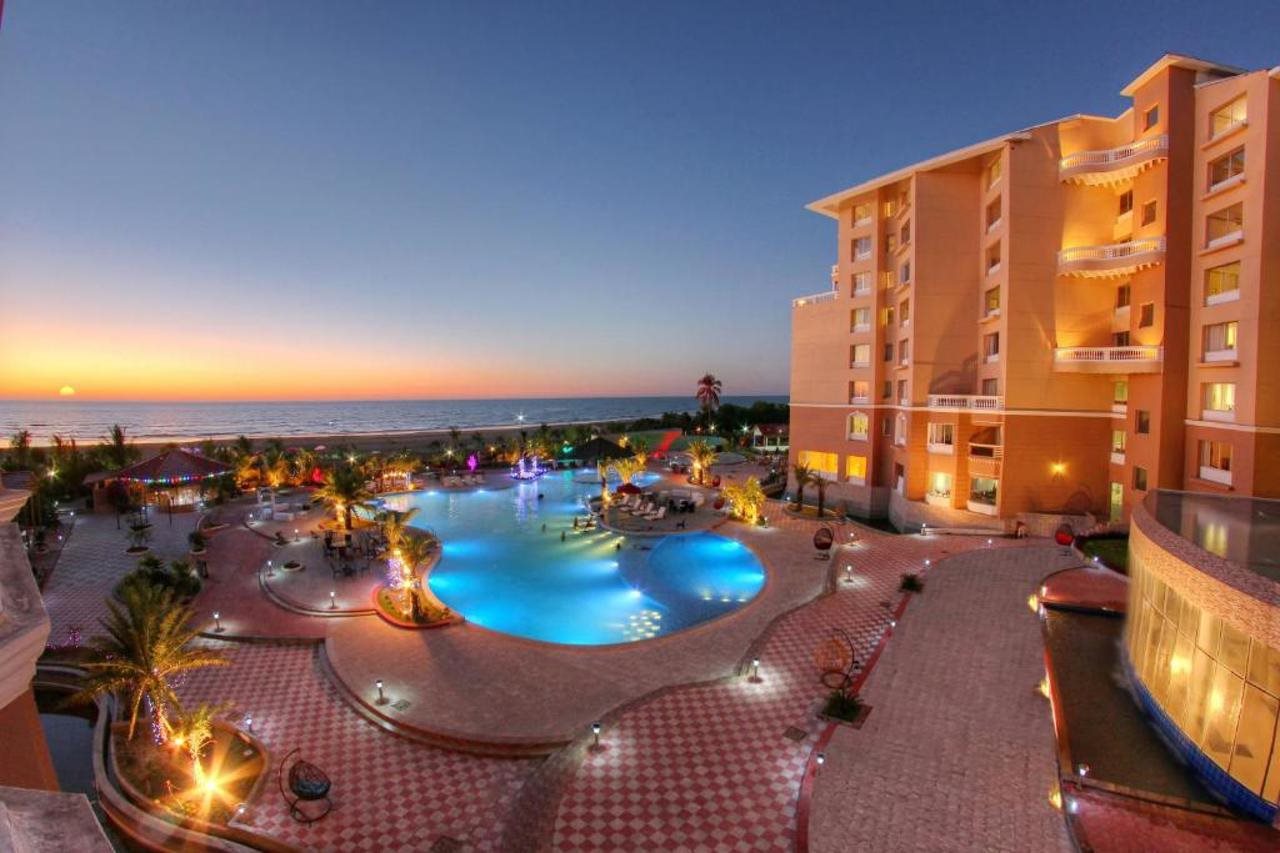
Cox's Bazar town stretches along the beach from Kolatoli in the north to Sugandha in the south. Kolatoli is closest to the main beach access and the bus terminal, with a dense cluster of mid-range hotels and guesthouses. Sugandha is quieter, nearer the fish market and the Burmese market, and suits travellers who want to walk to local restaurants. The area around Laboni Beach is the busiest and most commercial, with the widest choice of hotels but also the most noise at weekends.
For a first visit, I would book in Kolatoli within a five-minute walk of the beach, where you can step out for a morning swim before the day-trippers arrive. If you prefer a calmer base with easy access to the town's tea stalls and bakeries, Sugandha is the better pick. Book ahead for Thursday and Friday nights, when demand from Dhaka peaks and the best-value rooms go first.
Timing, seasons and what to skip
The dry season from November to March is the most comfortable for this journey: the highway is dry, temperatures are mild and the beach is at its best. The monsoon months of June to September bring heavy rain and occasional road flooding near Chakaria, which can stretch the trip to two hours or more. If you travel then, allow a buffer and avoid the last buses of the day.
Skip the temptation to take an unlicensed local taxi from Pekua; stick to marked buses, microbuses or CNGs arranged through your hotel. Also skip the souvenir stalls clustered at the bus terminal—the Burmese market in town has better prices and a wider range. Allow 90 minutes door to door from Pekua to a Kolatoli hotel, including the short walk from the drop-off point.
Questions, answered
Hotels in Cox’s Bazar
See all stays →Curated picks are coming — meanwhile, the live search covers every bookable property at the same price or better.