What the December-to-February Weather Actually Does
Cox's Bāzār in winter is warm by day and mild at night, and the sea breeze that makes the afternoons bearable also makes the evenings feel cooler than the thermometer suggests. Days in December and January typically sit in the high twenties Celsius, dropping to around fifteen to eighteen after dark. Rain is rare, so you can leave the heavy raincoat at home, but the wind off the Bay of Bengal picks up in the afternoon, which is why a light layer matters more than most people expect when they pack.
Pack two or three light cotton shirts or kurtas, one long-sleeve layer for the evening, and loose trousers or a modest skirt that cover the knees. Bangladeshi beach culture is conservative away from the sand, and you will feel more comfortable walking through Kolatoli and Sugandha than in shorts. Bring one set of smarter clothes if you plan to eat at a hotel restaurant. A wide-brim hat, sunglasses and a light scarf for sun and dust round it out.
Footwear, Beach Gear and the Sand Problem
The beach at Cox's Bāzār is flat and firm near the water, so sandals or quick-dry shoes work for most of a day; bring one pair of closed shoes for the bus or car journey and for Laboni Point, where broken shells and litter make bare feet unpleasant. A dry bag or a zip-lock pouch for your phone is worth the small cost, because the surf at Sugandha and Kolatoli is stronger than it looks and spray reaches well up the sand. Reef-safe sunscreen is hard to find locally, so bring it.
Skip the snorkel and fins. Cox's Bāzār is a walking and swimming beach, not a reef destination, and the water is often too rough for fins to be useful. If you plan a day trip to Himchari or Inani, add a small daypack and a refillable water bottle; the road south has few shops. A power bank is genuinely useful, as load-shedding still happens in parts of town, and hotel generators do not always cover every socket.
Health Kit and the Things People Forget
Bring oral rehydration salts, a simple anti-diarrhoeal, plasters and a mosquito repellent with DEET for the evenings near the hills and the hotel gardens. Tap water in Cox's Bāzār is not for drinking; bottled water is widely available, but a filter bottle saves plastic and money over a week. If you take prescription medicine, bring it in original packaging with a copy of the prescription, as pharmacies in town stock common items but not everything.
The forgotten items are usually practical: a small torch for power cuts, a universal adapter for the three-pin sockets in older hotels, and a laundry bag, because humid air means swimwear and towels do not dry overnight on a balcony. A lightweight rain shell is not needed in winter but is worth having if you travel in late February, when the first pre-monsoon showers can appear. Cash is still king at the fish stalls and small restaurants near the beach.
Where to Stay and What to Book
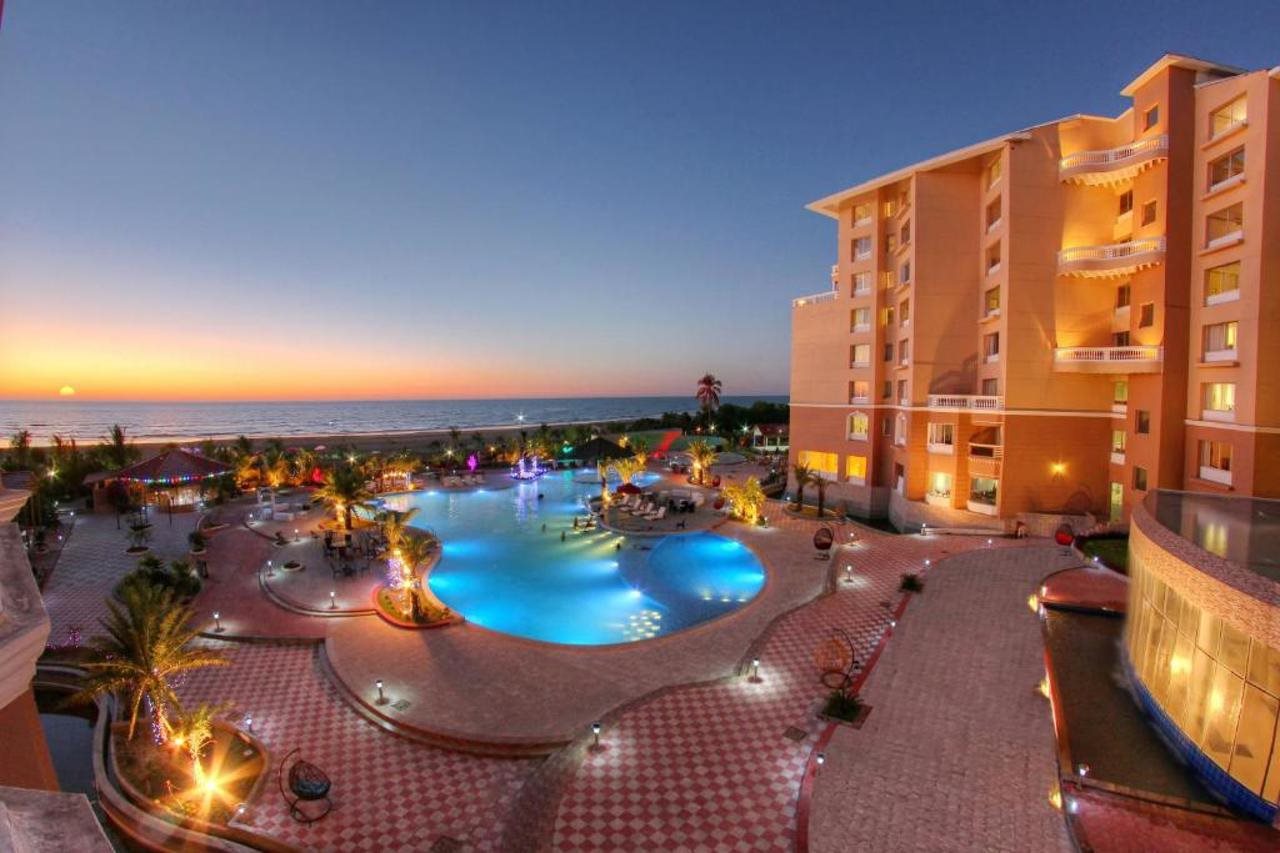
For a winter trip, book early and pick your stretch of beach deliberately. Kolatoli and Sugandha have the densest cluster of mid-range hotels, walkable to the main beach access points and close to the bus stands for the journey back to Dhaka or Chittagong. Laboni Point is livelier and closer to the seafood stalls but noisier at night. If you want quieter mornings, look at hotels a little south toward Kalatali, where the beach widens and the crowds thin without losing easy access to restaurants.
Book a room with air conditioning even in winter, because the humidity in a sea-facing room is real, and confirm whether the hotel provides airport or bus-stand pickup, as the last stretch of the Cox's Bāzār–Chittagong highway can be slow in the evening. I would choose a mid-range hotel in Kolatoli over a beachfront premium property, since you will spend most of the day on the sand anyway. Check cancellation terms carefully, as winter weekends fill up fast and policies tighten in December.
Questions, answered
Hotels in Cox’s Bazar
See all stays →Curated picks are coming — meanwhile, the live search covers every bookable property at the same price or better.