Morning: Start with Fuel for the Beach
Begin at the Kolatoli Circle, where the main road meets the beach access path. Just north of the circle, several small tea stalls open by 6:30 am, serving strong milk tea and puffed rice. For a proper breakfast, walk five minutes east along Kolatoli Road to the cluster of local eateries near the Hotel Sea Palace. Here you'll find parathas with egg or dal for around 30–50 taka, and sweet yogurt from nearby shops. Eat light—you'll want room for the rest of the day.
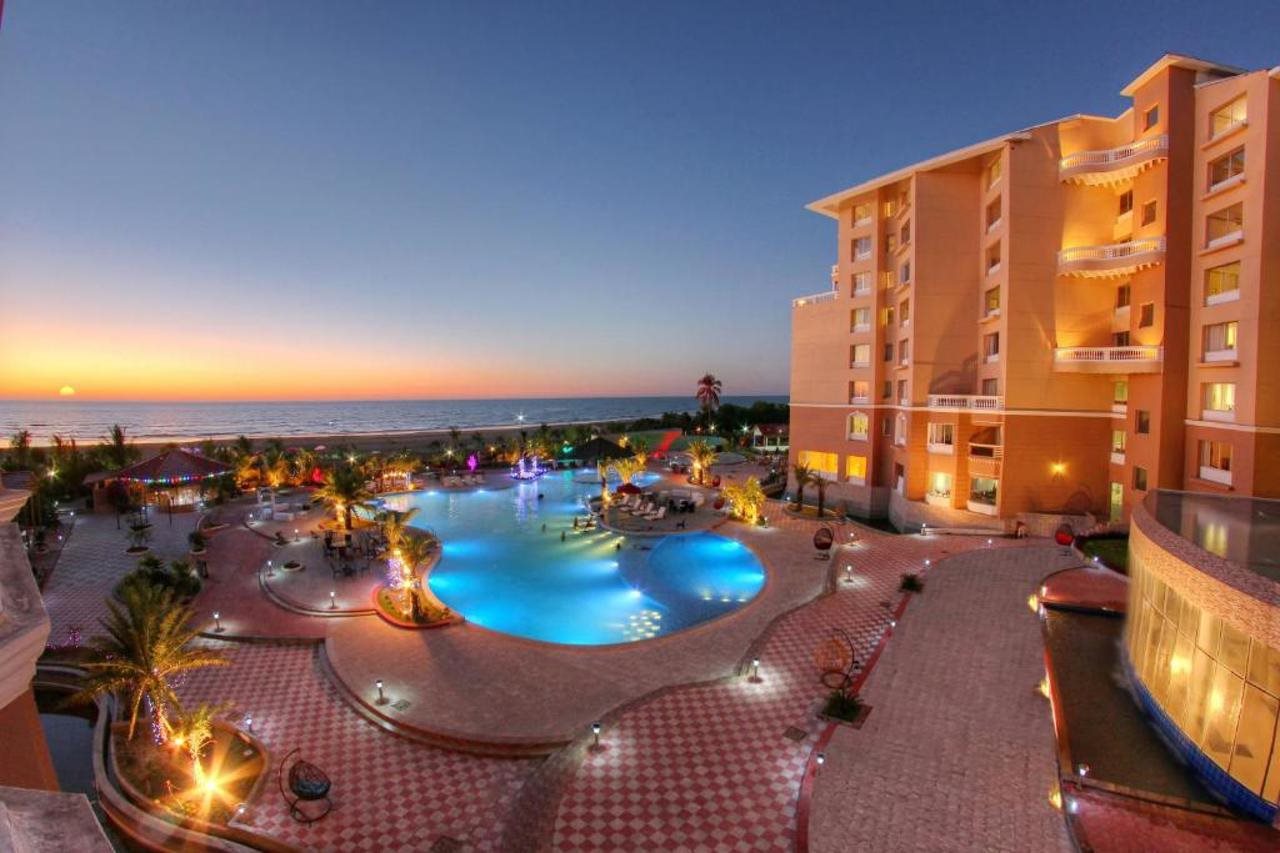
If you prefer a sit-down meal, the restaurants inside the large hotels on Marine Drive Drive offer buffet breakfasts, but you'll pay 300–500 taka. I'd skip those and save your appetite for the street food. The local stalls are where the flavour is, and they're perfectly safe for most travellers. Just make sure the food is hot and freshly cooked.
Midday: Seafood and Staples Near the Beach
By noon, head west along the beach towards the fish drying yards. The restaurants here—simple bamboo structures with plastic chairs—serve some of the freshest seafood in town. A plate of grilled rupchanda (pomfret) or coral fish with rice and dal costs around 250–400 taka. Look for places with a crowd of locals; that's your best sign of quality. The seafood is usually caught the same morning.
For a non-seafood option, try the biryani stalls near the Kolatoli bus stand. A generous plate of chicken biryani sets you back about 150–200 taka. It's hearty and flavourful, though the heat level can be high—ask for less chilli if you're sensitive. Avoid the Western-style fast food places that have sprung up recently; they're overpriced and nothing special. Stick to the local fare.
Afternoon: Snacks and Sweets Along the Main Road
As the afternoon heat peaks, take shelter in one of the small cafes along Kolatoli Main Road. Many serve cold drinks like lemon tea or borhani (a yogurt drink) for 30–50 taka. Pair it with a plate of piyaju (lentil fritters) or beguni (battered eggplant) from a nearby vendor. These are fried fresh and cost about 20–30 taka for a small plate. It's a perfect pick-me-up before the evening.
For something sweeter, look for the shops selling chomchom or roshogolla. A box of four pieces costs around 60–80 taka. The quality varies, so choose a shop with a steady stream of customers. If you're feeling adventurous, try the local specialty, shondesh, made from fresh milk. It's rich and not too sweet. I'd recommend the small shop opposite the Kolatoli Government Primary School—it's been there for years and the sweets are always fresh.
Evening: Dinner and a Stroll by the Sea
As the sun sets, the beachside restaurants light up. This is the best time to enjoy a full meal. For grilled fish, head to the shacks near the lifeguard tower; a whole fish with salad and rice costs around 300–500 taka depending on size. Vegetarians can find mixed vegetable curries and dal for about 150–200 taka. The atmosphere is relaxed, with the sound of the waves in the background. It's worth the slightly higher prices.
After dinner, take a walk along the beach or browse the stalls selling local handicrafts. If you're still hungry, grab a cone of ice cream from one of the vendors near the circle for 30–50 taka. For a nightcap, the tea stalls are still open, serving their last cups until around 10 pm. I'd book a hotel within walking distance of Kolatoli Circle—like the ones on Hotel Motel Road—so you can roll back to your room after a satisfying food walk.
Questions, answered
Hotels in Cox’s Bazar
See all stays →Curated picks are coming — meanwhile, the live search covers every bookable property at the same price or better.